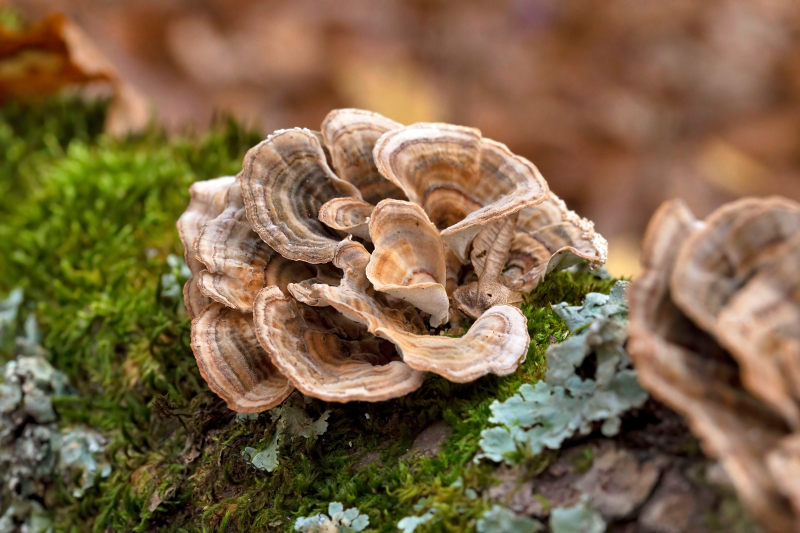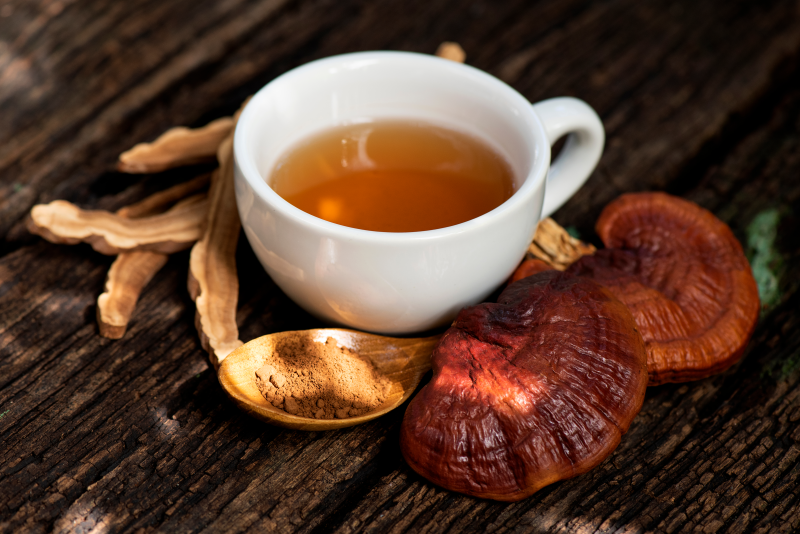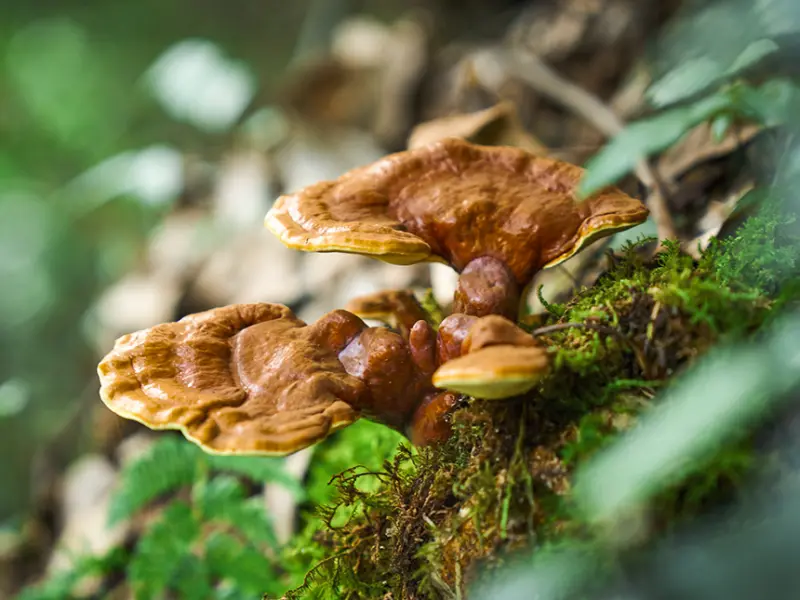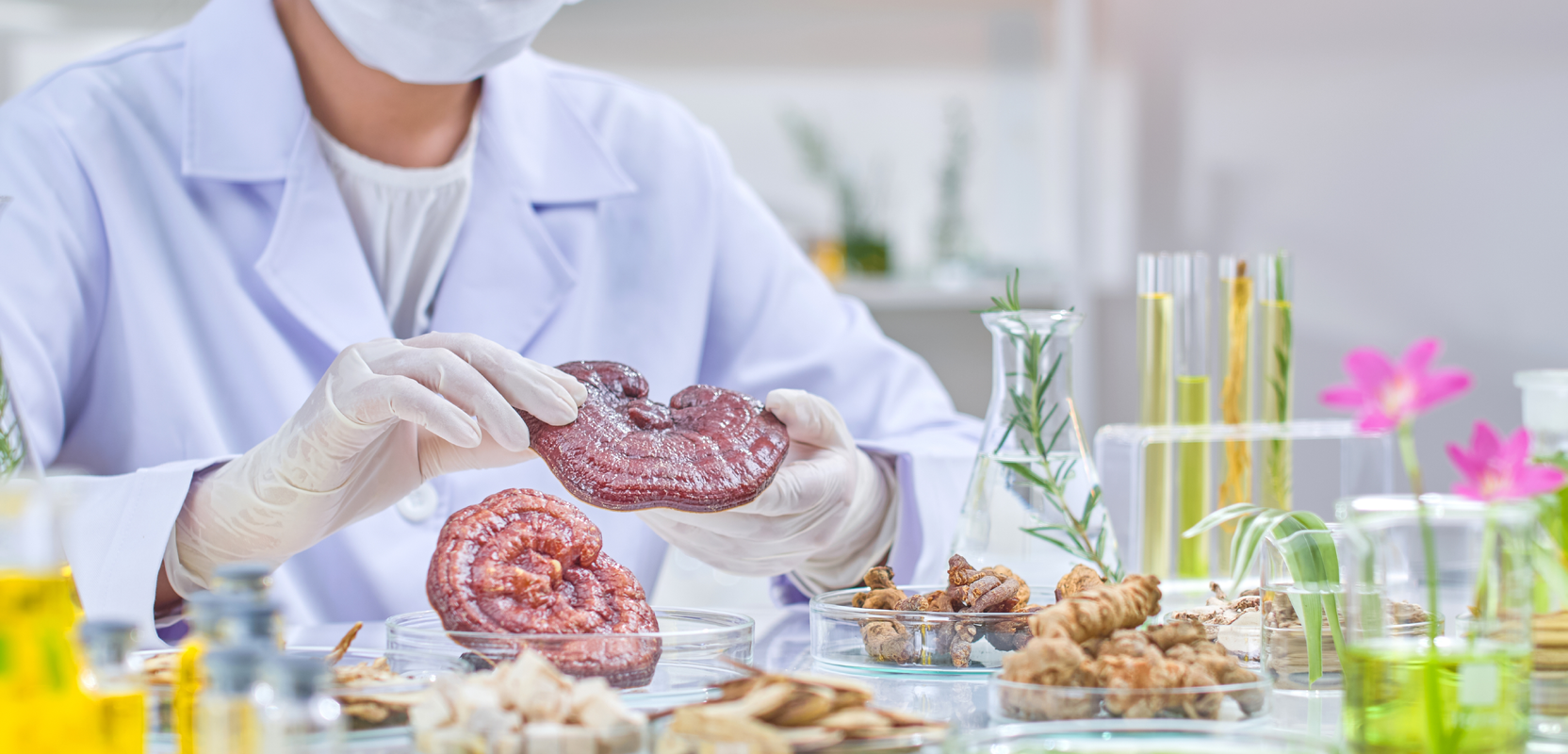



I encounter this question in my practice quite regularly. Women battling breast cancer are sometimes afraid to use Reishi. The reason? Fear that the mushroom acts like oestrogen and "feeds" the tumour, or concern that it will block the effect of Tamoxifen. I have 15 years of experience showing that this combination works and is safe. Now let us look at what current science has to say about it.
Breast cancer is a complex disease and the fear of doing harm to the treatment is completely natural. A simplified equation often circulates in internet discussions: Reishi = phytooestrogen = risk for hormone-dependent tumours.
However, the reality is much more complex and the data show that this equation does not hold true.
This is the most common misconception. The assumption that every natural substance capable of modulating hormones functions in the same way as human oestrogen is incorrect.
Studies on cells of hormone-dependent breast carcinoma (the so-called MCF-7 line, which have oestrogen receptors) have shown the exact opposite. In these tests, Reishi did not function as a growth stimulator. On the contrary. Reishi extract was able to reduce the proliferation (division) of these cells and acted against growth driven by oestrogen.
Expert reviews (e.g., International Journal of Molecular Sciences) even rate Reishi as "strongly recommended" (+++) for hormone-dependent breast tumours. The reason is that the main active substances – polysaccharides and triterpenes – do not trigger a hormonal cascade, but rather suppress the invasiveness of the tumour and limit the formation of new blood vessels that nourish the tumour.
Verdict: Reishi does not "feed" tumours. Its mechanism is different and is aimed at suppressing tumour growth, not supporting it.
Tamoxifen is a drug that blocks oestrogen receptors. Patients' concerns stem from the possibility that Reishi might affect the liver enzymes (cytochromes) that process this drug, thereby reducing its effectiveness.
However, research focused directly on the interaction between Reishi and Tamoxifen has yielded surprising results. In laboratory conditions (in vitro), an ether extract of Reishi increased the anti-proliferative effect of Tamoxifen. In other words: the combination of the mushroom and the drug inhibited the multiplication of tumour cells more effectively than the drug alone.
While for some other substances (e.g. grapefruit) the influence on drug metabolism is a proven risk, there is no evidence that Reishi reduces the level of the active substance of Tamoxifen in the blood.
Verdict: Current science offers no evidence that Reishi would prevent Tamoxifen from working. On the contrary, there are indications of a synergistic (supportive) effect.
For women with a BRCA1 or BRCA2 mutation, the problem is that their cells cannot correctly repair damaged DNA. Some types of chemotherapy (e.g., platinum derivatives) take advantage of this by damaging the tumour DNA to such an extent that the cell dies.
Here, Reishi plays an important role as a "helper":
Increased sensitivity to treatment: Studies show that Reishi can increase the sensitivity of tumour cells specifically to platinum cytostatics (carboplatin), which are often used for BRCA tumours.
Immunity: BRCA tumours tend to be aggressive. Reishi has been proven to stimulate cytotoxic T-lymphocytes (CD8+), which are immune system cells tasked with finding and destroying tumour cells.
Mental health and fatigue: Treatment is demanding. Clinical data confirm that patients taking Reishi (often in the form of spore powder) report significantly less fatigue (a decrease of more than 50%), less depression and a better quality of life.

After 15 years of experience and based on available studies, I dare say that these concerns are unnecessary. If the Reishi is of high quality (e.g. Reishi PRO) and is used in the correct way (ideally in combination with Coriolus PRO and Maitake PRO, or even Curcumin and Acerola, which complement each other in their effects), it becomes a powerful ally for breast cancer patients (including BRCA+ and those on Tamoxifen), not an enemy.

Subscribe to our newsletter and you won't miss any promotions or important information