


The immune system acts like an army, and its individual components protect us from the invasion of external intruders. Nowadays, doctors and scientists are finding more and more connections between the immune system and the development of many diverse diseases.
It is not just about diseases caused by attacks from external pathogens, such as viruses, bacteria, chlamydia, toxins, etc., but also about diseases caused by an inappropriately reacting immune system. These are primarily allergies, where the immune system evaluates a completely harmless external stimulus, e.g. pollen, as a foreign substance that must be fought. And so it triggers an inappropriately vigorous immune response. Another problem is if our immune system starts to evaluate our own harmless cells as enemies and begins to gradually eliminate them. This is how autoimmune diseases manifest. From these autoimmune reactions, a hypersensitivity similar to allergies is gradually built up, where the immune system reacts to various substances that it should overlook and attacks parts of our organism. Immune system problems are therefore the deeper cause of a whole range of diseases: psoriasis, Crohn's disease, rheumatoid arthritis, scleroderma, thyroid inflammation, type 1 diabetes and many others.
According to traditional Chinese medicine, all diseases are merely a disharmony of Yin and Yang in our organism. As far as the immune system is concerned, it is mainly three organs that are responsible for it: the Spleen, the Kidneys and the Lungs. The Spleen creates fuel (Qi energy and blood) for everyday life. In the Kidneys, energy and essence that we inherit from our ancestors are stored. The Lungs regulate the pores on the skin and thus prevent the invasion of external pathogens.
A person with a weakened Spleen is often tired, which worsens after eating; they may be pale, suffer from a lack of appetite, or have various cravings (especially for sweets), and often suffer from bloating and soft stools. They frequently ruminate excessively.
If they have a weakened Kidney Yang, they are often tired, pale, sensitive to cold, have cold extremities, urinary problems, and a loss of libido. If there is a deficiency of Kidney Yin, there are various manifestations of weakness, night sweats, hot flushes, or fertility problems.
Weakness of the Lungs can manifest as shortness of breath, a cough, a reluctance to speak or a weak voice, tearfulness, or a tendency towards sadness.
There are several general rules:
In the case of a weakened immune system, focus your diet on strengthening Spleen Qi.
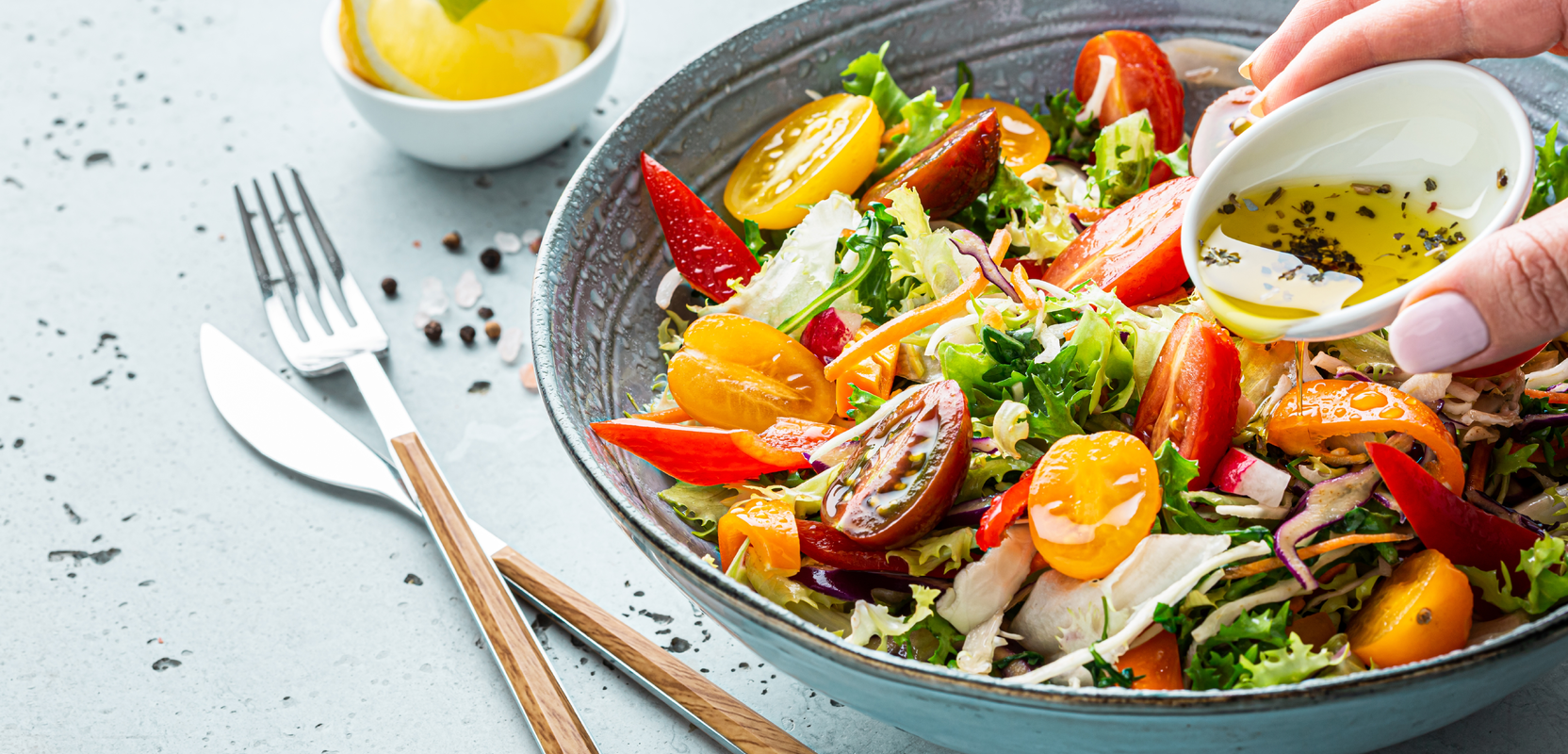
A diet designed to strengthen Spleen Qi places emphasis on tasty, simple meals consisting of a relatively small number of ingredients. The basis of this diet is complex carbohydrates supplemented with a small amount of high-quality proteins and lightly cooked vegetables. To obtain the highest quality Qi from food, the meals themselves must be fresh and full of life, and they must please not only the tongue but also the eye. Locally grown seasonal foods have the best Qi.
Although every meal should be heat-treated, we do not recommend unnecessary overcooking to a mushy consistency. Depending on the type of food, light boiling is usually sufficient, after which the food remains at least slightly crunchy. Leafy and tender vegetables, such as broccoli or beans, only need to be lightly boiled, while root vegetables and grains retain their shape, structure, and Qi even after long, slow cooking.
The process of digesting food begins in the mouth, so food must be thoroughly chewed and slowly savoured. A person must enjoy their meal. Strict or monotonous diets harm the Spleen.
The preparation process itself can have a significant impact on the overall quality of Qi and the beneficial effects of the food. It goes without saying that dishes prepared with love and pleasure taste better than those purchased in shops or prepared in a hurry or with reluctance. This is often the stumbling block, as not everyone likes to cook or has the time for it. However, dedicating time and effort to one's own nutrition is in itself an important part of the healing process. You can actively participate in strengthening the Spleen yourself by setting aside time on weekends to prepare thick and nutritious soups, vegetable and meat broths, and juices from stewed meat and vegetables.

Neutral or warm sweet flavours:
Pungent flavours (in small quantities):
Complex sweet flavours (in small quantities):
Uncooked and raw foods of a cooling nature:
Dampness-retaining and dampness-creating:
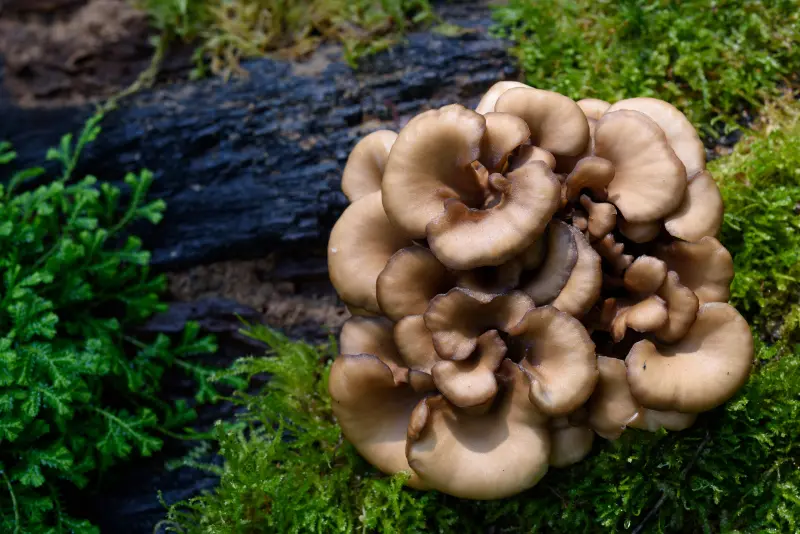
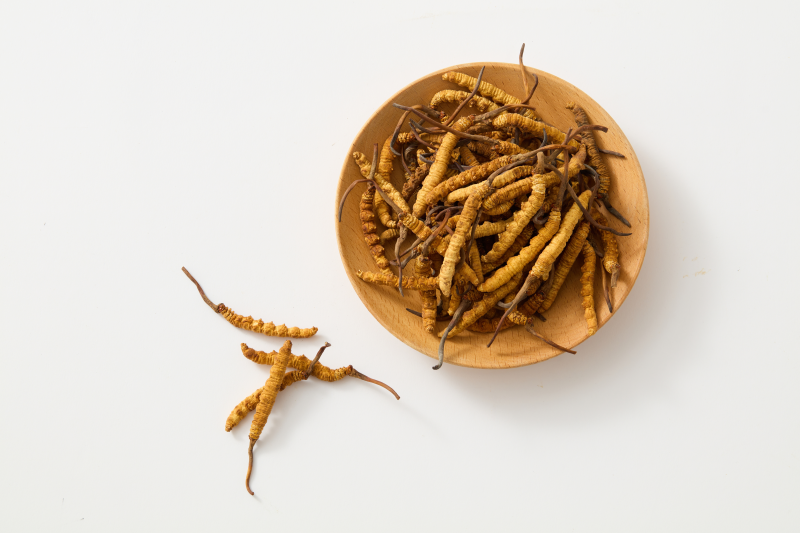
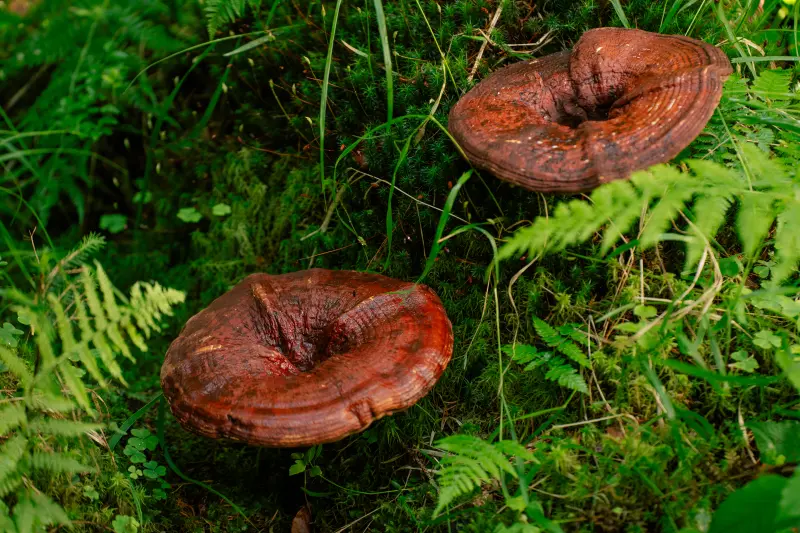
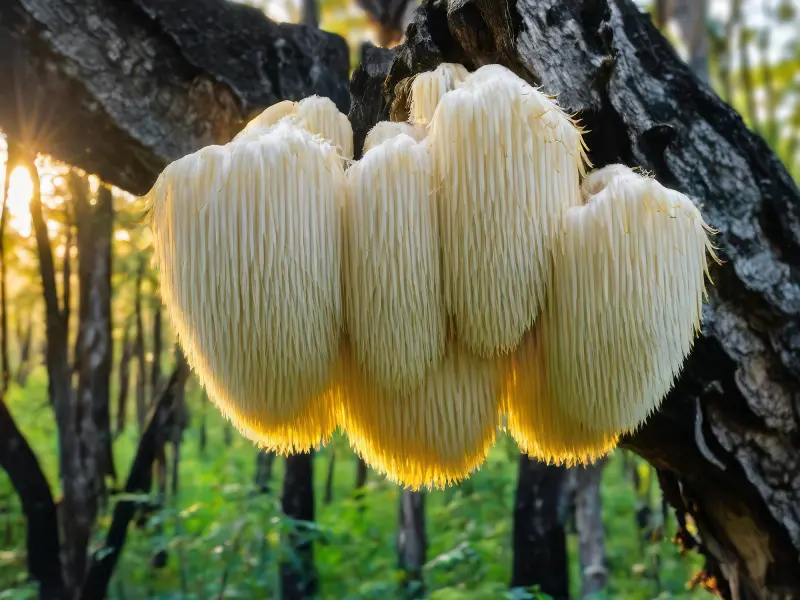
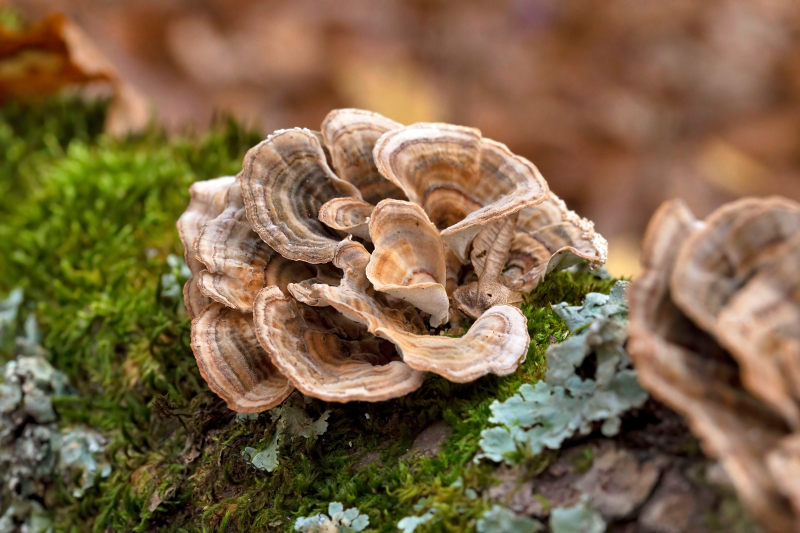
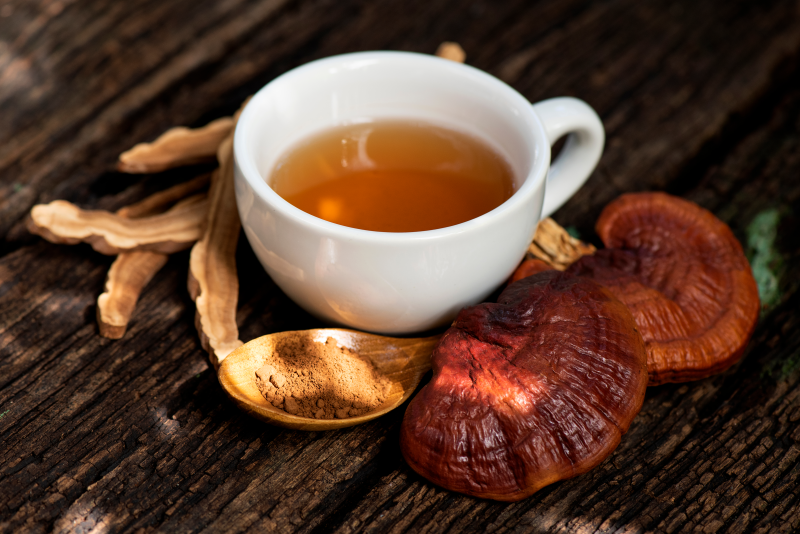
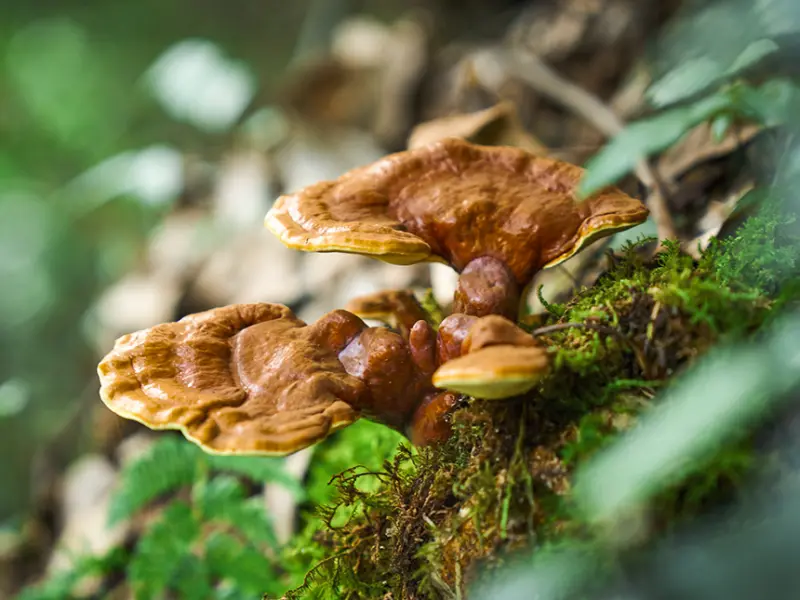
Special attention should be paid to vital mushrooms in cases of weakened or overactive immunity. These include Cordyceps, Agaricus, Reishi, Shiitake, Maitake, Coprinus, Hericium or the Japanese Enoki. In addition to strengthening a weakened immune system, they are also able to regulate it if its response is disproportionate. In the form of 30% extracts, their effects are used today mainly for oncological problems. They are used as complementary treatment for chemotherapy or radiotherapy.

Subscribe to our newsletter and you won't miss any promotions or important information