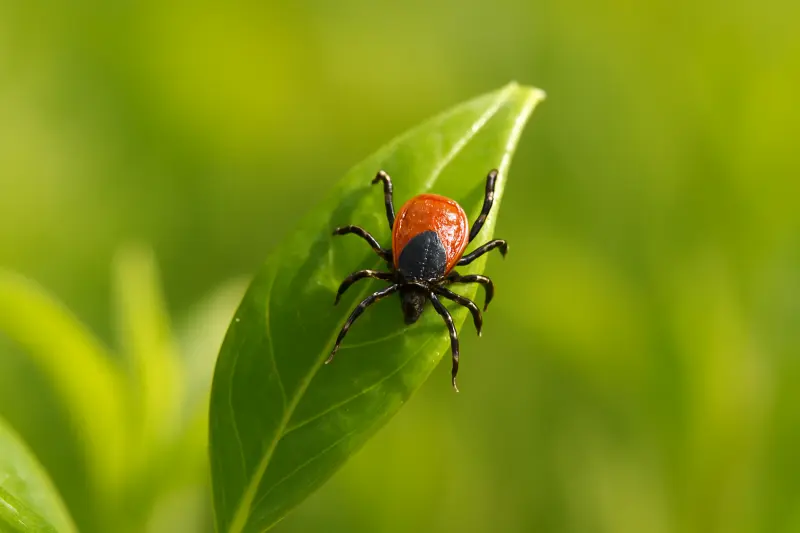



If we consider the causes of illness according to Chinese medicine in general, we can divide them into two groups: external and internal causes. External causes include the invasion of external disruptors such as wind, cold, heat, dampness, dryness or fire. In the words of Western medicine – viruses, bacteria, chlamydia, yeast, etc. Internal causes mainly include our emotions, the quality of our diet and the amount of physical activity (or rather inactivity).
Today we will take a closer look at influenza, which falls into the first group of external disruptors.
According to Chinese medicine, its cause is wind, which enters our organism through certain defensive layers. It is said that "wind is the carrier of a thousand diseases." It is usually combined with another disruptor – most often with cold in winter and with heat in summer.
Chinese medicine views a person as an onion composed of individual layers, each of which has its own specific defence mechanisms. The goal of an external disruptor, or pathogen, is to reach the deeper layers, settle there, and parasitise our energy. If a person is attacked by a pathogen, it must pass through several layers to reach the inside of our organism. This is its goal, because there it is safe, it can nest and drain our energy. It is difficult for a pathogen to penetrate the individual surface layers, where a sharp immune reaction occurs with the aim of neutralising any pathogen. In each section or layer, various obstacles and defence mechanisms await the pathogen, intended to prevent it from advancing further.
Most pathogens are eliminated in the surface layers of our body. On the surface, the fight against the pathogen is relatively intense. To prevent the pathogen from entering the organism at all, upon contact with it, the pores first contract, the person does not sweat, and body aches may appear. If the pathogen gets further, symptoms of a major battle begin, such as high fever, intense sweating, etc. All these mechanisms have the task of eliminating the pathogen.
The next layer is a kind of boundary between the internal and external layers, where a typical symptom is the alternating of fever and chills. However, pathogens rarely reach this far.
If we are weakened, however, the pathogen more easily reaches deeper layers, where it causes much greater damage than in the surface layers. If it advances further, the fight against the pathogen is no longer as obvious. In the deeper layers, immunity reacts to the pathogen somewhat differently than on the surface, where the fight is more intense. Pathogens that have reached the deeper layers can be the cause of a number of different chronic or lingering diseases, such as the entire group of autoimmune diseases, fatigue syndromes, or even cancer.
Our body is like a fairy tale for children. It is a constant battle between good and evil. Unfortunately, unlike in a fairy tale, good does not always win. If we are completely filled with the good, Chinese medicine says we are filled with so-called Zheng Qi (correct energy), then the enemy in the form of Xie Qi (bad energy) cannot enter the organism, because it has neither a way nor a means to do so. We could say that Zheng Qi is our immunity, but the concept of Zheng Qi is much broader; it includes everything, including our organism's ability to defend itself against external influences, the ability to adapt to external conditions, and at the same time maintain harmony within our organism and its vital force. If our Zheng Qi weakens, which is mainly caused by an unhealthy lifestyle, "empty spaces" are created in our organism, into which a pathogen can enter much more easily and begin to establish its own order. And the flu is upon us.
We cannot eliminate all pathogens around us or within us. That is merely an illusion held by people who keep trying to detoxify their bodies over and over again. It is natural that we live surrounded by pathogens, but our task is to take care of ourselves so that our organism is like a fortress and the enemy cannot penetrate us. Prevention is therefore the most important thing. We should know our bodies, know what does us good and what does not, and above all listen to them if they give us clear signals that some of our behaviour is already beyond their tolerable limit. We should look at the quality of our diet – what we eat, in what form and how often. We should moderate our emotions, which are an important factor in maintaining the balance of the organism. They harm us if they are excessive or suppressed. Regular exercise, rest and sufficient sleep are very important. And of course, the most important thing – the quality of relationships with other people.
But who today can live entirely in accordance with the rules of a healthy lifestyle according to Chinese medicine? Practically no one. Each of us does something wrong from time to time, and so for almost everyone, Zheng Qi is more or less weakened. And so, influenza is a fairly common and recurring illness.

Take better care of yourself. In winter, protect yourself against the invasion of cold wind by dressing warmly. If you get chilled, have some cinnamon tea immediately, which will open the pores and help expel the cold wind. In winter, eat more warm and hearty meals, such as warm soups, and avoid foods that are too cold, the prototype of which are vegetable salads.
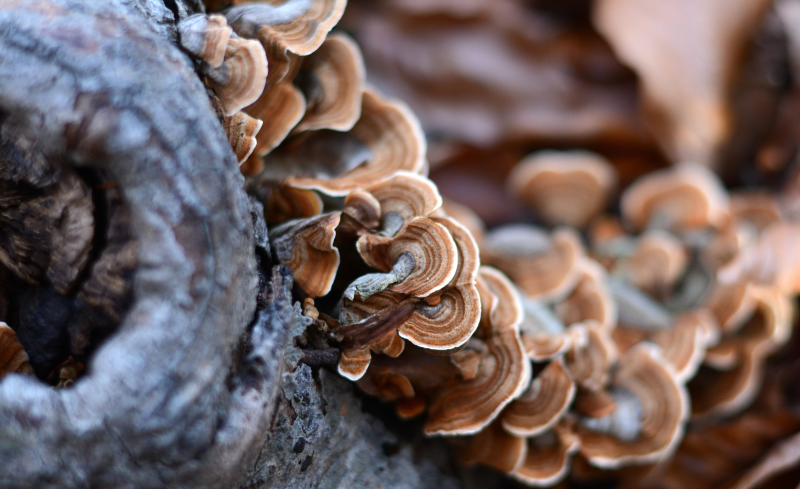
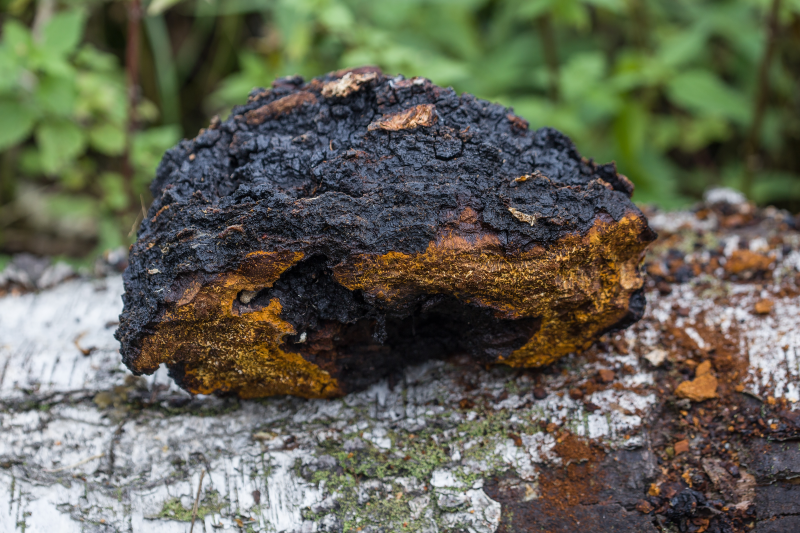
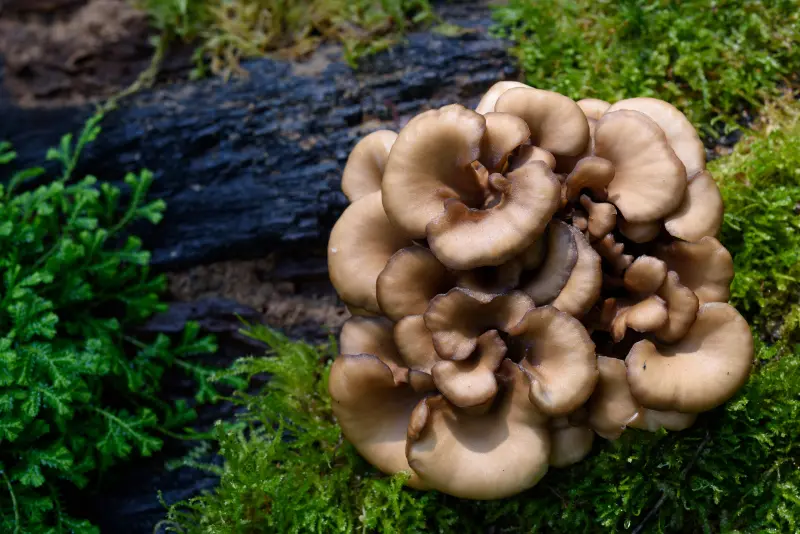
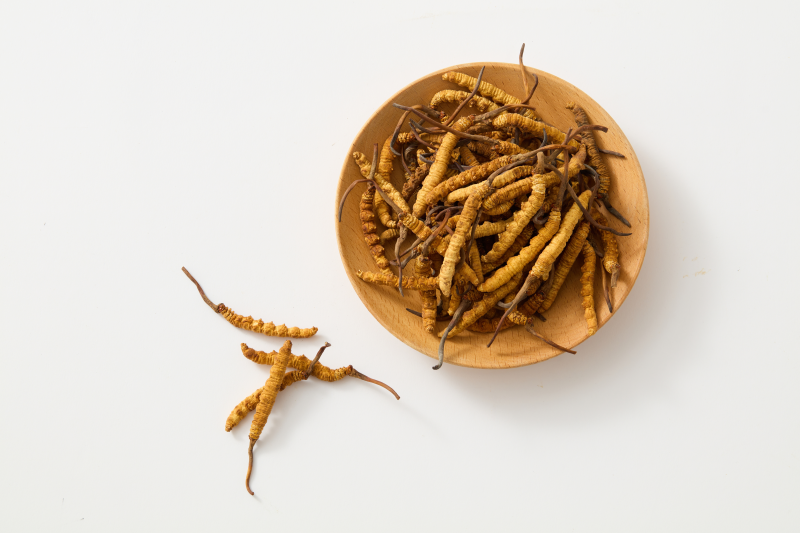
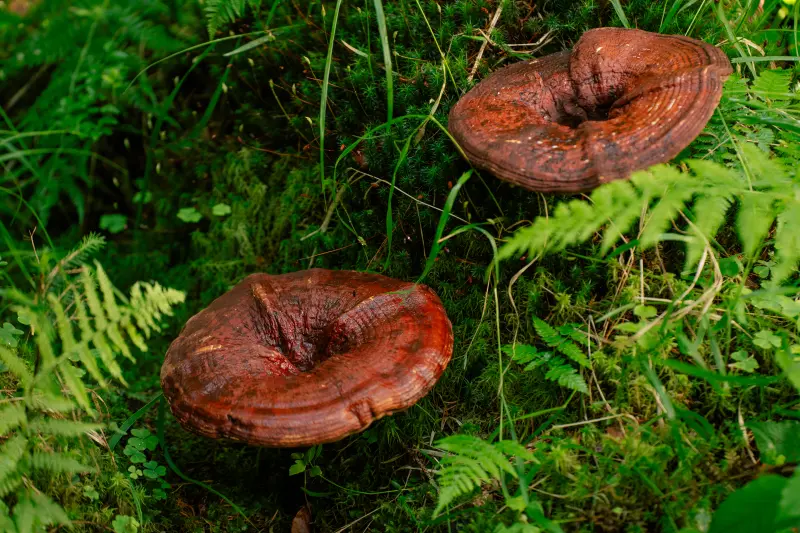
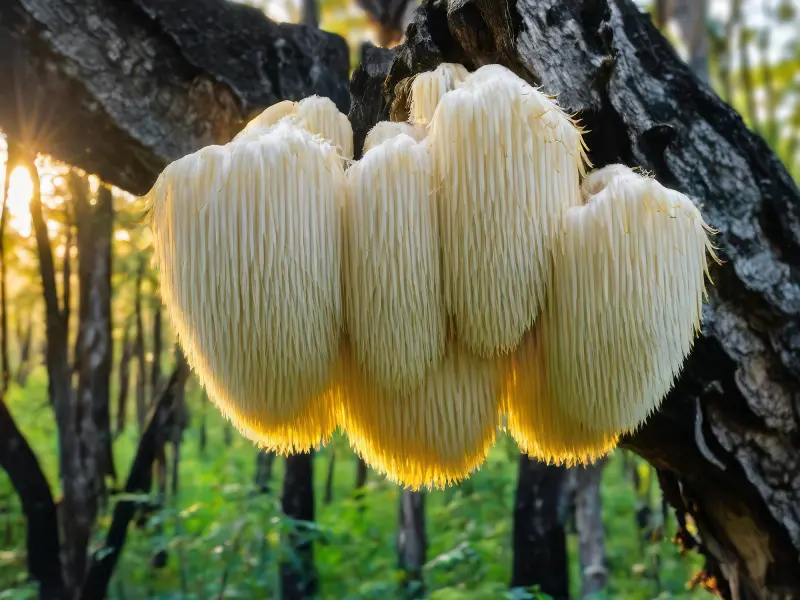
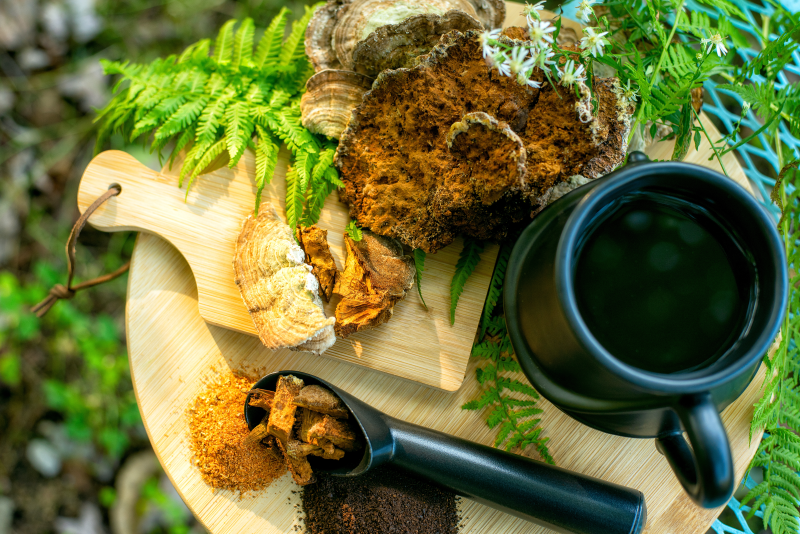
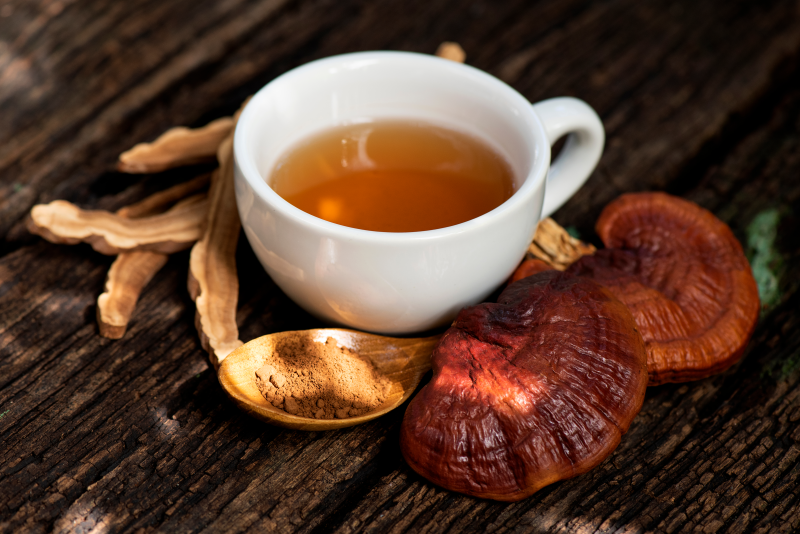
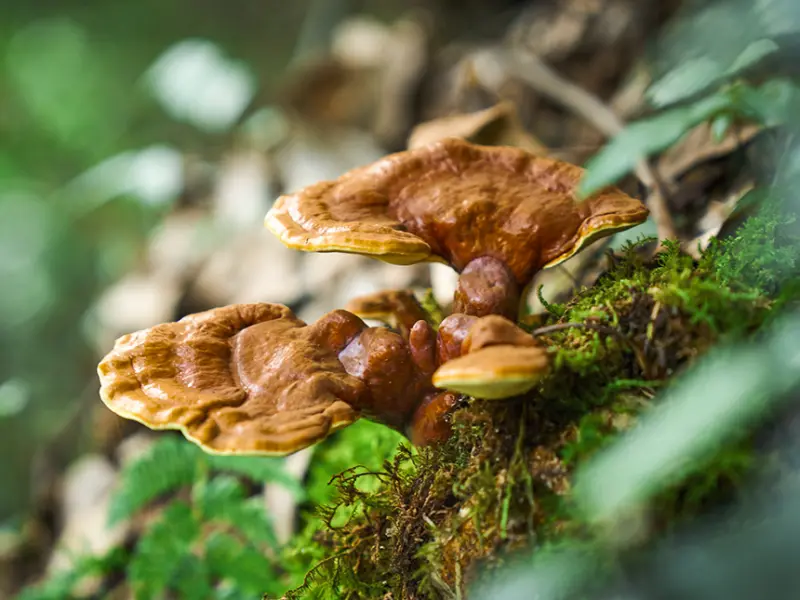
An excellent aid for the "preventive" strengthening of Zheng Qi are medicinal mushrooms. Ideally in a four-combination, which contains the mushrooms Cordyceps, Reishi, Agaricus and Shiitake. Each of the mushrooms strengthens our immunity and vitality in a slightly different way. Cordyceps stimulates the kidneys and lungs, Reishi strengthens our vitality while harmonising the psyche, Agaricus is the greatest stimulant of immunity and Shiitake harmonises the centre and digestion. Overall, they create a synergistic effect that significantly stimulates our ability to defend against the invasion of external pathogens. When taking this mixture, the flu tends to avoid a person, and if it does strike, it usually has significantly milder symptoms and a shorter course.
If we are truly very weakened, it is harder for us to defend against the flu. However, even here, Chinese medicine has certain levers, for example in the form of herbal alcohol tinctures. These tinctures are based on old traditional formulas. The combination of alcohol and herbs gives the tincture a completely different potency, which is so necessary precisely in acute conditions. It is important, however, to hit the stage where the pathogen is located as accurately as possible and to select the given tincture as targetedly as possible. The flu then does not last a week, but usually only 1–2 days.
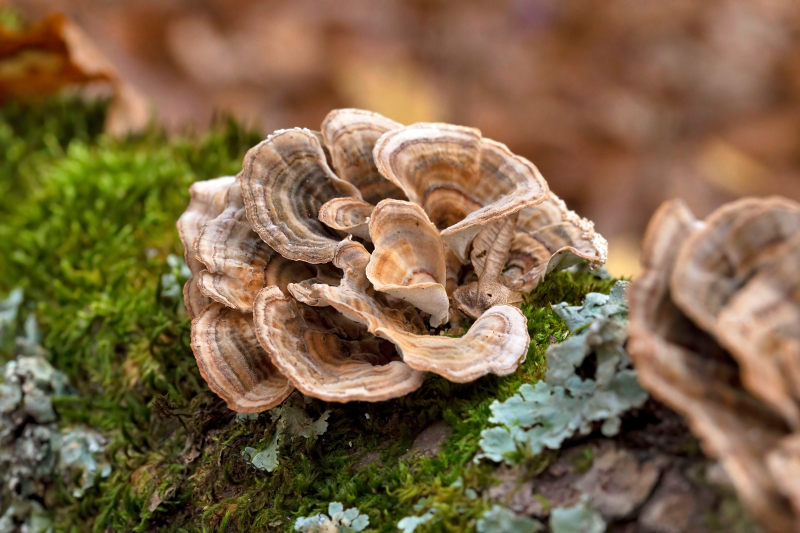
If the first symptoms of flu appear, it is good to start taking the Coriolus mushroom. In a higher dose, for example, 2 capsules 4 times a day. The immune system is stimulated in a shock-like manner and the illness usually does not break out. It depends, of course, on the strength of our organism and the strength of the specific pathogen.
If the upper layers of our organism are attacked, if we have chills, are exhausted, are not sweating, our body contracts, general body and head aches begin, and we start sneezing or blowing our nose, then the herbal blend Gui Zhi Tang is a good choice, which will warm us up, open the pores and expel the pathogen.
In the case of a sore throat during an acute attack, when the temperature starts to rise, Lian Qiao San Gen Tang is a good choice.
If more significant symptoms appear, such as a fever, we start coughing up yellow phlegm, and we are exhausted, we use the herbal blend Chuan Xin Lian Kang Yan. In case of severe joint and muscle pain, we use the blend Chai Ge Jie Ji Tang. If we have feelings of a heavy body and are swollen all over, we add the herbal blend Jiu Wei Qiang Huo Tang.
If there is a cough accompanied by yellow phlegm, the blend She Mu Tang is good, which stops the cough and clears heat and phlegm from the lungs.
If there is a severe runny nose, I recommend the herbal blend Bi Yan Wan, which clears the nasal passages and transforms phlegm.
For recovery from the flu or in protracted or recurring conditions, the very special herbal blend Xiao Chai Hu Tang is a good choice. A typical symptom is the alternating of chills and fever. I like to give it, for example, for recurring middle ear infections in children. But it is also suitable for fatigue, allergies, chronic inflammation anywhere in the body, and even for hidden pathogens.
The herbal blend Pu Ji Xiao Du Yin is no longer typical for the flu, but it is good for tonsillitis or chronic, protracted throat problems.
I am not entirely a supporter of this type of vaccination. The problem is that the pathogen in the form of a vaccine, even if weakened, bypasses all defensive layers and reaches directly into the deep layers. If our immune system is in good order, our organism can handle it. But then the question arises, do we even need this vaccination?
If our immunity is not in good order, the pathogen in the form of a vaccine can cause problems in the deep layers and trigger lingering issues. It becomes a so-called "lingering pathogen", which begins to manifest through various recurring symptoms. People usually describe it as feelings like they are coming down with the flu, but in the end, nothing comes of it. They just constantly feel strange, tired, and not like themselves.
Unfortunately, every additional vaccination lowers the state of defensive Zheng Qi and a person becomes more vulnerable. And that is not to mention that the influenza virus is a very "creative organism" and likes to transform, so it will no longer react to the vaccination. The vaccination might have worked for the influenza virus a year or two ago.

Ingredients: 3 slices of fresh ginger the size of a large coin, 5 cinnamon sticks, 1 tablespoon of honey, 1 litre of water.
Instructions: Place the ginger and cinnamon into a pot of water. Bring to the boil and let simmer for approximately 10 minutes. Then remove from the heat and leave to infuse for 20 minutes. Only then sweeten with honey. Drink the tea warm.

Subscribe to our newsletter and you won't miss any promotions or important information