

Popis obrázku
Article
publikum-znak-bck.svg
publikum-znak.svg
newsletter-bck-znak.svg
Back to the article list

Why we get ill more often in the winter season

Autumn and winter represent a stress test for our immune system every year. From the perspective of Western medicine, this is related to a higher incidence of viruses and environmental conditions – cold weather and dry air from heating irritate and weaken the mucous membranes of the respiratory tract, which then succumb more easily to viral attacks. Moreover, viruses spread easily in heated rooms, which is why up to three times as many infection agents enter our bodies in winter compared to summer. Current research even suggests that a mere 5 °C drop in nose temperature can reduce the local immune defence of the mucous membranes by up to 50%. It is no wonder that we are more susceptible to respiratory infections in the cold months.

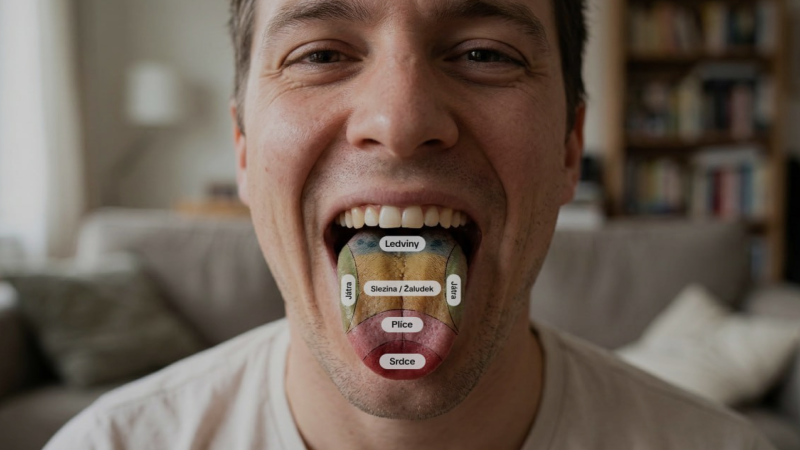
Traditional Chinese Medicine (TCM) has its own perspective on the seasonal increase in illness. It speaks of Wei Qi (defensive Qi), which is the equivalent of our immune defence on the surface of the body. In winter, it becomes weakened – cold and wind enter the body more easily if the defensive Qi is insufficient. Wei Qi is often related to the state of three organs: Kidneys, Lungs and Spleen. According to TCM, frequent illness is a sign of weakened Wei Qi or overall Zheng Qi (general vital energy). Once the defensive Qi is weakened, an external pathogen (Xie Qi) – for example, wind, cold, or conversely dryness or hot toxin – easily attacks the organism. While Western medicine speaks of weakened immunity and viruses, TCM describes the same situation as a weakening of defensive energy and the invasion of an external pathogen. The result, however, is the same: the organism is unable to react adequately to pathogens, leading to frequent infections.

Causes of weakened immunity from the perspective of both West and East

Why does someone have a strong immune system while another is perpetually catching colds? Modern medicine and TCM agree on many of the main causes of a weakened immune system:

  • Stress and overwork: Chronic stress increases cortisol levels, which suppresses immune responses in the long term. From the perspective of Chinese medicine, stress disrupts the free flow of Qi and weakens the organs (e.g., the Liver through stagnation, the Spleen through worry). Fatigue from overwork then depletes our reserves of Qi energy, particularly weakening the Kidneys (the source of our defensive strength).
  • Inappropriate diet: A one-sided or industrially processed diet poor in vitamins and enzymes, but rich in sugar, weakens digestion. TCM states that an excess of sweet and raw foods "cools and creates phlegm in the Spleen," which then fails to generate enough Qi for the body. A weak Spleen means less nutritive Qi (Ying Qi) and, at the same time, less defensive Wei Qi.
  • Disrupted gut microbiota: Antibiotics, poor-quality food, and stress can damage the balance of gut bacteria, which has a negative impact on immunity (most immune cells reside in the gut). In TCM, this again relates to the Spleen and digestion – the "digestive fire" must work correctly to produce high-quality Qi and blood.
  • Constitutional weakness: Some are born more resilient, others more sensitive. In Western terms, we might speak of genetics or illnesses experienced in childhood; in TCM, it refers to a weak innate Kidney essence (Jing). The Kidneys are the fundamental source of Yin and Yang in the body; weak Kidney essence or Yang manifests as a tendency towards fatigue and frequent infections.
  • Other factors: Lack of sleep, exercise, and fresh air, but also sadness or fear (emotions that weaken the Lungs and Kidneys) can further undermine our Zheng Qi, our overall vitality. In TCM, the Lungs are considered the "shield" – they control the surface of the body and Wei Qi. Weak Lungs (e.g., in smokers or people after repeated bouts of bronchitis) mean a weaker first line of defence. The Spleen must digest well to produce Qi, and the Kidneys must warm and support Yang so that the body has the strength to defend itself. It is clear that the weakening of these organs (whether due to poor lifestyle, excessive stress, or innate factors) results in frequent colds and slow recovery.

Prevention – strengthening immunity before winter

Prevention is key. Ideally, we start strengthening the body in the autumn so that winter slush does not catch us off guard. As part of prevention, I combine knowledge from both Western and Chinese medicine: an emphasis on nutrition, medicinal mushrooms, proven TCM herbal recipes and a healthy lifestyle.

Nutrition and diet

In the colder months, your diet should warm and nourish Qi. I recommend including:
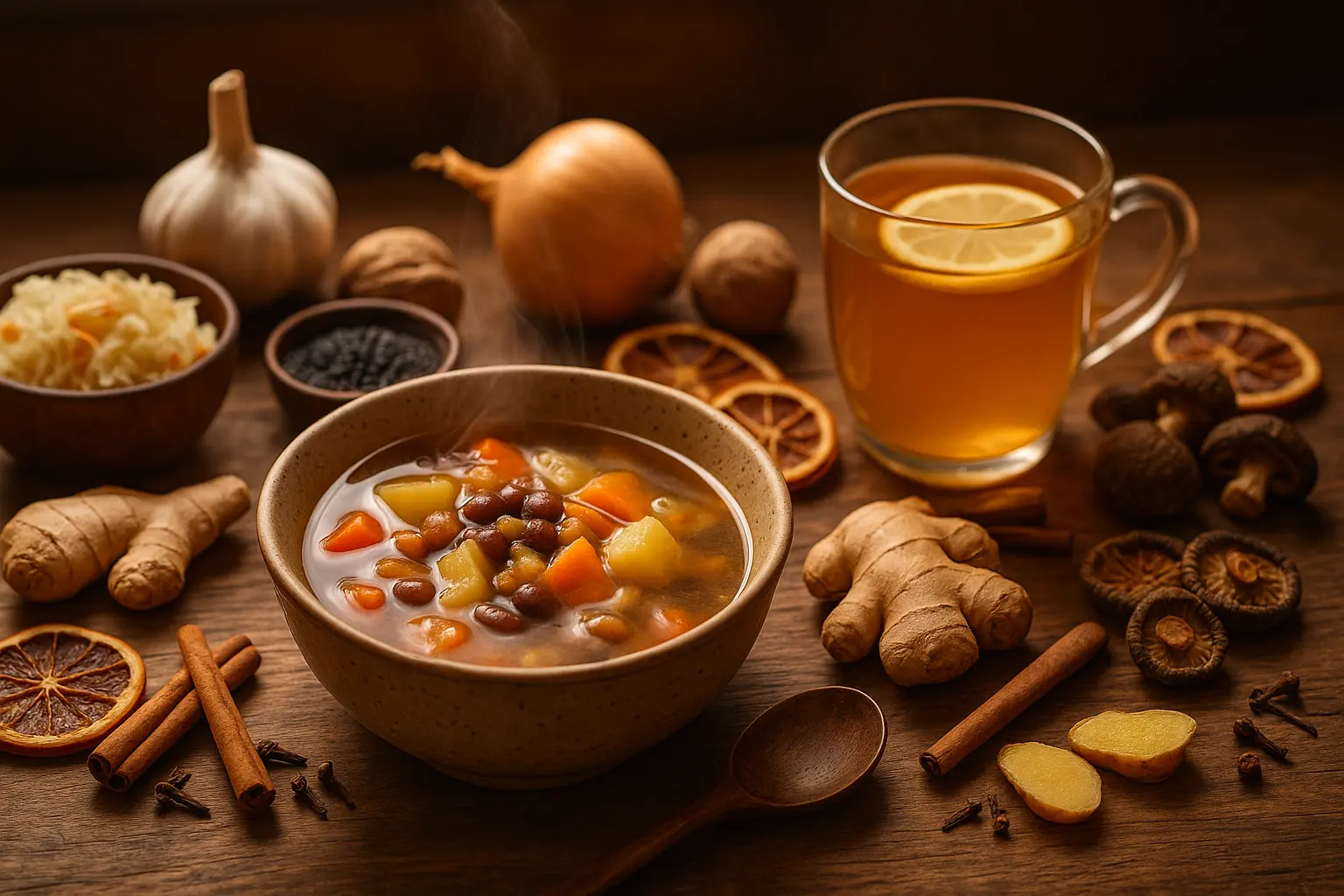
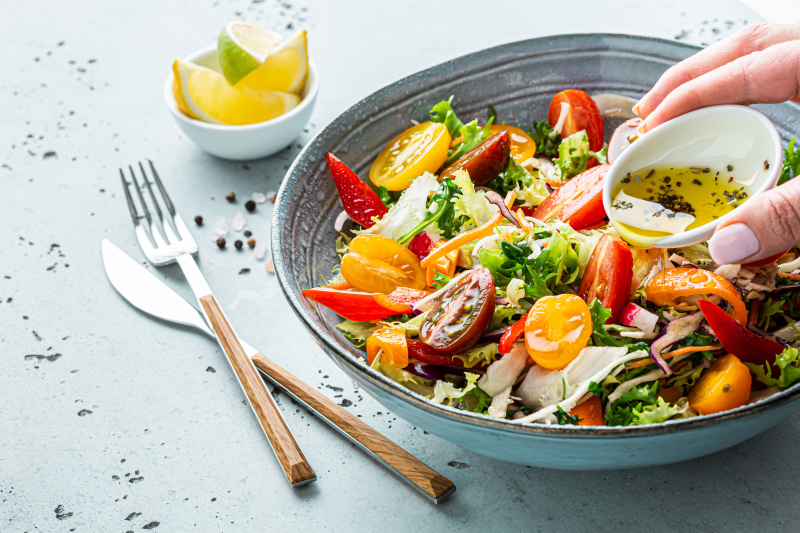
  • Warm cooked meals: Have a warm porridge or soup in the morning instead of cold cereals. Throughout the day, enjoy broths, stewed vegetables, legume soups, and roasted root vegetables. These dishes strengthen the Spleen and warm the centre of the body (the source of Qi energy).
  • Warming spices and foods: Ginger, cinnamon, cloves, garlic, and onion – all of these help to circulate Yang and blood, allowing the body to better withstand the cold. For example, ginger tea with a spoonful of honey in the morning will "kick-start" Wei Qi in the surface layer.
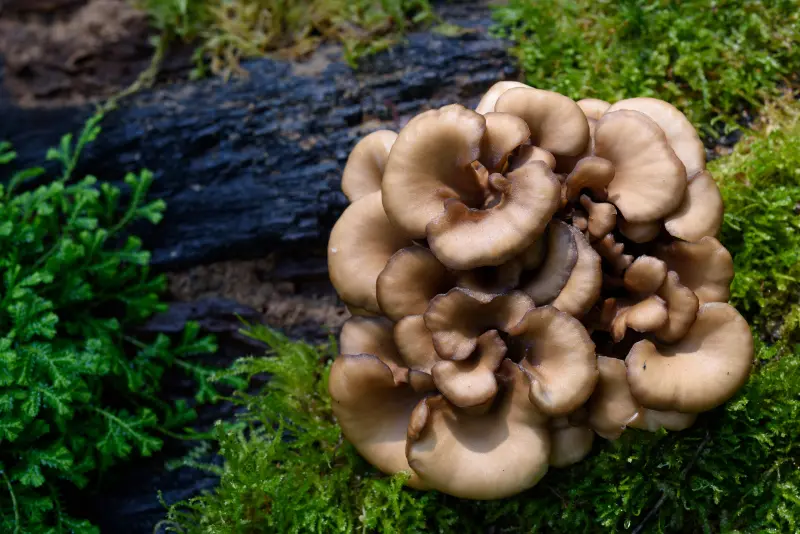
  • Foods that strengthen the Lungs and Kidneys: White radishes, kohlrabi, horseradish, and mushrooms (such as Oyster mushroom or Shiitake in the kitchen) are beneficial for the Lungs. For the Kidneys (and Jing essence), nuts, seeds, black sesame, beans, and long-simmered bone broths are excellent.
  • Fermented and varied diet for the gut: Sauerkraut or pickles support a healthy microbiota. From the perspective of TCM, a moderately sour taste harmonises the Liver and digestion, which indirectly strengthens immunity.
  • Vitamins and fluids: Even in winter, we should ensure sufficient vitamin C (rosehip, sea buckthorn, citrus fruits – though preferably at room temperature, not chilled) and vitamin D (fatty fish, mushrooms, or supplementation). Drink warm beverages – ideally herbal teas (rosehip, ginger, Ginseng, eleutherococcus) and broths. Cold drinks weaken the body, while warm ones keep the "internal stove" burning.

Vital mushrooms – MycoComplex, MyImmunity and Dragon Syrup

A modern trend that I like to use in practice is strengthening immunity using medicinal mushrooms. These are remedies proven by centuries in Asia and confirmed today by research – they contain beta-glucans and other substances that modulate the immune system. For the autumn–winter period, I recommend a combination of MycoComplex and MyImmunity (from MycoMedica):

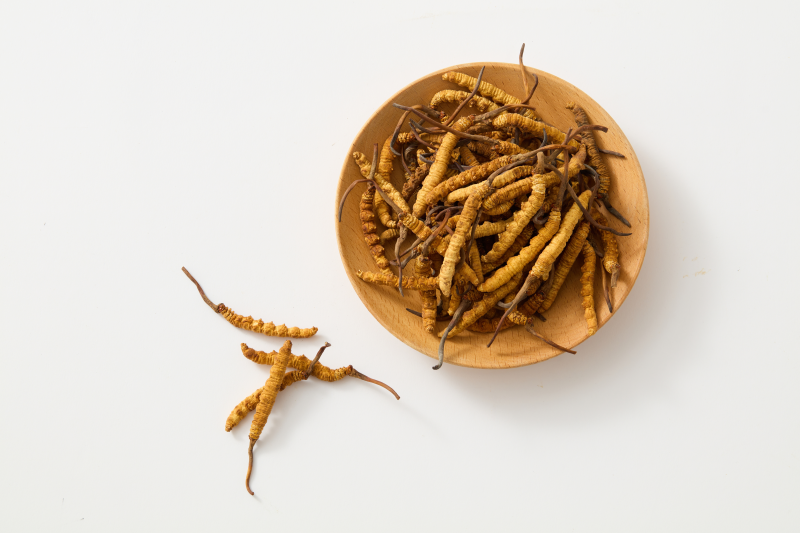
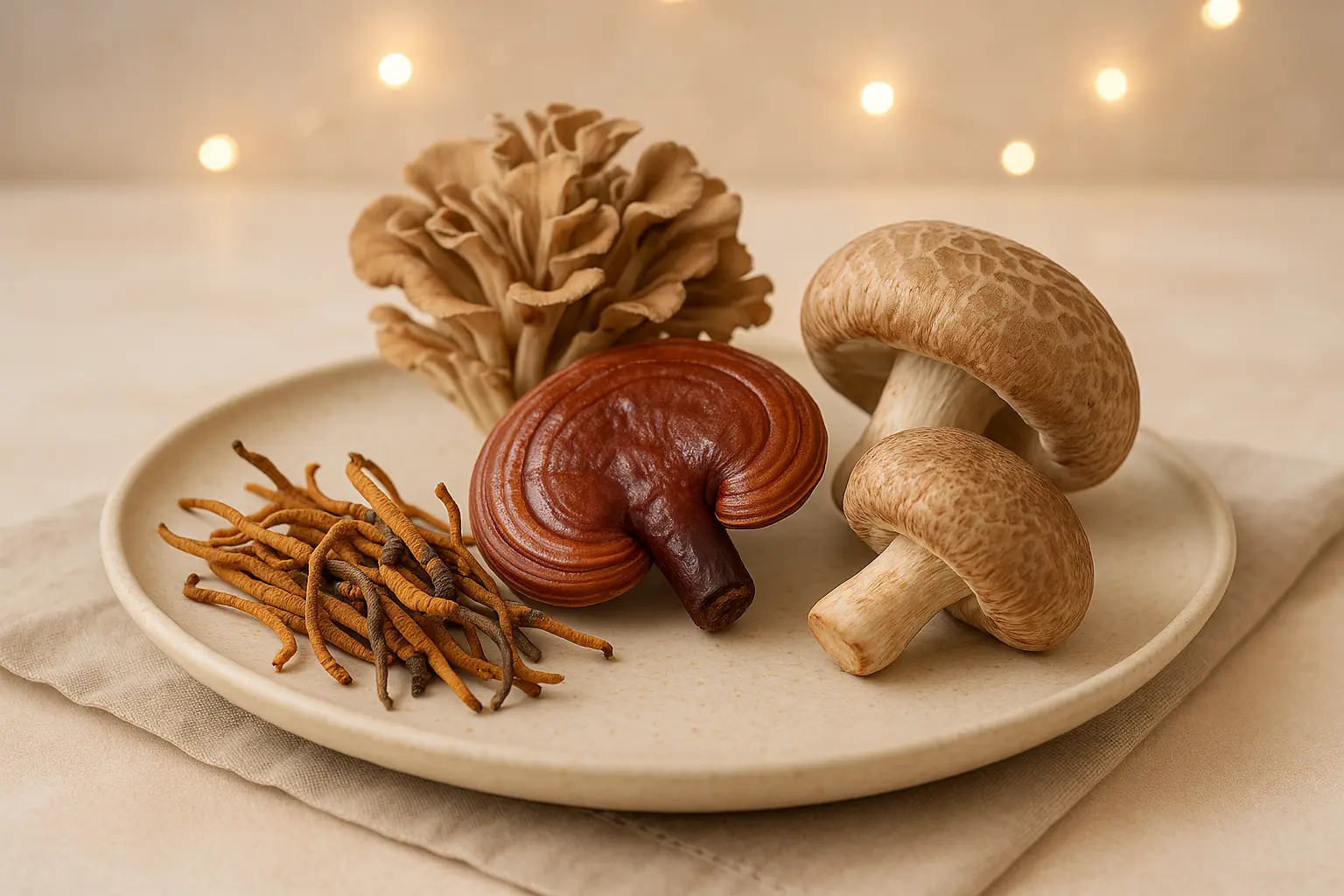
  • MycoComplex is a balanced blend of four medicinal mushrooms Cordyceps, Reishi, Agaricus and Shiitake, enriched with Acerola (natural vitamin C). One capsule contains a concentrated extract of all these mushrooms – 80 mg of each mushroom, plus 40 mg of Acerola. Thanks to Cordyceps and Reishi, MycoComplex replenishes Kidney and Lung energy, but at the same time directly strengthens defensive Qi. Agaricus and Shiitake are known for supporting immunity and the Spleen. Acerola provides vitamin C, which increases the effectiveness of beta-glucans from mushrooms and boosts immunity overall. Dosage is usually from 3 to 6 capsules daily during periods of difficulty; for prevention, 1–3 capsules daily is sufficient (for example, 2–3 months a year). For children, the dosage is reduced accordingly.
  • MyImmunity combines the effect of medicinal mushrooms with the power of herbs. Each capsule contains the same four mushroom extracts (Reishi, Cordyceps, Shiitake, Agaricus, 80 mg each) supplemented with 100 mg of the herbal component Huang Qi (Astragalus, a known adaptogen) and 40 mg of purple coneflower (Echinacea) extract and 40 mg of Acerola. This unique combination of East and West strengthens immunity in several ways: mushrooms replenish Qi and contain substances that directly increase the activity of immune cells, Huang Qi in TCM significantly strengthens defensive Qi and "closes the surface" (protects against the penetration of wind and cold), and Echinacea is a proven Western herbal aid in supporting defences. We take MyImmunity preventively at 1–3 capsules twice a day; during periods of increased stress, it can be increased to 3–5 capsules twice a day (short-term). For long-term use of mushrooms, a regimen of taking them 5 days a week and skipping 2 days is recommended so that the body does not get used to them one-sidedly.
  • Dragon Syrup is my first choice for young children (approx. up to 5 years old) in the autumn/spring period and 2–3 weeks before starting kindergarten/school: the combination of Reishi and Cordyceps with Echinacea and Acerola strengthens defensive Qi (Wei Qi), replenishes Qi, blood and Yin, supports the Kidneys (Jing/Yang) and Lungs (Yin), transforms phlegm, stops coughs, relieves shortness of breath and calms Shen (better sleep, less nervousness); in practice, it proves effective for children with a tendency to frequent infections, chills, paleness, cold extremities, fatigue and phlegm (also good during convalescence, for allergy sufferers ideally before the season).

Of course, it is also possible to choose an individual combination of medicinal mushrooms, according to the specific condition of the person in question.

Why do medicinal mushrooms work so well?

From the perspective of Western science, they contain polysaccharides (mainly BetaGlucan), triterpenes and other substances that mobilise the immune system – they support the production and activity of white blood cells, NK cells and balance the ratio of immune responses (excellent, for example, in cases of a tendency towards allergies). From the perspective of TCM, the mushrooms restore the balance between defensive Qi and nourishing Qi (Reishi excels at this), replenish energy and essence (Cordyceps warms and strengthens the Kidneys) and at the same time directly eliminate pathogens (Coriolus or Agaricus – although Coriolus is not directly in MycoComplex, Agaricus is its strong equivalent). I personally see great results in my patients – people who used to be ill every month are, thanks to the mushrooms, healthy all winter or the course of any potential illness is much milder.

Proven herbal blend: 

Yu Ping Feng San (095 Defensive Shield)

Among Chinese herbal recipes for preventing winter ailments, I swear by Yu Ping Feng San, known as the “Defensive Shield”. It is a classic blend from the Yuan dynasty, composed of Astragalus (Huang Qi), Atractylodes (Bai Zhu), and Saposhnikovia (Fang Feng). Translated literally, it means “Jade Windscreen Powder” – it is intended to fortify the body like a wall against the wind. It strengthens defensive Qi and stabilises the body's surface, so it is used for people with frequent cold infections, spontaneous sweating, and a generally weak constitution. According to TCM, Huang Qi replenishes Qi and firms the surface, Bai Zhu strengthens the Spleen (the source of Qi) and drains dampness, and Fang Feng expels any potential wind. It is advisable to use this blend preventively throughout the entire high-risk period – ideally in the form of a tincture for several weeks or months. In practice, I often combine it with mushrooms (e.g., MyImmunity contains the herb Huang Qi – Astragalus membranaceus, so it fits perfectly with this approach). However, it should be noted that herbal blends should always be chosen individually – some people may be better suited to Bu Zhong Yi Qi Tang (Awakening Energy) for strengthening Spleen Qi, while others may prefer a combination with adaptogens (Ginseng, liquorice, etc.). Nevertheless, Yu Ping Feng San (Defensive Shield) is a universal recipe for strengthening Wei Qi and preventing illness during viral seasons.

Other lifestyle measures

Prevention is not just about what we swallow, but also about how we live. That is why I also emphasise the following measures to my clients:

  • Sufficient sleep and rest: During sleep, Yin and blood are regenerated, and the body gathers Qi. In winter, the nights are longer – nature itself advises sleeping a little more. Aim for a quality 7–8 hours of sleep. When the body signals fatigue, treat yourself to some relaxation (a warm bath, reading, meditation).
  • Cold exposure, but appropriate clothing: It is healthy not to overheat – overheated rooms and overly warm clothing lead to drying out of the mucous membranes and weakening of the surface circulation of Wei Qi. On the other hand, it is not advisable to get chilled. The ideal is several thin layers of clothing made from natural materials and regular time spent in the fresh air. Moderate cold exposure (e.g., finishing a shower with lukewarm water, occasional short walks in cooler weather while lightly dressed) can strengthen Yang and resistance to cold. However, the rule always applies – everything in moderation and listen to your body.
  • Minimising stress: Mental well-being is directly reflected in immunity. In winter, find time for calm activities – such as breathing exercises, yoga, Qi Gong, or walks in nature. Deep breathing strengthens the Lungs and thus Wei Qi. Conversely, long-term stress and rushing "accelerate" the exhaustion of the Kidneys. Therefore, winter is a time for calming down, focusing inwards, and recharging your strength.
  • Limiting sugar and alcohol: Sweets in larger quantities weaken the Spleen and create dampness in the body, which is a breeding ground for pathogens. Alcohol, in turn, produces excessive heat and dampness, weakens the Liver, and dehydrates the organism. In reasonable amounts, one can indulge, but the rule is that the less simple sugar, the better the white blood cells function. Likewise, it is advisable not to smoke – smoking damages Lung Yin and heats up phlegm (smokers then more easily get coughs and infections).
  • Movement and sauna: Regular exercise appropriate to your fitness level supports the circulation of blood and Qi, which improves immune surveillance. Brisk walks, light jogging, or exercise 3 times a week is enough. An advantage of winter can also be the sauna – it gets the blood flowing, warms the body deeply, and strengthens the so-called "internal Yang". Those who tolerate the sauna well should use it as prevention (but avoid the sauna if you are starting to feel ill, are generally weakened, or have a deficiency of Qi and Yang energy!).
  • Hygiene and contact with the sick: The simplest things – wash your hands, ventilate rooms, and do not unnecessarily share dishes and towels with people who have a cold. These basic recommendations gained importance during the pandemic and still apply today. If a flu epidemic starts to spread, consider limiting visits to mass events in enclosed spaces.

Following these principles, along with supportive nutrition, mushrooms, and herbs, will significantly increase the chance that you will sail through the winter season in good health or only experience a potential illness very lightly.

What to do in case of an acute infection

Despite all prevention, it can happen that a virus catches up with us after all. The important thing is not to ignore anything and to implement the right measures at the very first symptoms. In my practice, the following has proven effective:

1) Using mushrooms and herbs during an acute infection

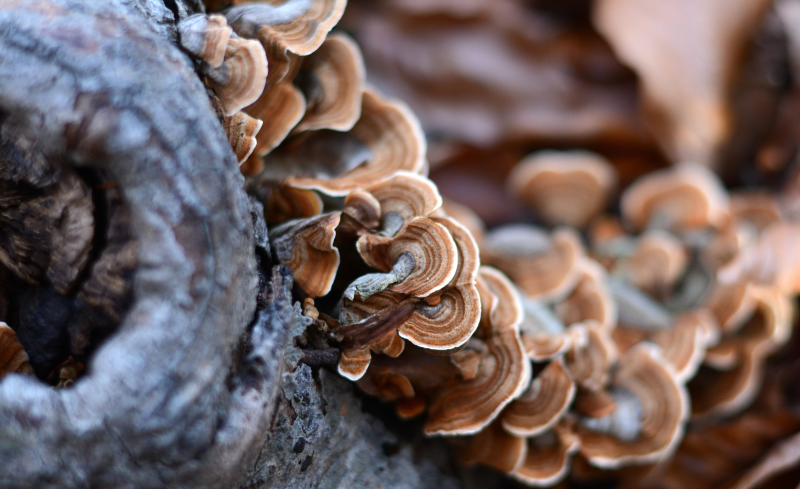
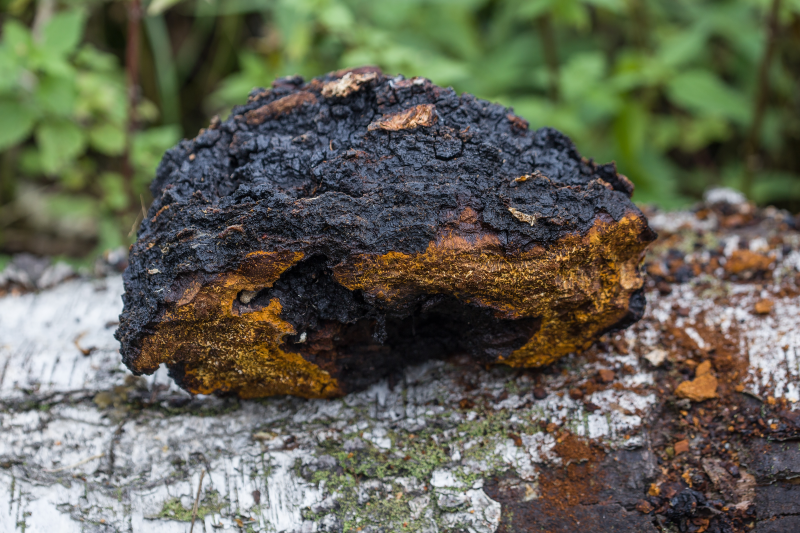
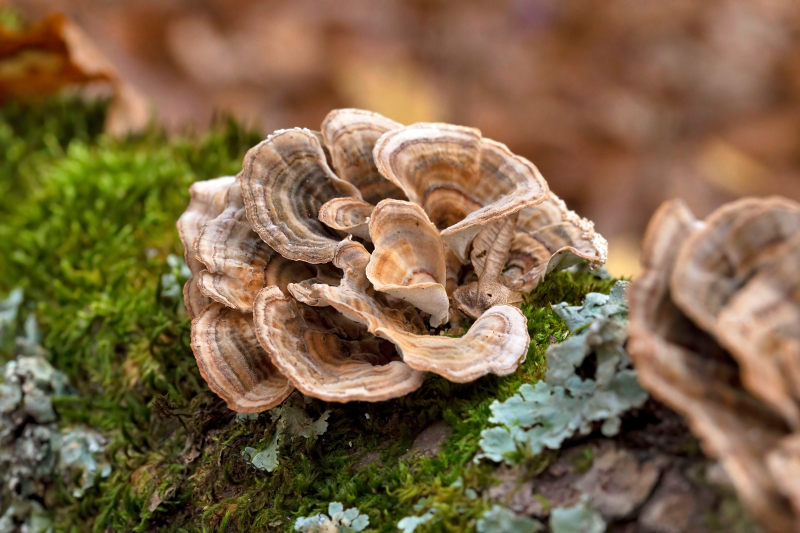
As soon as I feel the first symptoms of a cold or flu, I immediately adjust my use of medicinal mushrooms: I temporarily stop taking all other mushrooms and start taking only Coriolus (Turkey Tail) in a high dose. Coriolus (also known as Yun Zhi or Trametes versicolor or Coriolus versicolor) is unique in that it very strongly stimulates the immune system and fights pathogens directly. For an adult, I dose 2 capsules of extract 5 times a day – it is important to start immediately with the first symptoms, do not wait. We have tested many times that if we catch the infection in the bud, Coriolus can activate immunity so much that the intruder is eliminated and the illness does not develop at all. Even if the illness has already started, we continue to administer Coriolus throughout the acute phase. We do not use other mushrooms (Reishi, Cordyceps, Shiitake, etc.) in the acute phase because they are more nourishing and supplementary agents – they could potentially 'feed' the pathogen rather than fight it. We save those for convalescence. Or for long-term chronic infections. There, they are irreplaceable.

2) Herbal blends according to the type of infection

TCM has a rich arsenal of recipes tailored precisely to different types of acute respiratory infections. Personally, I choose the blend according to the specific symptoms and the nature of the pathogen (whether it is wind-cold, wind-heat, damp-heat, etc.). I will give a few examples of proven blends (I usually use them in the form of tinctures, as alcohol gives them greater dynamics):

  • Wind + cold: Typically the beginning of a cold with chills, a scratchy throat, watery runny nose, muscle and neck pain, but without a significant fever. Here I use, for example, Gui Zhi Tang (Cinnamon Caress) – this blend releases the exterior and harmonises the nutritive and defensive Qi, helps to sweat out the cold and relieves muscle pain. It works great for patients who have chills, shivering, perhaps slight sweating and an aversion to wind. Another option is Jiu Wei Qiang Huo Tang (Nine Herbs) in case dampness is present in addition to cold (a feeling of a heavy body, headache and no sweating).
  • Wind + heat: This includes viruses with fever, sore throat, red throat, yellow phlegm and irritability. A classic first choice is Yin Qiao San (Tiger Drink) – in the early phase of 'wind-heat', it clears hot toxin, relieves sore throat and reduces incipient fever. It has the advantage that it also exists in the form of a syrup, so it is also suitable for small children. For stronger sore throats and swollen tonsils, I like to add Chuan Xin Lian (Dragon Breath), which intensively clears heat and removes toxin from the throat and Lung area.
  • In some cases, I give the recipe Shuang Huang Lian (Silver Breath), which clears toxic heat from the Lungs – it is used for wind-heat attacks with fever, sore throat, cough and acute inflammation of the respiratory or digestive tracts.
  • If a burning sore throat dominates, I reach for the recipe Lian Qiao San Gen Tang (Toxin Removal) – this strongly clears fire toxin in the throat, reduces inflammation and swelling.
  • Cough and phlegm: I treat an acute wet cough with yellow phlegm expectoration with the blend She Mu Tang (Mountain Roar) – this is a basic recipe for a wet cough, it can clear phlegm and relieve the bronchi. Conversely, for a dry, irritating cough that is part of an acute infection, I give Qing Zao Jiu Fei Wan (Dried Spring). It is suitable for dry coughs within viruses and allergies, cough with blood, whooping cough, laryngitis and bronchitis.
  • Runny nose and sinus inflammation: For an acute runny nose with a blocked nose, I choose the proven blend Bi Yan Pian (Nasal Breeze), which clears the nose, expels wind and acts as an anti-inflammatory – it also helps with incipient sinusitis. If the runny nose has a distinctly yellow colour (hot toxin), or if it is an allergic runny nose, I prefer to reach for Te Xiao Bi Min Gan Wan (Jade Veil), which expels wind-heat from the nose and sinuses.
  • Alternating fevers, long lingering: Sometimes it happens that the illness does not go away completely, the fever fluctuates and the person is still lethargic – TCM says that the pathogen has penetrated into the so-called half-exterior/half-interior. To harmonise this state, Xiao Chai Hu Tang (Opening the Door) serves excellently. It 'opens the door' and allows the body to expel the hidden pathogen, harmonises the Shaoyang channel – I use it for recurring viruses or when a feeling of not being myself remains after the illness.

There are, of course, many more recipes, and it is best to consult the ideal choice with a practitioner of Chinese medicine. In practice, I also combine herbs and mushrooms for a synergistic effect – for example, I always keep Coriolus with the above-mentioned blends, which supports immunity. We have observed that the combination of Coriolus + a suitable herbal blend can significantly shorten or mitigate the course of the illness. For example: for tonsillitis with fever, I give Pu Ji Xiao Du Yin (White Cocoon) + Coriolus; for a cough with yellow phlegm Mountain Roar + Silver Breath + Coriolus; for a virus with a high fever Bai Hu Tang (Four Greats) + Coriolus, etc. In these combinations, the herbs destroy the pathogen and harmonise the body, while the medicinal mushroom mobilises our soldiers (immune cells).

There are many ways to use herbal recipes for acute infections. If you are unsure how to proceed, it is ideal to visit a practitioner of traditional Chinese medicine or use the Consultation at MycoMedica.cz.

Additional regimen during illness

Once an illness has taken hold, the good old rule applies: "Sleep it off". I truly recommend staying at home in bed, resting and drinking plenty of warm fluids (herbal teas, broths). Choose light food – ideally broth, rice or oat porridge, steamed vegetables. Limit fatty and meaty dishes, sweets and dairy products (these increase mucus). During an infection, the body's task is to expel the pathogen; we do not want to burden it with digesting complex meals. It is natural to lose your appetite, that is fine. Fluid and mineral intake is more important.

Western medicine advises reducing a fever above 38 °C with medication, but I prefer a moderate approach here. A fever is a manifestation of the fight between Zheng Qi (Righteous Qi) and Xie Qi (Pathogenic Qi), as TCM says – the body is "heating the cauldron" to burn off the intruder. If the temperature does not exceed 39 °C (in adults) and the patient is not in a high-risk group, I do not recommend suppressing the fever immediately. I prefer to support the body to sweat – wrap yourself in a blanket and sweat it out, drink plenty of lukewarm teas, and let the fever do its work. The body gets rid of pathogens through sweat, breath, urine and stool. Of course, children, seniors, very weakened individuals or those with heart disease or neurological problems are exceptions – caution is appropriate there, as well as potential cooling or medical intervention. But a healthy adult can usually handle a short-term fever and will recover faster than if we artificially suppress it.

Regarding other measures during the acute phase, I emphasise bed rest (no "walking off" the illness!), gargling and nasal irrigation with salt water or herbal decoctions (sage, chamomile) to alleviate symptoms, and potentially throat wraps or pressing acupressure points to clear the nose (e.g., the Yingxiang/LI20 point on the sides of the nostrils). Essential oils can also help (eucalyptus, peppermint – a few drops in a bowl of hot water for inhalation if the nose is blocked). The main thing is to give the body time and energy to fight and not burden it with unnecessary things.

Convalescence – returning to strength after illness

Once the acute phase subsides, the often underestimated part follows – convalescence. In TCM, it is said that after fighting a pathogen, Zheng Qi is weakened and needs to be replenished. Practically, this means that even if we no longer have a fever or acute symptoms, we should still rest for a few days, eat well, and potentially use tonifying agents so that the body returns to balance.

The return of vital mushrooms:

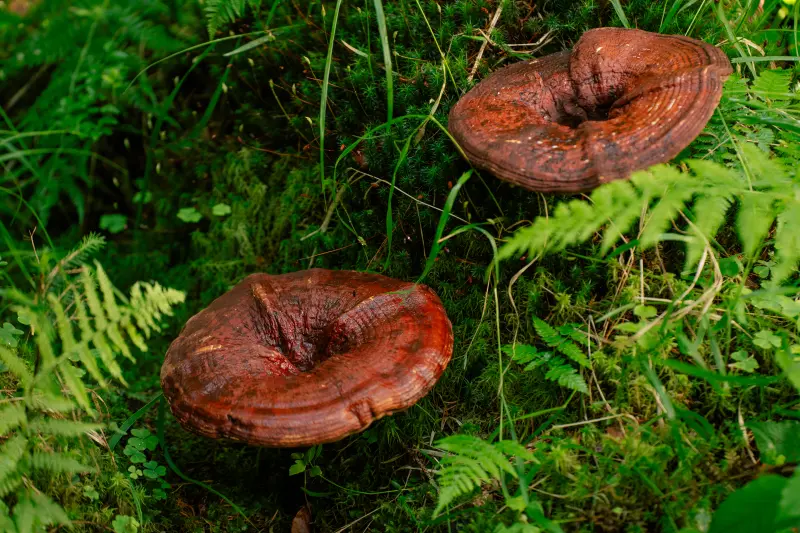
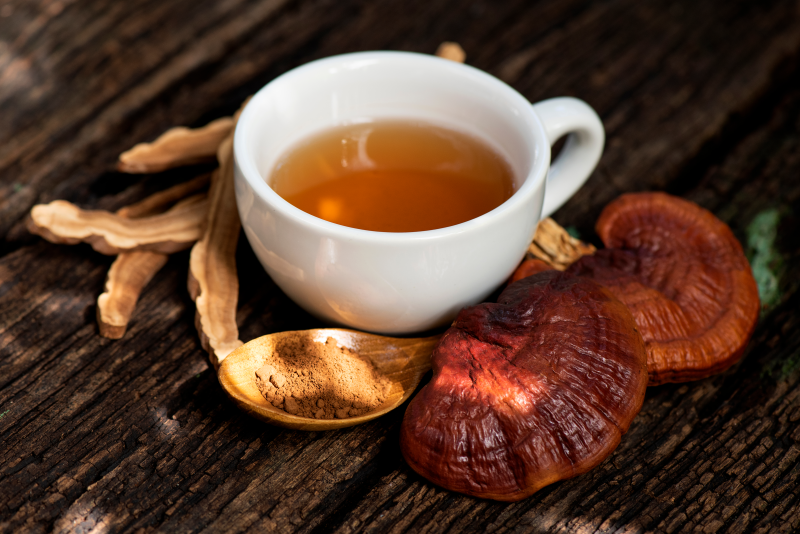
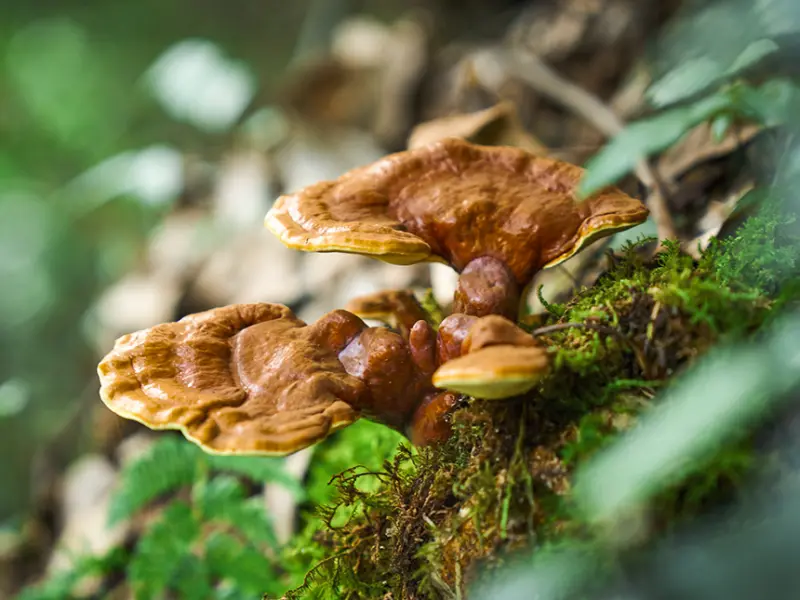
During convalescence, nourishing mushrooms come back onto the scene – especially Reishi, Cordyceps and Shiitake. I recommend these three mushrooms (depending on the individual patient's condition) as soon as the acute symptoms subside. Reishi (Ganoderma lucidum, Reishi) replenishes Zheng Qi and harmonises immunity, while also calming the spirit – thus helping to restore the balance of body and mind after an illness. Cordyceps strengthens Kidney Yang and the Lungs, providing vitality and warmth to an exhausted organism. Shiitake supports the Spleen and replenishes Qi, which is important after a period when a person may have been eating less. Together, these mushrooms quickly replenish exhausted strength and shorten the time when a person feels "weak as a kitten" after an illness. They can be taken either individually (e.g., Reishi extract in the evening, Cordyceps in the morning, Shiitake at noon) or by using complex mixtures such as the aforementioned MycoComplex or MycoBalance. The doses are generally lower to medium (e.g., 2-4 capsules daily of each mushroom), because the goal is nourishment, not combat.

Herbal follow-up treatment:

From herbs in this phase, I often prescribe mixtures that expel the remnants of the pathogen and strengthen the body. I have already mentioned Xiao Chai Hu Tang (Opening the Door) above – it is excellent if, after an illness, there is a lingering feeling that the illness keeps returning or is not fully cured. It "opens the door" to a semi-hidden pathogen while strengthening the centre of the body. We can easily prescribe it for 1–2 weeks after the illness. Another option is, for example, Shen Ling Bai Zhu San (Sea of Ears), which strengthens Spleen Qi and dries out residual dampness in people who suffer from diarrhoea or weak digestion after an illness. It is important not to jump straight back into full activity – the body continues to regenerate for a week or two even after symptoms have disappeared. Use this time to provide it with what it needs: quality food, sleep, herbs and mushrooms for strengthening. Your reward will be that the illness does not return and you may even achieve better fitness than before.
Acupuncture as a supportive method

To conclude this section, I cannot omit acupuncture. From the position of a TCM therapist, I know that acupuncture can play a significant role both in the prevention and treatment of winter illnesses. Preventively, acupuncture can be used to strengthen the Lung, Kidney and Spleen meridians – there are points whose regular stimulation increases immunity (e.g. point Zusanli ST36 for overall strengthening of Qi and defence, or Hegu LI4 for circulating Wei Qi on the surface, etc.). During an acute illness, acupuncture helps to relieve symptoms: points for releasing the exterior and expelling wind alleviate a blocked nose and headaches, points for clearing the nasal sinuses relieve a runny nose, and points for strengthening the Lungs soothe a cough. Furthermore, acupuncture can also support the patient's psyche – calming the Shen spirit – so that the body can cope with the illness more easily. Moxibustion (warming with a mugwort stick) of points such as CV4, CV6 or ST36 helps to replenish Yang and expel cold. During convalescence, acupuncture then harmonises the organism so that it returns to balance. This method is an excellent supportive therapy – of course, it does not replace treatment, but it can accelerate it and strengthen the effect of other procedures.

Milan's Ten Commandments

Prevention of winter infections

To conclude, I will summarise the ten most important principles that I urge my patients to follow for immunity in winter:

  1. Ensure a warm and balanced diet: Have a warm meal every day, ideally soup or broth. Eat a varied diet with plenty of vegetables, high-quality protein and probiotic foods. Avoid excess sugar, processed foods and cold dishes.
  2. Keep your core warm: Susceptibility to colds increases when your back, abdomen or feet get cold. Wear appropriate clothing (especially keep your kidneys warm and protect your neck from the wind with a scarf). At the same time, do not overheat rooms – the optimum at home is ~22 °C with humid air.
  3. Strengthen immunity with natural remedies: Consider using medicinal mushrooms (Reishi, Shiitake, Cordyceps, Coriolus, etc.) in the form of high-quality supplements. Likewise, you can preventively take herbal mixtures such as Yu Ping Feng San (Defensive Screen) during the high-risk months.
  4. Do not forget to exercise in the fresh air: Even in winter, go outside, ideally in daylight for vitamin D. Light exercise, walking or running will improve blood circulation to the mucous membranes, improve lung capacity and strengthen Yang – you will be more resilient.
  5. Regenerate and get enough sleep: Treat yourself to a regular sleep routine, go to bed around 10 p.m. A rested body has stronger Wei Qi. Do not drag out your nights with work or entertainment at the expense of sleep, especially not repeatedly.
  6. Limit stress and take care of your mental health: Find a moment every day to calm your mind. It can be meditation, yoga, reading, a hot bath or simply being in silence. Mental well-being goes hand in hand with immunity – when the “soul” collapses, the body follows.
  7. Maintain hygiene and prevent infection: Wash your hands with warm water and soap, especially after coming from outside. Learn not to touch your face unnecessarily. During epidemics, avoid crowds in enclosed spaces. Simple measures can prevent the virus from reaching you at all.
  8. React to the first symptoms immediately: If you start to get a scratchy throat or feel fatigue and muscle pain, do not wait. Cancel your plans, make yourself ginger tea, take Coriolus and a sweating herbal tea (e.g. linden, ginger). And crawl under a blanket. The sooner you start to curb the infection, the easier the course will be – you might even nip the illness in the bud.
  9. Do not walk off illnesses: Once you get sick, stay at home and sleep it off. Do not try to overcome the illness with work or exercise. The body needs rest and energy to fight the pathogen. Treat yourself to a real rest regime, even if it is “just a sniffle”. Rest will overcome it in a few days, while walking it off could prolong or worsen it.
  10. Strengthen the organism after illness: As soon as the acute phase subsides, give your body time to recover. Continue with vitamins, a light diet and herbs for a few days to finish healing. Consider starting Reishi, Cordyceps or other mushrooms again to replenish energy. Do not underestimate the recovery period – you will thus prevent the return of the illness or lingering fatigue.

Following this “decalogue” and the recommendations above should help you spend the winter months in health and well-being. As a TCM therapist, I see that combining ancient wisdom (mushrooms, herbs, acupuncture) with modern lifestyle and knowledge (vitamins, hygiene) brings the best results. I wish all readers robust health – may winter viruses and ailments pass you by!

Explore more
from the Encyclopaedia


Further articles, videos 

and podcasts