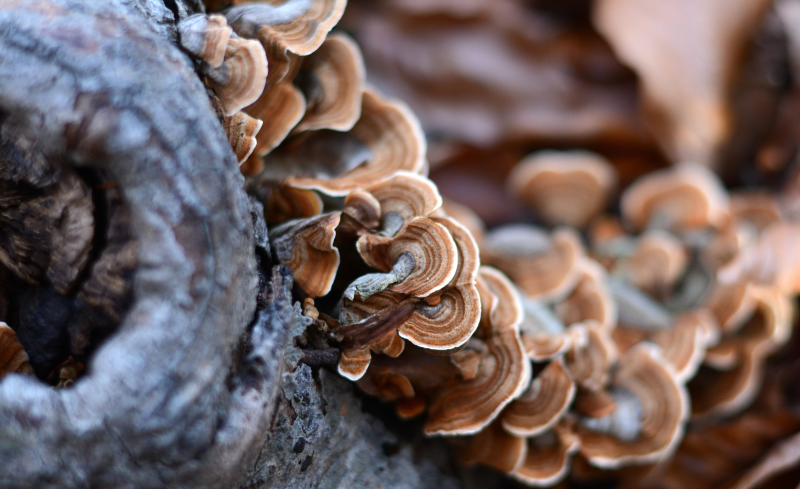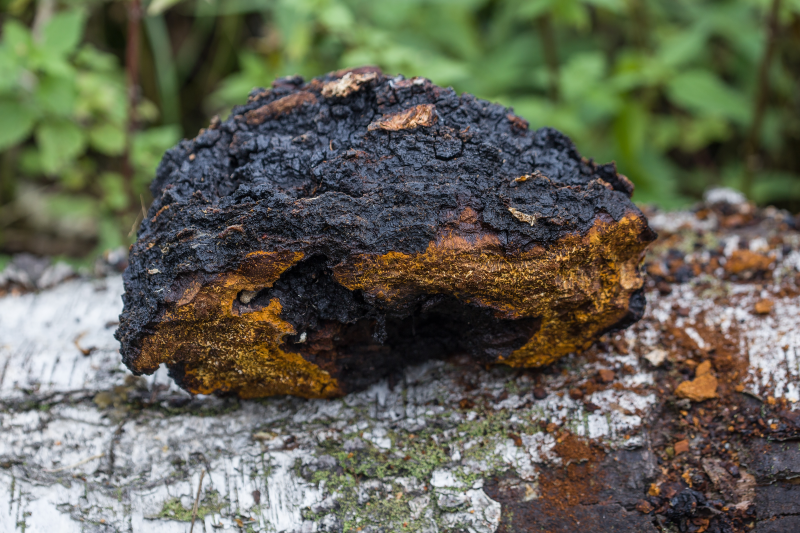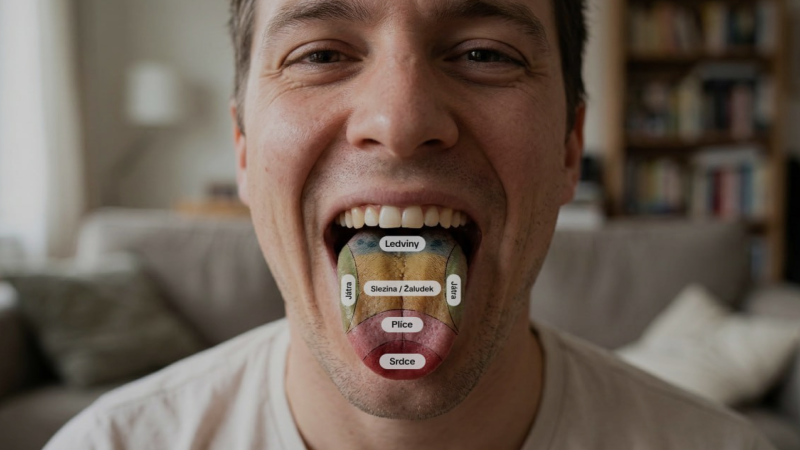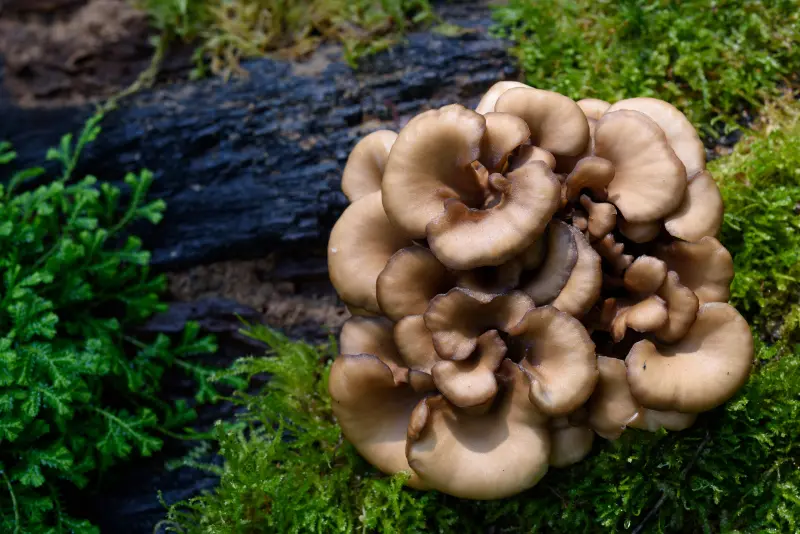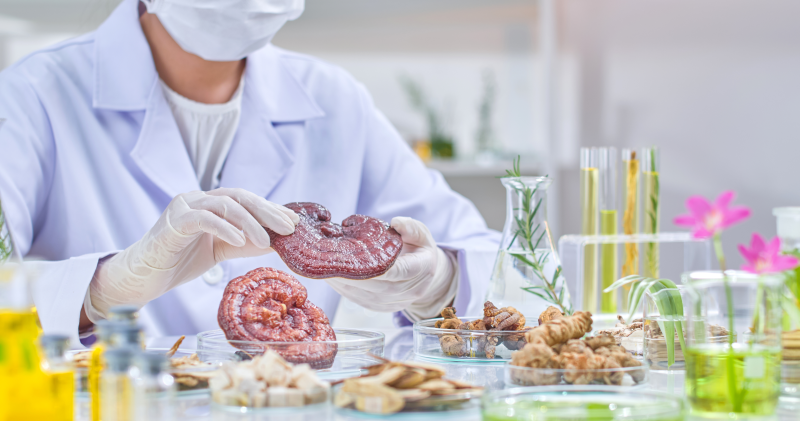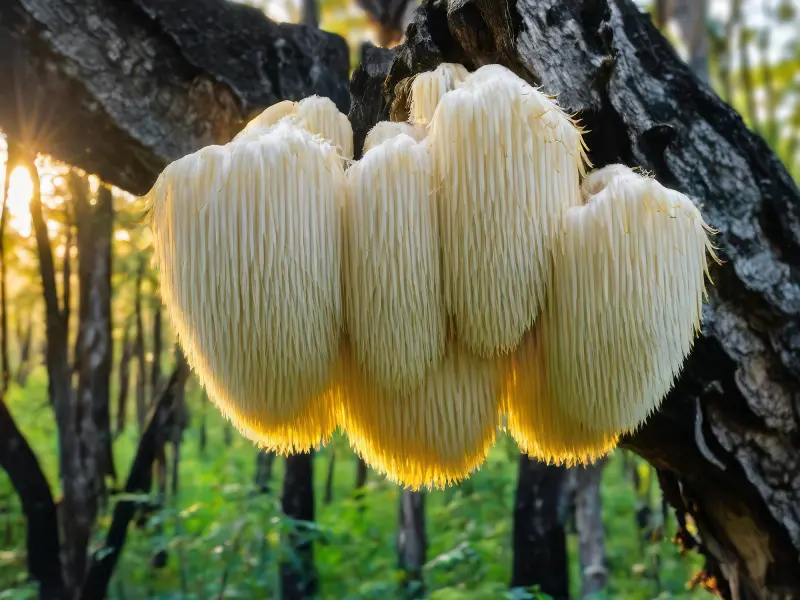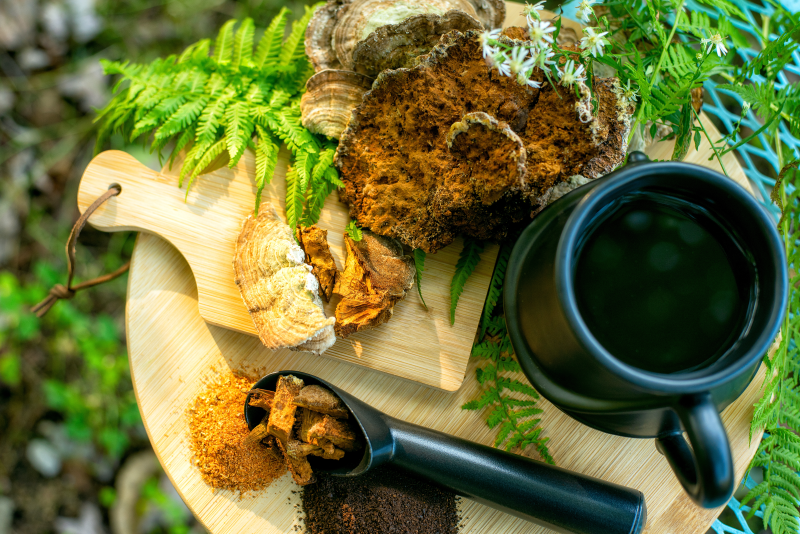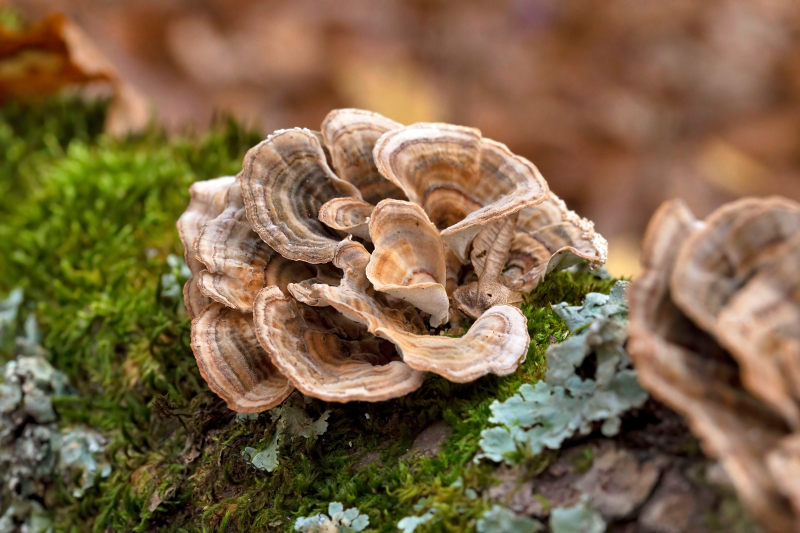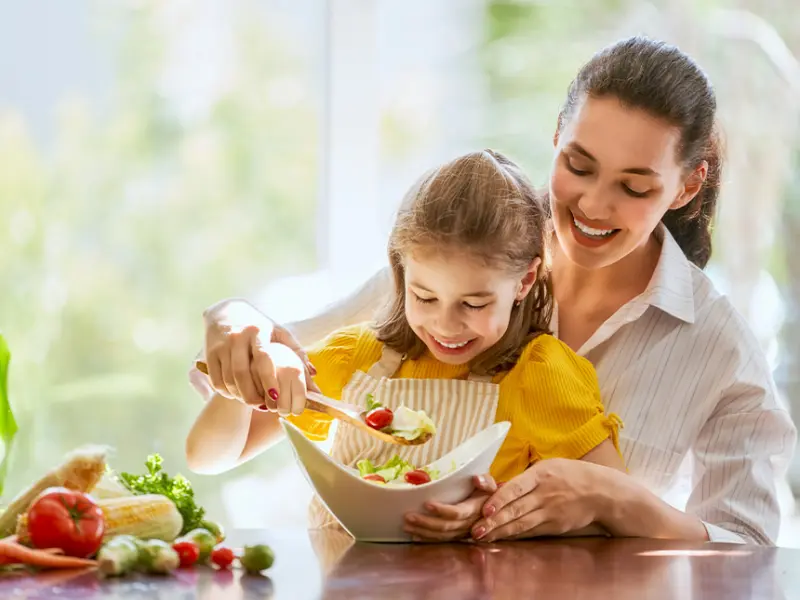



One of the most common questions I receive in our advice centre at the end of the summer holidays is how to strengthen children's immunity before they start school or nursery. With a strengthened immune system, they can avoid a whole range of illnesses. One solution is the regular use of vital mushrooms, the effects of which are confirmed not only by traditional Chinese medicine but also by modern scientific studies. Let us therefore look at three traditional herbal and mushroom recipes that will help you strengthen your children's immunity.
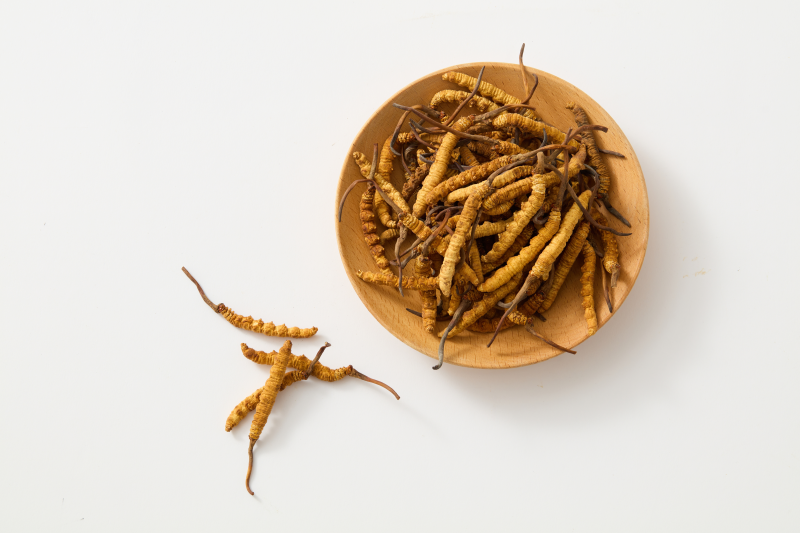
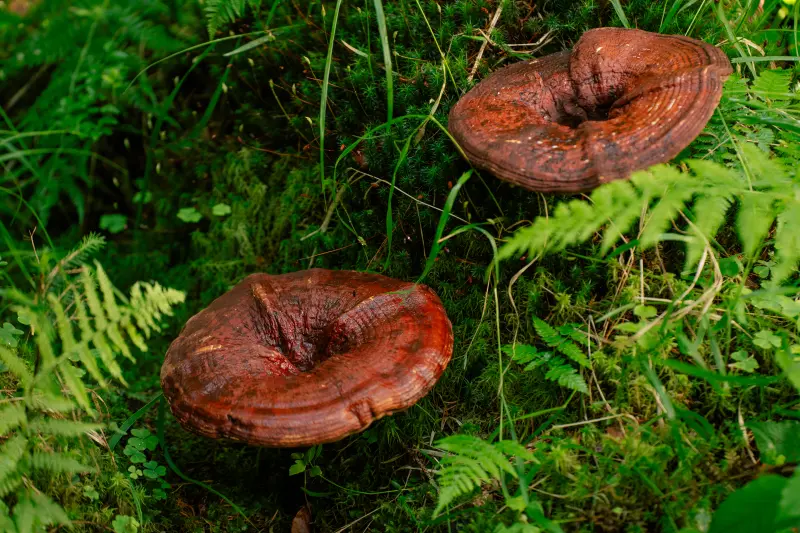
This is a traditional blend used in the form of a syrup. You may know it by the name Dragon Syrup. The syrup is particularly suitable for young children who are unable to swallow tablets. It stands out for its excellent taste thanks to the addition of high-quality Dutch cocoa, and children will certainly enjoy it. Its effects on increasing the body's defences lie in the combination of herbs and vital mushrooms. Dragon Syrup contains Cordyceps, Reishi, Echinacea and Acerola.
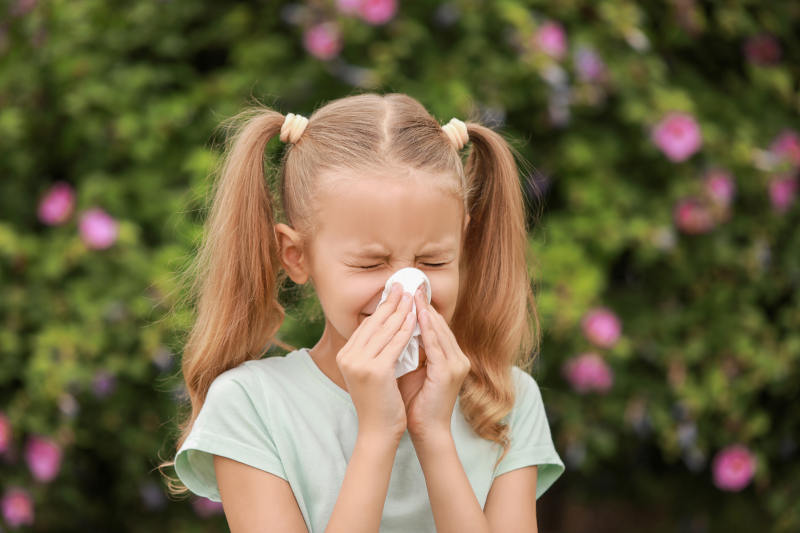
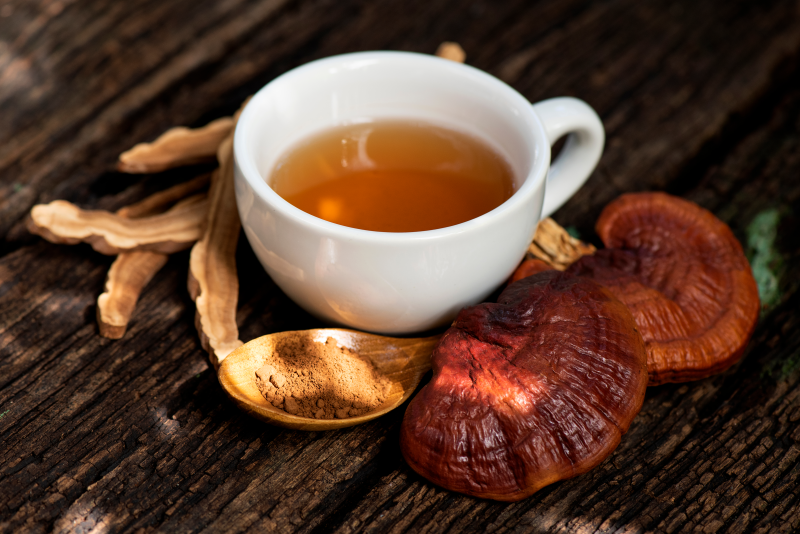
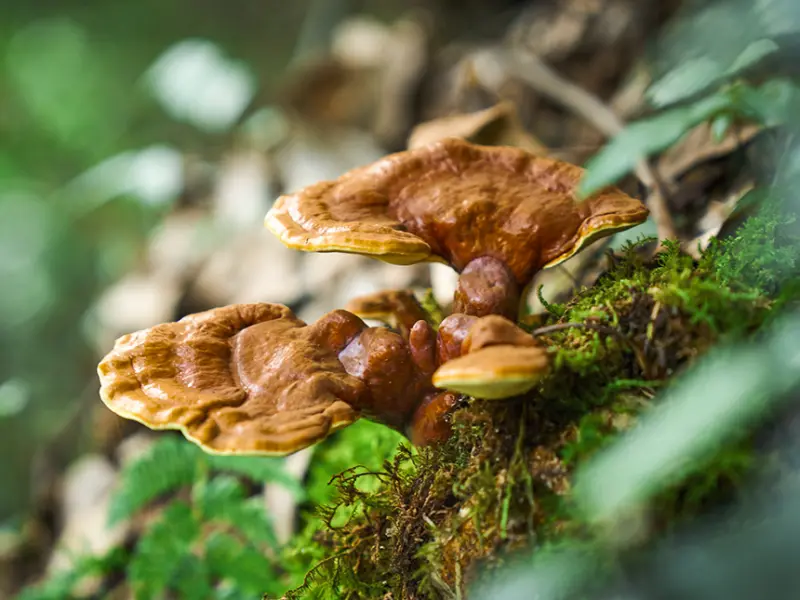
Cordyceps strengthens the kidneys and immunity and also works excellently for atopic problems and strengthening the lungs. The vital mushroom Reishi also has very beneficial effects on strengthening immunity and has also proven itself excellent for allergies and atopic eczema. Echinacea is also very well known for its beneficial influence on immunity, and it also has a positive effect on the psyche. A sufficient amount of natural vitamin C is one of the important components for the proper functioning of children's organisms, which is why Dragon Syrup contains Acerola with a high content of this essential vitamin.
The second recipe is Si Ge Mo Gu San, you may know it under the name MycoComplex, which is suitable for older children as well as adults. The capsules contain the aforementioned vital mushrooms Cordyceps, Reishi and Acerola, and are additionally supplemented with the mushroom Agaricus and the mushroom Shiitake.
The Agaricus mushroom is one of the most powerful mushrooms for strengthening the immune system. It also has beneficial effects in the treatment of eczema and other skin problems. Due to its taste, the Shiitake mushroom is a sought-after mushroom for preparing dishes, but besides that, it also strengthens immunity and digestion and can deal with viruses and bacteria.
When it comes to preventive immune support, I give preschoolers one capsule twice a day, and school children two in the morning and two in the evening. In more serious conditions, the dose can be adjusted upwards.
I always add the third mixture for children who have a tendency towards phlegm, have a runny nose, or are often coughing something up. Also, if they have soft stools or often suffer from bloating. That recipe is Lian Ren San, which you may know under the name MycoClean. It contains a high proportion of Job's tears extract, which very effectively strengthens the Spleen and removes pathological dampness and various impurities from the organism. We could say that it detoxifies the organism. For nursery-aged children, half a teaspoon is usually mixed into, for example, a snack or porridge. For school-aged children, I recommend 1–2 teaspoons per day.
This recipe is often added to the first two recipes.
Sometimes, instead of this mixture, the vital mushroom Poria cocos is used, which strengthens the Spleen and at the same time removes dampness from the organism.

If you are dealing with issues concerning the immune system, I recommend taking the mushrooms 5 days a week, with a 2-day break. The effect of vital mushrooms on the immune system is then significantly more effective.
While taking vital mushrooms, I recommend increasing your intake of vitamin C. This can be done either in the form of an extract from the Brazilian Acerola cherry or simply by increasing your intake of fruit and vegetables.
In the case of a weakened immune system, medicinal mushrooms are one of the solutions for strengthening a child's organism. According to practitioners of traditional Chinese medicine, however, it is also important to take care of the proper functioning of the Spleen, which, alongside the Kidneys and Lungs, is one of the sources of immunity.
Is it possible to strengthen the Spleen in children?
The answer is yes, but it is important to follow a few rules:
The basis of the diet consists of complex carbohydrates, which are supplemented by a small amount of high-quality proteins and a portion of lightly cooked vegetables. Children also need food that is fresh and tasty; local produce is highly recommended. Most foods only require light cooking, which leaves the meal crunchy. Digestion begins in the mouth, so it is good to teach children to thoroughly chew their food first and enjoy every bite. It is not said for nothing that you are what you eat, and for children, who need quality nutrition for their healthy development, this applies doubly.

Neutral or warm sweet flavours are suitable:
Pungent flavours (in small amounts):
Complex sweet flavours (in small amounts):
Uncooked and raw foods of a cooling nature:
Dampness-retaining and dampness-creating:

Subscribe to our newsletter and you won't miss any promotions or important information