


If you also suffer from recurring bladder infections, it is time to pay attention and get rid of this unpleasant condition once and for all. The secret lies in medicinal mushrooms and a change in diet.
Winter is the time when women most often come to my practice complaining of recurring bladder and urinary tract infections (cystitis). Men with this problem are a rarity – according to statistics, women suffer from this problem 50 times more often than men.
According to Western medicine, the most common causes are bacterial infections, a weakened immune system, long-term stress, or overwork and exhaustion. Sometimes they also appear as a "by-product" of diabetes.
Typical symptoms include frequent and painful urination, burning or stinging during and after urination, and cloudy urine (sometimes with traces of blood). A fever, sometimes accompanied by chills, may also occur – in this case, it is necessary to see a doctor.
Chinese medicine identifies several reasons why women suffer from recurrent urinary tract infections.
The most common one I encounter in practice is Kidney deficiency (mainly their yang aspect). The theory* of Chinese medicine states that everything has its yin aspect and its yang aspect. And they are constantly trying to outweigh one another. Over and over again. In nature, this creates natural yin-yang cycles, where yin and yang alternate regularly – such as night and day or winter and summer. You are probably all familiar with the monad, in which this alternation is clearly illustrated. If one element grows excessively, it flips into the other. And so on, over and over. It works the same way in our body.
The Kidneys contain both a yang aspect (they are the 'little stove' of the organism) and a yin aspect (this is nourishment, matter). If a woman is sensitive to cold, has cold extremities, complains of frequent or nocturnal urination, painful menstruation, is pale and tired, then she has insufficient Kidney yang. Her Kidneys are 'cold', and if further cold enters the organism from the outside (the woman is exposed to external cold), then the cold becomes excessive.
And according to the aforementioned theory*, where excessive yin transforms into yang, extreme cold likewise turns into extreme heat, or inflammation. This is the typical course of chronic cystitis. A woman catches a chill, pain, cutting sensations, and burning begin, followed by antibiotics, which is not theoretically a bad idea, as heat needs to be cooled down. However, the problem is that the organism is usually cooled down too much, further stifling the 'little fire' that should be flickering in the Kidneys. And next time, a milder intrusion of external cold is enough for the illness to return. This creates a vicious circle.
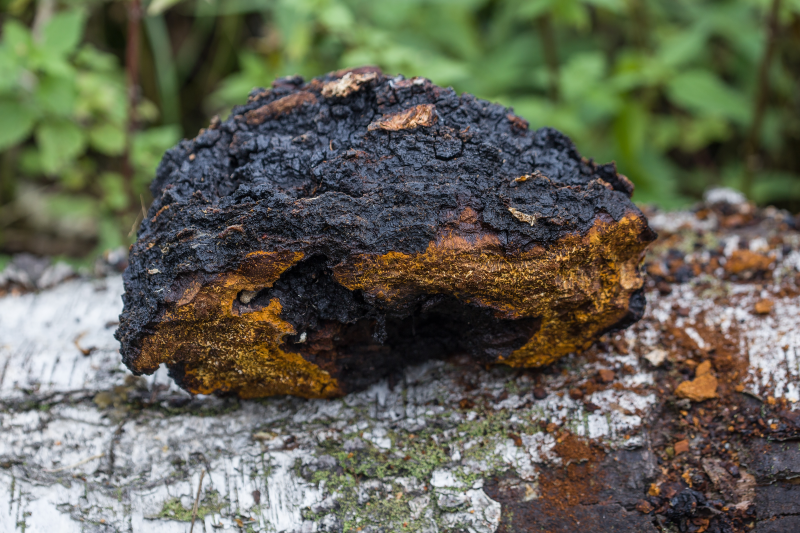
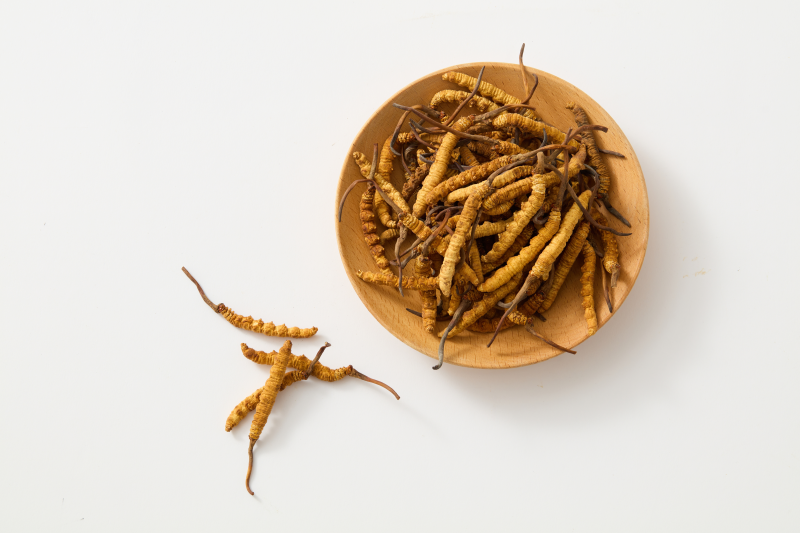
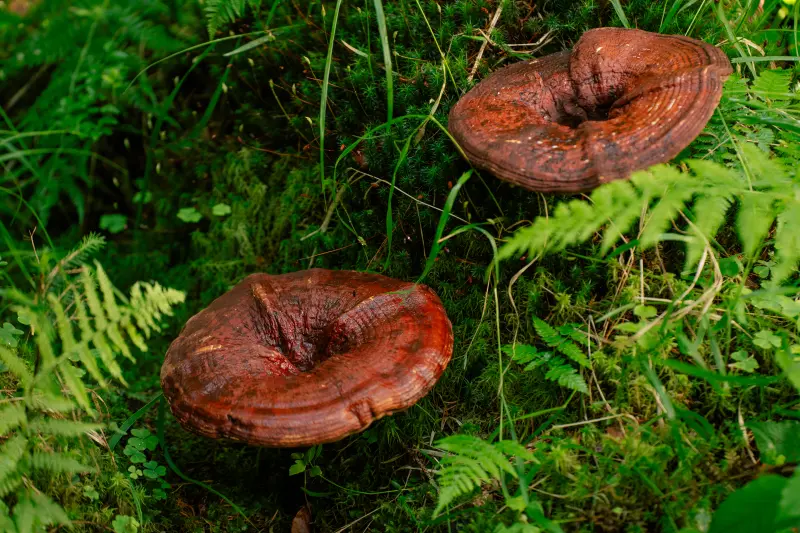
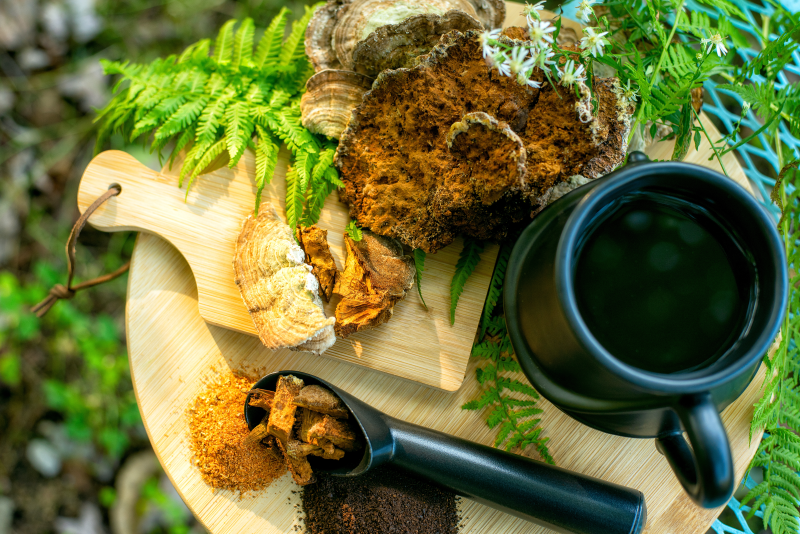
In my practice, I use two vital mushrooms for this: Cordyceps sinensis and Coriolus versicolor. Cordyceps strengthens the Kidneys, mainly their yang and essence, meaning it warms them, is strongly anti-fatigue, and stimulates the immune system and libido.
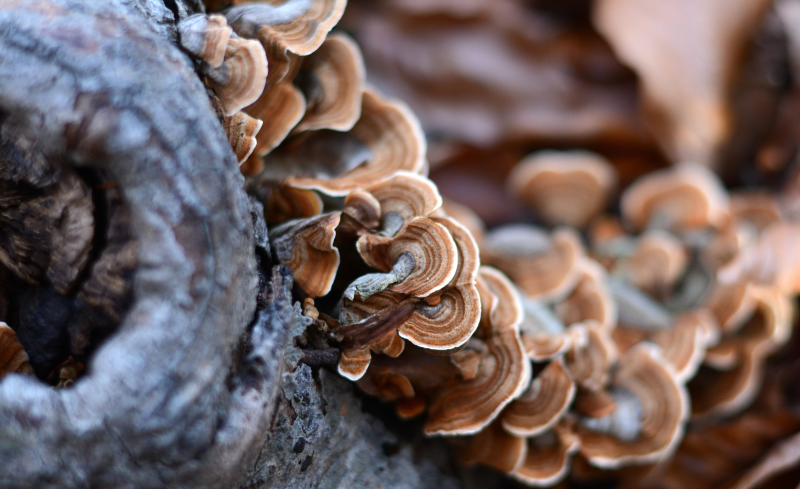
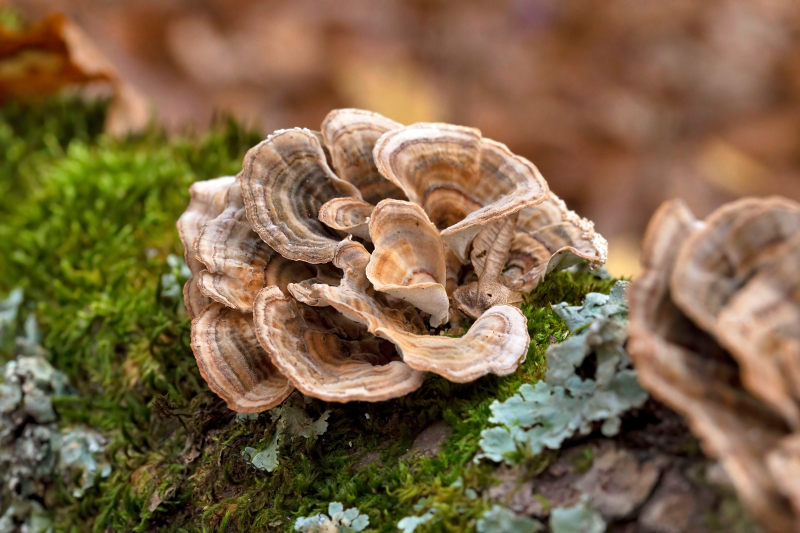
Coriolus is the strongest "killer" among vital mushrooms of any pathogens that have no place in the organism. And it does not matter to it whether they are viruses, bacteria, chlamydia, borrelia, or cancer cells. Its other undeniable advantage, which makes it sensible to use for urinary tract infections, is the fact that it regenerates mucous membranes.

It is important that women suffering from bladder infections address this problem during a period outside of an acute state – I then recommend taking Cordyceps in the morning and Coriolus in the evening.
If acute symptoms begin to appear, such as burning, cutting sensations during urination, blood in the urine, etc., then I recommend stopping Cordyceps and increasing the daily dose of Coriolus by one, while simultaneously increasing the size of individual doses. Alternatively, it is possible to add the Chinese mixture Ba Zheng San or a standard urological tea, and only use antibiotics in the most necessary cases.
For people who generally have a tendency to catch a chill, it is advisable to take Cordyceps preventively as well, especially in winter.
However, I must emphasise that there may be other causes for recurring bladder infections – e.g. damp-heat in the lower burner, Liver stagnation with accumulation of dampness, Kidney yin deficiency, etc. In that case, the therapeutic approach would naturally be different. If the problems are significant, be sure to visit a doctor.
You have certainly heard it before – it is important to eat everything warm, avoid cold foods, dress warmly, and avoid the cold.
Kidney Yang needs to be warmed and strengthened via the Spleen, i.e., by using a diet that strengthens Spleen yang. Focusing on certain foods that warm the Kidneys will also help. If the patient suffers from oedema, the diet can also be supplemented with diuretic foods, such as cooked celery or lettuce.
Recommended foods: cloves, fenugreek seeds, fennel, black pepper, cinnamon, dried ginger, rosemary, star anise, walnuts, chestnuts, pistachios, lamb, salmon, black beans, onions, leeks, chives, mussels, lamb and beef kidneys.
Foods to avoid: raw fruit and vegetables, sprouts and salads, spinach, tomatoes, soya beans, tofu, sticky (sweet) rice, millet, seaweed, excessively salty or sweet foods, dairy products, vinegar, nuts and seeds, soya milk, chilled drinks or drinks with ice.
It is also important to drink enough (but not too much) – optimally 1.5 to 2 litres per day (depending on your condition and constitution). A good trick is to sip hot water throughout the day (5 times a day, 2 dl of hot water).

Subscribe to our newsletter and you won't miss any promotions or important information