


Everyone knows that weight gain is the result of an imbalance between energy intake and expenditure. We put on weight because we consume more calories than we burn. At the same time, we do not respect the types of food we consume. Every food has a different composition, is rich in important substances in a different way, and affects our metabolism in a different way. And not only that. Different foods also have a different effect on our hormonal system, which controls whether our body will store energy or burn it. However, I want to outline weight loss from the perspective of Chinese medicine here. Sometimes, even though we follow all the rules for "correct" weight loss, the needle on the scale does not go down.
Generally speaking, being overweight is the result of an imbalance in the organism, or disharmony of certain internal organs. Let us look at where to find the cause and which organs are specifically affected. There can be several causes, but I would like to explain the most common ones in more detail.
Chinese medicine divides our organism into five elements or systems, and every part of our body - both mental and physical - belongs to one of them. First, I must mention the Spleen system and its paired organ, the Stomach.
From this perspective, the Spleen is synonymous with our digestion. Together with the Stomach, it is responsible for transforming food into Qi energy and blood. Qi and blood are the fuel for our organism (just like petrol for a car). For our body to function correctly, it must have sufficient Qi and blood. If the Spleen's energy is weakened, it transforms food poorly, produces little "fuel", and additionally creates an excess of so-called dampness, which it stores in various places in the body. And this is what we call "fat storage". Cellulite is also created by the same mechanism.
So, we have the first cause. Weight gain is most often caused by weakened Spleen energy. It is the most common problem I deal with in my practice. It is not just that people with a weakened Spleen are overweight and have various digestive problems, such as bloating or loose, mushy stools. Another typical manifestation is fatigue and exhaustion. It is usually fatigue that worsens after eating. All Qi energy concentrates on digestion, and there is none left for the rest of the body. Furthermore, such people suffer from other problems ranging from gynaecological discharge, coughs, asthma, anaemia, weakened immunity, or problems with constant overthinking. One great physician of ancient China attributed almost all diseases to a weakened Spleen. However, even contemporary Chinese medicine practitioners mention that, for example, most childhood illnesses are caused precisely by a weakened Spleen. And in practice, this is indeed the case. My many years of experience only confirm this.
Because it inherently hates some things that we like to do:
It hates irregularity, and not just in eating, but in life as a whole
We should wake up, eat, work, exercise and go to sleep regularly (at the same times). The more regularity we bring to our lives, the happier the Spleen will be. The most important thing, of course, is regularity in eating. “It doesn't matter what you eat, as long as you eat it regularly.” Chinese doctors recommend eating 2–3 times a day. Eat and then leave enough time for the Spleen to digest and restore its Qi energy. Some modern approaches advise that if you want to lose weight, you should eat every 2 hours. This is partly true. Frequent food intake gets the metabolism moving and it starts burning faster. We could say that the Spleen intensifies its activity. The problem, however, is that due to such intense activity, its Qi is depleted even more. Sometimes after a week, sometimes after a few months. And then a few bad days with “junk food” are enough and you are at a higher weight than you were at the beginning. Simply the classic yo-yo effect.
My recommendation is to eat 2 or 3 times a day, always at the same time. And no snacking between these meals. Just drink water or weak tea in moderation. At the same time, everything must be adapted to the condition of the specific person. A 40-kilo woman with hypoglycaemia cannot eat only twice a day!!! From this point of view, even long-term fasting is not entirely optimal. Conversely, modern “intermittent fasting” can bring certain benefits to the body.
It hates overeating
It is basically the same principle I described above. If we eat large portions of hearty meals, the Spleen needs a lot of Qi energy to process the excessive portions. This unnecessarily depletes its energy. It is ideal to eat until 80% full. After a meal, you should still feel a certain sense of slight hunger. But a really slight one. An excessive amount of food in combination with a weakened transformation function of the Spleen leads to another phenomenon that is related to being overweight. Food begins to stagnate. It simply moves too slowly. You probably know this as a “slow metabolism”. And just like compost in a garden starts to heat up, a slowed-down transit starts to create heat in our Stomach, and this creates a phenomenon we call “ravenous hunger”. We are simply always hungry. On one hand, we still have the need to eat, and on the other hand, the weak Spleen is slowly transforming and moving the food. And that is not a good combination for a person who wants to lose weight.
It hates dampness
Dampness, especially cold dampness (e.g., in the form of ice cream), which depletes it and contributes to the formation of further excess dampness. (This, for example, explains why swimming in cold water is a trigger for gynaecological discharge for some women). Typical examples of damp and cold foods are dairy products - milk, curd, yoghurts. And what about cold yoghurt taken out of the fridge in the morning! Butter and hard cheeses are not as much of a problem.
It hates sugar
And now, please, experts in Chinese medicine, hold off on your criticism and claims that “the Spleen actually loves sugar”. Yes, you are right, but my favourite principle of moderation applies to sugar as well. The Spleen needs sugar because it creates Qi energy from it. But not all sugar is the same. White refined sugar is called a “Qi thief”. This fast sugar sets the Spleen's activity in motion too much and at the same time depletes it very quickly. You surely know this. When you are tired and exhausted, you would give anything for a piece of something sweet that will quickly give you energy. White sugar does this reliably. If you supply the Spleen with white sugar too much, you will overwhelm and deplete it relatively quickly. And the Spleen will start producing the aforementioned pathological dampness, which will start to be stored in the form of fat.
It is actually a vicious circle; a weak Spleen produces little Qi and blood. We are tired, we feel that we quickly need fast energy. We have a distinct craving for something sweet. We have some chocolate. We feel great for a while, but after some time we are worse off than we were before. And so on and so forth. It is the same with white flour as it is with sugar. These are also essentially fast sugars that ultimately weaken the Spleen. So, remember to provide the Spleen with “slow sugars” that are dosed gradually. Ideally, whole-grain bread or cereal porridges.
It hates sitting
With a sedentary job, the kilos go up very quickly. So I recommend movement - but again, in moderation. Too intense movement depletes too much blood and Qi energy from the body, and a weak Spleen cannot manage to restore this state in a sufficiently short time. Ideal is brisk walking, Taiji or yoga. In my practice, I have already had several top athletes who exhausted themselves too much during puberty, when there is a high consumption of Qi and blood for growth. They lost their menstruation and later could not get pregnant.
It hates excessive thinking
This also weakens it. If you have a problem, you keep thinking about it, and this also weakens the Spleen Qi, and a weakened Spleen forces you to ruminate even more. Again, a vicious circle. For these states, Chinese medicine offers an excellent herbal mixture, Gui Pi Wan. Although the mixture strengthens Spleen Qi, thanks to herbs that strengthen the Heart, it has a great overlap into the psyche.

A few general rules. Adjust your diet to support the strengthening of Spleen Qi. Prefer tasty, simple meals consisting of a small number of ingredients. The basis should be complex carbohydrates supplemented with a small amount of high-quality proteins and lightly cooked vegetables. To obtain the highest quality Qi energy, I recommend choosing fresh ingredients that will please not only the palate but also the eye. Locally grown seasonal foods have the best Qi. Although every meal should be heat-treated, I do not recommend overcooking. Depending on the type of food, light boiling is usually sufficient, after which the food remains slightly crunchy. Leafy and tender vegetables only need to be lightly boiled, while root vegetables and grains will retain their shape, structure and Qi even after long, slow cooking.
Enjoy your food! The process of digestion begins in the mouth, so it is necessary to chew food thoroughly and savour it slowly.
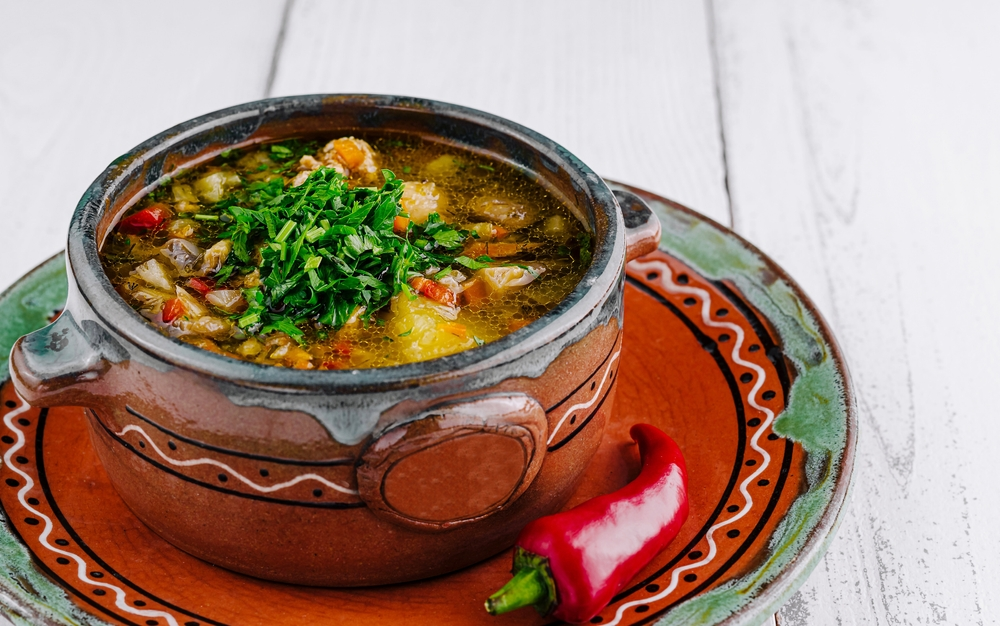
The preparation itself can have a significant impact on the overall quality of Qi and the beneficial effects of food. It goes without saying that dishes prepared with love and pleasure taste better than those bought in shops or prepared in a hurry or with reluctance. This is often the stumbling block, as not everyone enjoys cooking or has enough time for it. However, dedicating time and effort to your own nutrition is in itself an important part of the healing process. You can actively participate in strengthening the Spleen by setting aside time on weekends to prepare thick and nutritious soups, vegetable and meat broths, and juices from stewed meat and vegetables. Furthermore, this will improve your mental well-being, which also benefits the Spleen.
I say “yes” to all cooked and warm meals, and long, slow cooking:
I say “no” to excessive consumption of drinks with meals
Prefer beneficial foods:
Limit or avoid these foods:
Do not forget the principle of individuality!
It is good to keep in mind that while there are general principles for strengthening the Spleen, we are all different and the imbalances in our bodies are structured differently. One food may help one person and harm another. Therefore, use a simple rule. If you feel heavy, tired, sleepy, or suffer from bloating or diarrhoea after a meal, then it is not the right food for you. Perhaps just at this moment. In a year, it may change. Furthermore, it is necessary to prefer a different composition of food in summer and another in winter. A juicy, cold watermelon is wonderfully refreshing in the summer heat, but you should forget about it in winter.
Watch the proportions of individual food components
Easily digestible carbohydrates contained, for example, in white rice, oats, and starchy root vegetables should form the main component of the diet (approx. 40−60%). The rest should consist of cooked green, red, and yellow vegetables (30−40%) and finally a small proportion (roughly 10−20%) of high-quality proteins. This is especially important at the beginning of treatment. Only when the Spleen begins to strengthen can other foods be added. However, in the case of excess dampness in the body, the volume of carbohydrates consumed must be carefully monitored. If the Spleen has already strengthened or if we are in a hot climate, smaller amounts of leafy vegetables can also be added.
In my practice, I meet patients who eat perfectly from the perspective of Chinese medicine, yet they still have digestive problems and are unable to lose weight. Why? One of the other players that can influence our excess weight is the Liver. Although not directly. The Liver is a system highly influenced by emotions and stress. You may be familiar with the Five Element cycle. It is a representation of the relationships between individual elements or organs. Based on this arrangement, we can see that the Liver is capable of restricting the transformation function of the Spleen. In other words, stress is capable of affecting our ability to digest. This is what we call "stress eating". Stress, through the Liver, weakens the Spleen.
Weight loss is not just about the Spleen and Liver, but also about Kidney Yang. Think of Kidney Yang as the stove of the organism and the Stomach with the Spleen as the pot in which soup is being cooked. If the fire in the stove is weak, the soup will not cook well and the Spleen will not extract as much energy from it as it would if the flame were sufficient and the soup were cooked properly. Furthermore, a cold stove cools down the Spleen. And we already know that the Spleen dislikes cold, because it then digests slowly. Therefore, weak Kidney Yang slows down the digestive process. That is why Chinese medicine recommends eating warm breakfasts to kick-start the Spleen's transformation function (metabolism) first thing in the morning. Good starters include grain porridges, soups, or at least warm tea.
Now you know why weight loss is so challenging. You know that the foundation is to strengthen the Spleen by changing eating habits and the composition of your diet (and, in essence, by changing your overall lifestyle). Chinese medicine says: "Diet can do a lot of harm, but it can only help a little (or rather, slowly)."
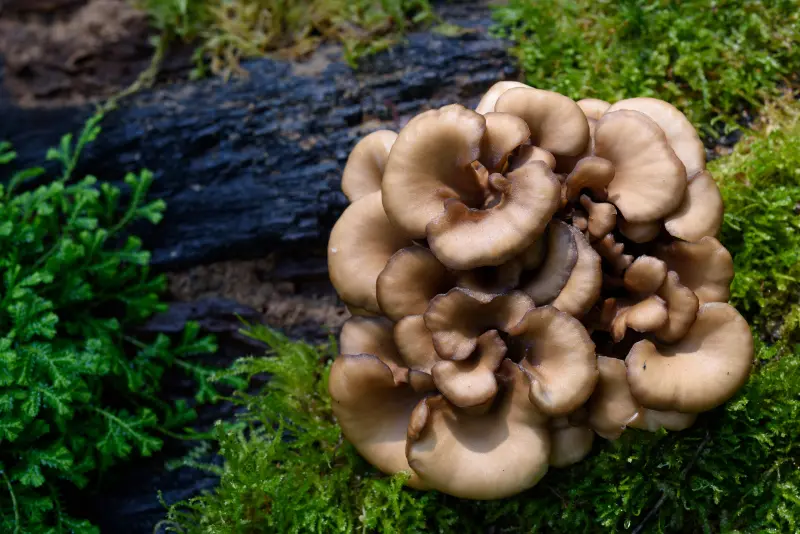
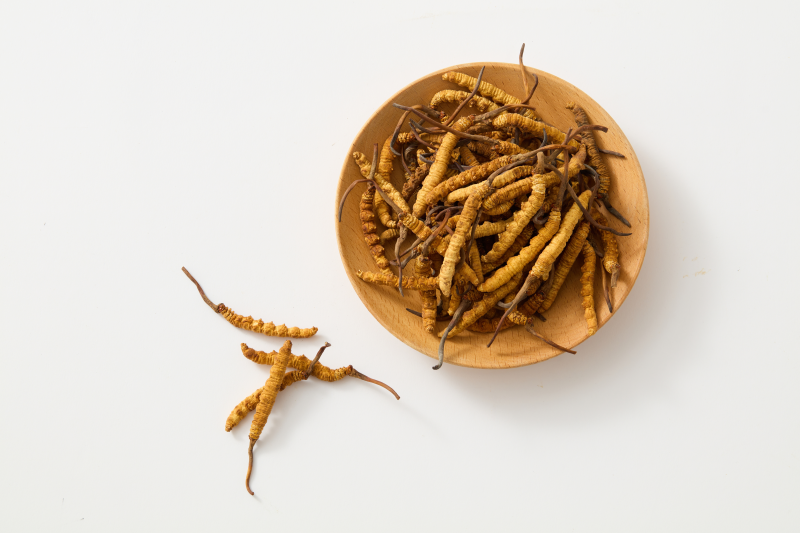
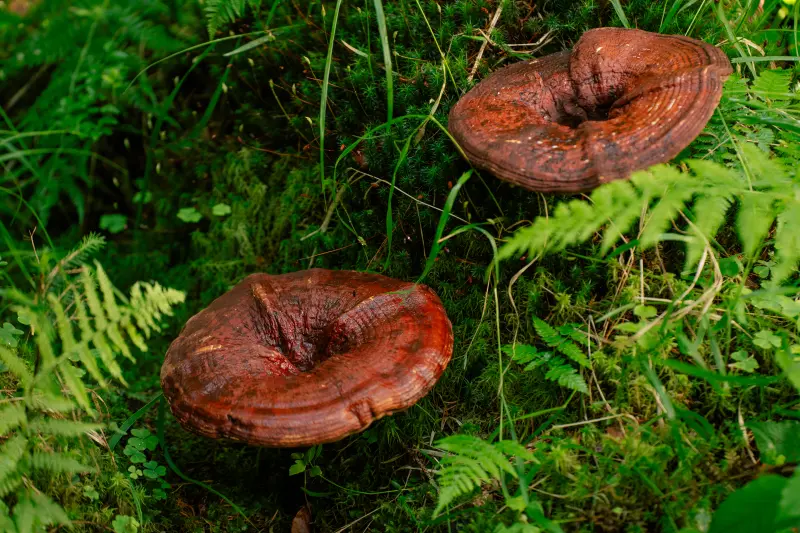
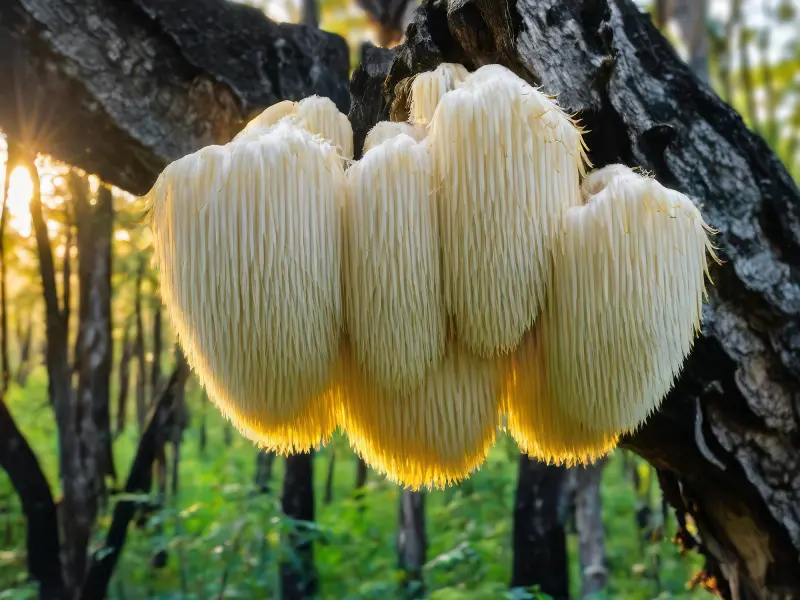
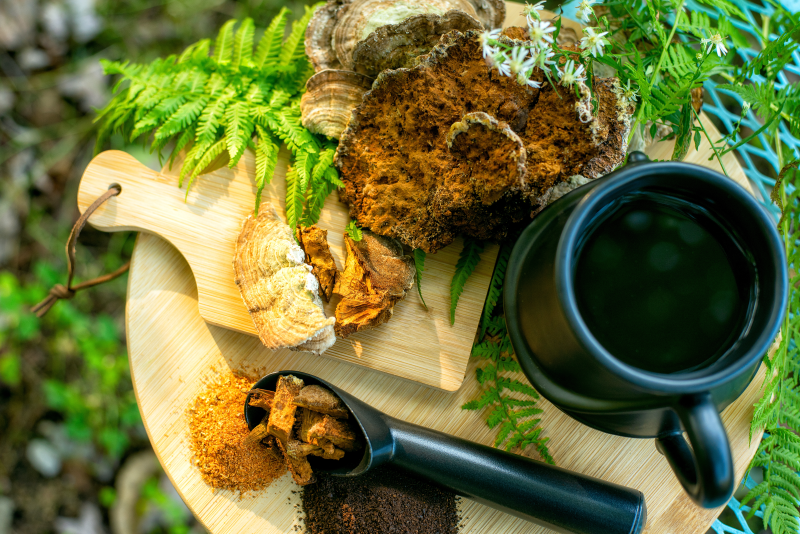
Herbs and mushrooms are good helpers, but do not forget that the most important thing is our diet and overall lifestyle.

Subscribe to our newsletter and you won't miss any promotions or important information