


Right at the beginning, I would like to emphasise that the information in this text is based on my own knowledge and experience, which I have gathered over 20 years as a practitioner of Traditional Chinese Medicine. It is clear to me that other practitioners and customers may have different experiences, and I certainly do not wish to dispute them with this text.
This article has a single goal – to help readers navigate the wide range of different products made from Reishi. Understanding this issue is not easy. Reishi is processed in various ways today, and there is an endless number of products of varying quality on the market. For instance, one of the quality brands, MycoMedica, offers Reishi in six variants (including a tincture under the YaoMedica brand), and that is not even mentioning that Reishi is a component of several other combined products (blends).
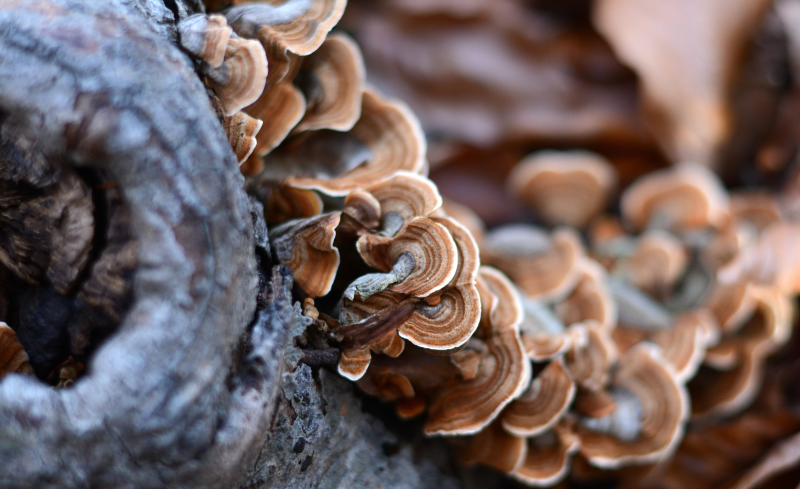
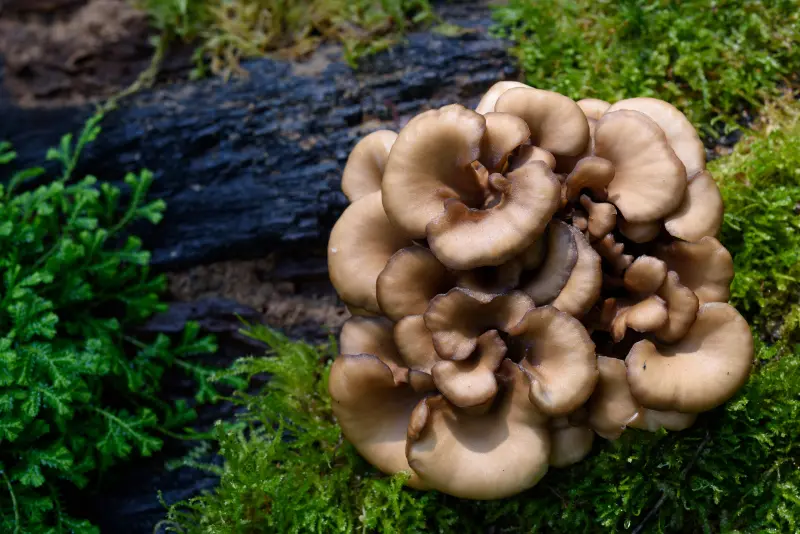
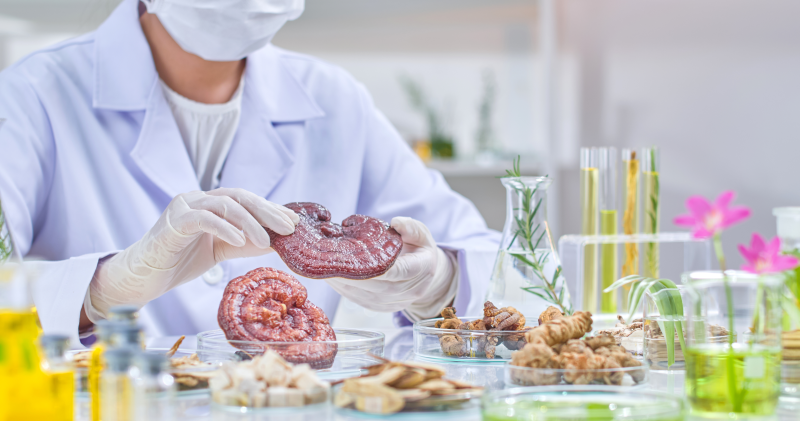
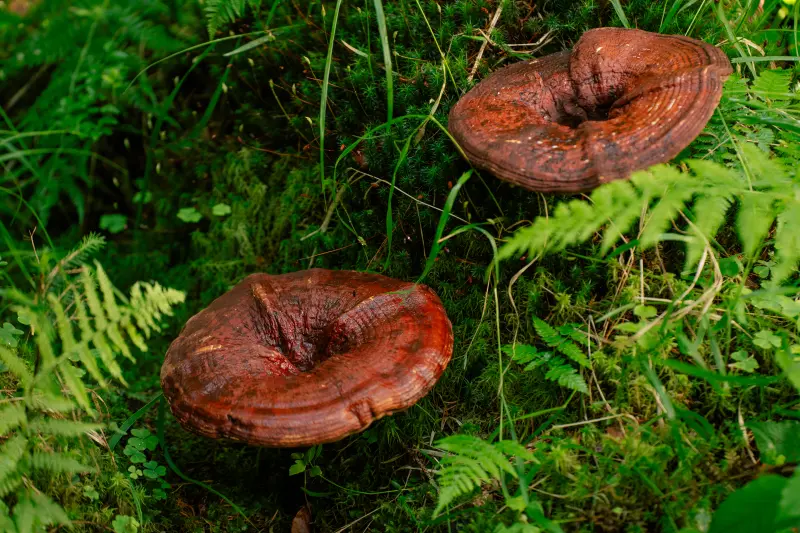
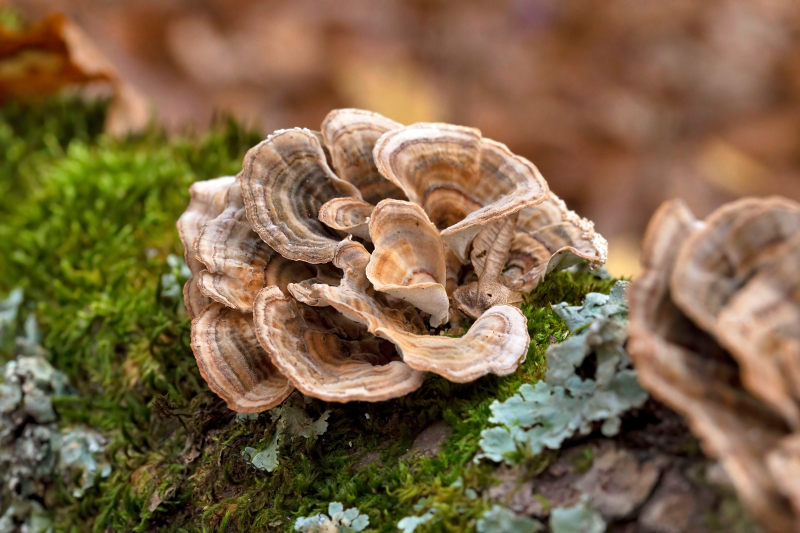
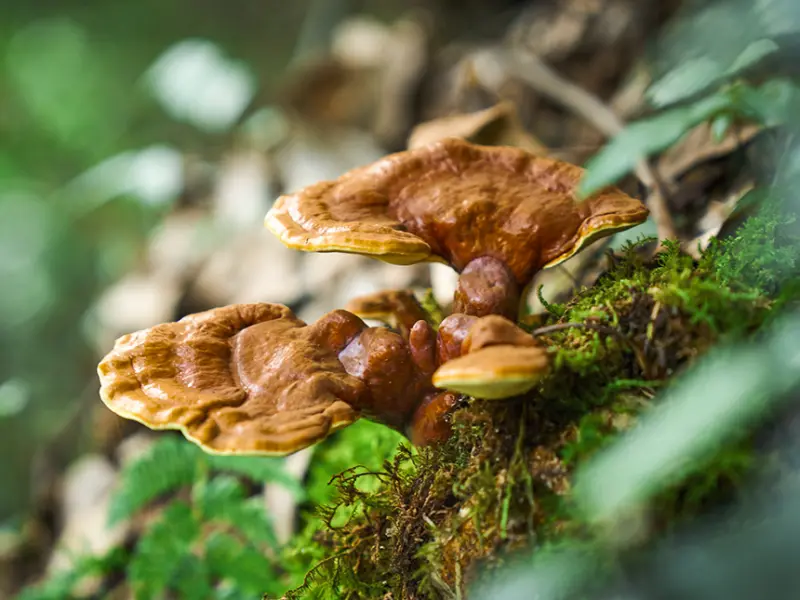
You may know it by its Czech name lesklokorka lesklá, its Chinese name Ling Zhi, or its Latin name Ganoderma lucidum. Reishi is a polypore wood-decay fungus that parasitises dead tree trunks. It is native to Asia, where it is also called the "divine mushroom of immortality". It is an integral part of Traditional Chinese Medicine, which has been using it for more than 4,000 years. Reishi is also mentioned in the fundamental works of Traditional Chinese Medicine – in the Yellow Emperor's Inner Canon or Shen Nong's Herbal. It was so rare that only the emperor and his family were allowed to use it.
Reishi also grows in many places in the Czech Republic. There are about 200 species of Reishi in nature. However, only Ganoderma lucidum contains an exceptional complex of active substances that are so beneficial to humans.
Reishi is one of the most amazing mushrooms that man has been using since ancient times.
Reishi has perhaps the widest spectrum of effects of all mushrooms:
According to Chinese medicine, Reishi replenishes Qi (energy) and nourishes Xue (blood), calms the Shen (spirit, psyche), transforms Tan (phlegm), and strengthens Jing (Kidney essence).
Reishi grows in many places in the temperate zone of the northern hemisphere, however, most products that you buy as a food supplement use raw material originating from China. And this is where you should be alert. You probably know that mushrooms are very susceptible to the environment in which they grow. Much more so than herbs. That is why it is extremely important that Reishi grown in an ecologically clean environment is used as the source of raw material for production. Which costs money. And there is always someone who wants to make money quickly and with the lowest possible costs. A good manufacturer should definitely know the source of their raw material.
The quality of the raw material is crucial for mushrooms. We want it to support our immune system, not to clog it with further impurities. Therefore, in addition to the origin of the raw material, it is necessary to know its safety. It is essential that the manufacturer of mushroom products tests the mushroom raw material for heavy metals, pesticides, radioactivity, and microorganisms dangerous to humans. There are not many manufacturers who carry out such extensive testing in the Czech Republic. Classic tests for contaminants are often extended to include testing for polycyclic aromatic hydrocarbons (PAHs), which can have carcinogenic effects and can affect foetal development. They may also be linked to cardiovascular diseases.
A mushroom consists of mycelium and a fruiting body (primordium). Mycelium is generally not used for the production of supplements because it is difficult to separate the mycelium itself from parts of the wood or substrate on which the mushroom grows during processing. Therefore, the fruiting body is most commonly used. This is the part that grows above ground.
Mycelium resembles the network of meridians (acupuncture channels) in our organism. According to Chinese medicine, Qi energy flows through the meridians. At a certain point in the meridian, the energy concentrates and moves towards the surface. This is exactly how acupuncture points are formed, through which an experienced therapist is able to influence various processes in our organism. Similarly, in mycelium, energy concentrates and moves towards the surface in the form of a fruiting body. In the fruiting body, the energy of the mushroom is extremely concentrated.
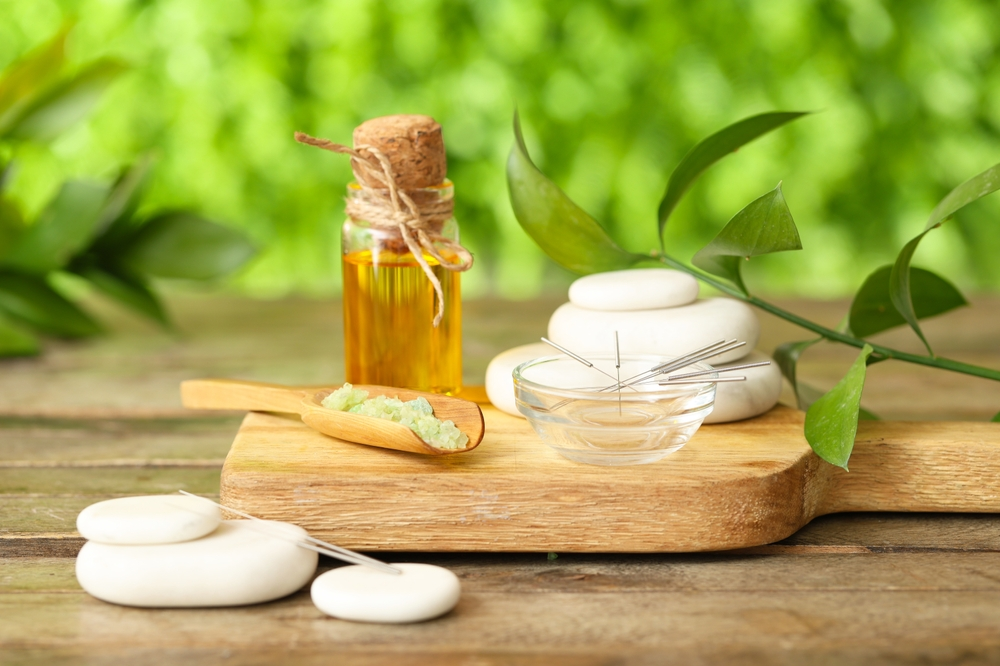
Farmers grow Reishi either on the trunks of deciduous trees or on a sawdust substrate. I have not seen a study anywhere that compares both methods. However, cultivation on trunks is more in line with its natural state.
The farmers themselves state that the optimal cultivation period is between 6 to 9 months. If the cultivation period is shorter, the Reishi will not contain a sufficient amount of active substances, and conversely, the older the mushroom, the heavier (and more expensive) it is, but according to the farmers' experience, a longer cultivation period does not increase the amount of active substances in the mushroom in any way.
The fungal cell body is made of chitin, which is a substance that our digestive system cannot digest. On the contrary, chitin is responsible for digestive problems that can occur if we eat thermally unprocessed mushrooms. Therefore, if we want to utilise the active substances that are "locked" inside the fungal cell, we must first process the mushroom correctly.
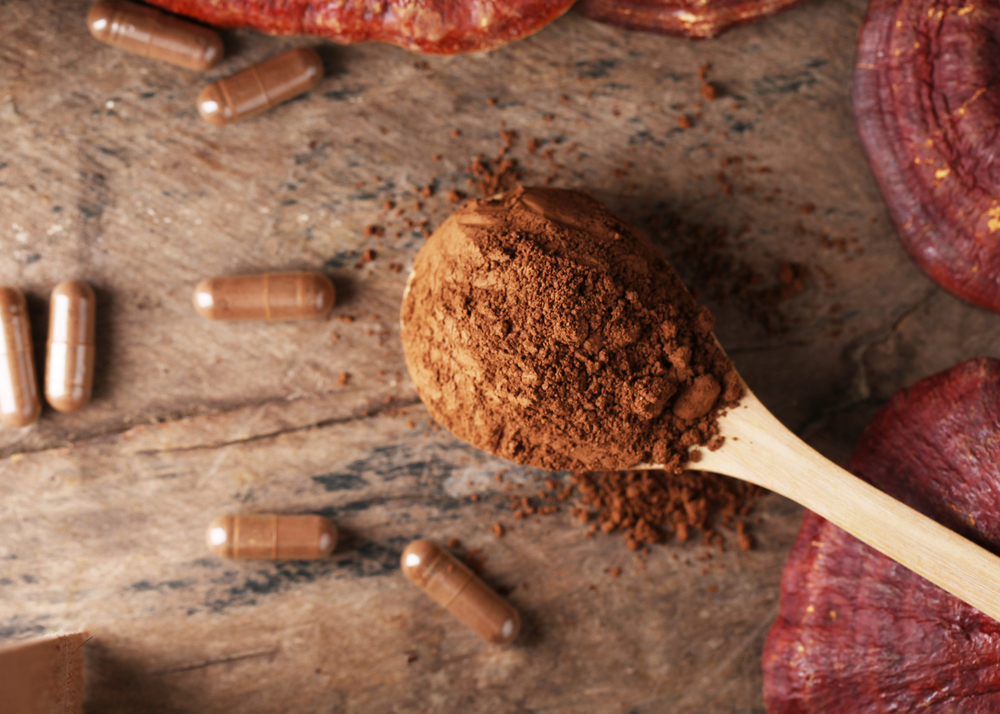
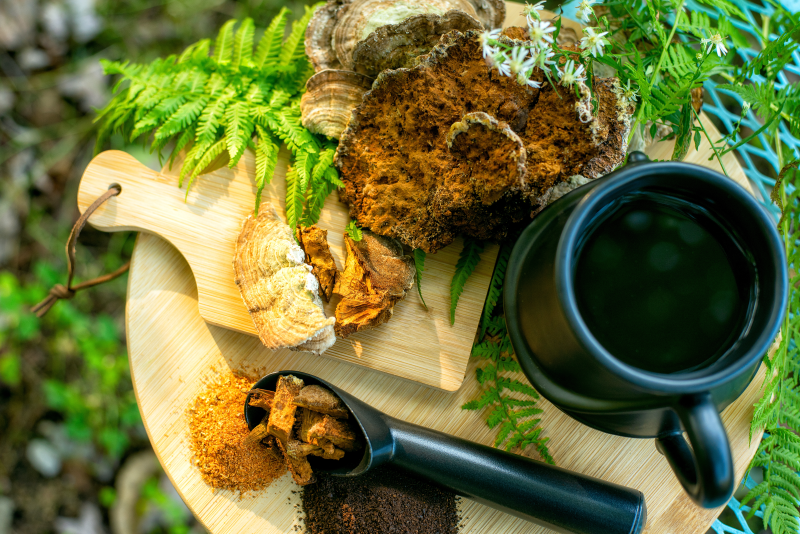
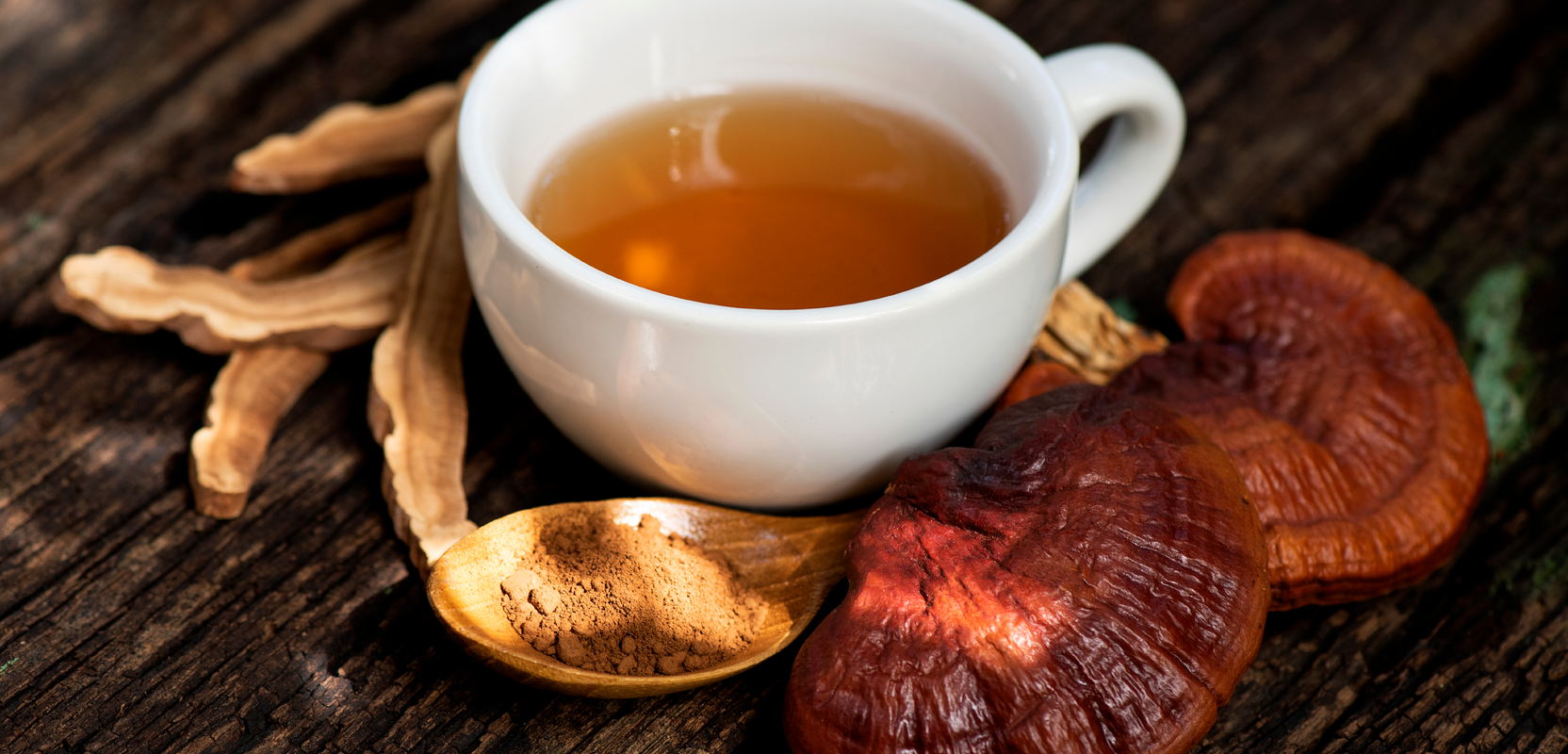
a) decoctions from dried Reishi – a traditional method of processing. 100 g of Reishi is boiled in about half a litre of water for half an hour. Boiling releases the chitin barriers and flushes out the active substances.
b) tincture from Reishi – Reishi is usually macerated in 50% alcohol for one month. Because we want to utilise both polysaccharides and triterpenes, it is necessary to perform essentially a double extraction even in home conditions.
c) powder from Reishi – the mushroom is ground into a very fine powder in special mills using the shellbroken method. This mechanically disrupts the chitin barrier.
d) hot water extraction – release of the chitin barrier while simultaneously increasing the concentration of active substances. The result is a loose extract.
e) lyophilisation – the mushroom is processed by freeze-drying.
In my practice, I most often use mushroom extracts in capsules standardised to 30% polysaccharides.
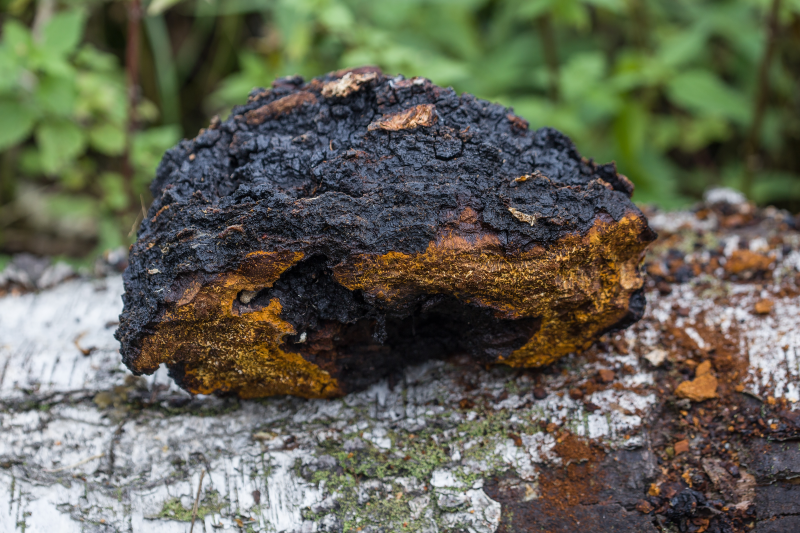
Reishi also contains substances that are insoluble in water. They do not dissolve even by boiling. A typical example is triterpenes. Reishi contains 120 types of triterpenes, of which 80 types are physiologically active. This is not found in any other mushroom. If we want our body to be able to utilise them, it is necessary to use another extraction after the hot water extraction, namely with alcohol. The same procedure is used for the Chaga mushroom. For other mushrooms, this procedure is unnecessary and is not used.
Reishi contains a large amount of bioactive active substances. The main ones are mushroom polysaccharides. Part of the polysaccharides are the highly sought-after mushroom beta 1,3/1,6 glucans. In addition to polysaccharides, the mushroom also contains many other bioactive substances, such as the aforementioned triterpenes, vitamins, enzymes, minerals, as well as steroids, cyclic lactone esters, etc.
It would be ideal to have a product in which the ratio of active substances is the same as in the raw mushroom. However, the raw mushroom contains only 0.5–1.5% polysaccharides. Not to mention the problems with chitin mentioned above. In my opinion, therefore, the optimal method of processing is extraction. Extraction breaks down the chitin barrier and increases the concentration of active substances. However, the more we concentrate the resulting extract, for example on polysaccharides (or some other active substance), the more other active substances will decrease. And the more the resulting product will move away from the natural form of Reishi that grows in the forest. The resulting product does not have to be bad, but it will no longer function as natural Reishi. In my opinion, extraction is a suitable form of processing, but it is necessary to find the optimal ratio. In these cases, "more does not mean more".
In my opinion, the optimal ratio is an extract with 30% polysaccharides. For example, I hardly ever use a 50% Reishi extract in practice. At most, sometimes for top-level athletes.
There are certainly many high-quality manufacturers on the market, but unfortunately also many dishonest ones. It is good to be a little cautious when choosing and to find out all the necessary information I wrote about above before purchasing. The final decision is, of course, up to each of you.
Prepared by: Milan Schirlo – Traditional Chinese Medicine therapist MilanSchirlo.cz

Subscribe to our newsletter and you won't miss any promotions or important information