

Please note that the information provided below is the personal opinion of Mr Milan Schirlo, who is a therapist and an advocate of traditional Chinese medicine and a healthy lifestyle. Mr Schirlo does not promote any specific products or manufacturers of food supplements. Furthermore, this article is not connected to the sale of any products. The information is provided for the purpose of disseminating publicly available knowledge, conclusions of expert studies, awareness, and personal findings regarding vital mushrooms and a healthy lifestyle.
For legislative reasons, I cannot provide some information. Therefore, the text is missing for some points. I am working on republishing it. Thank you for your understanding.
Latin: Poria cocos, Wolfiporia extensa
Czech: Pórnatka kokosová
Chinese: Fu Ling
Japanese: Bukuryo
English: Hoelen
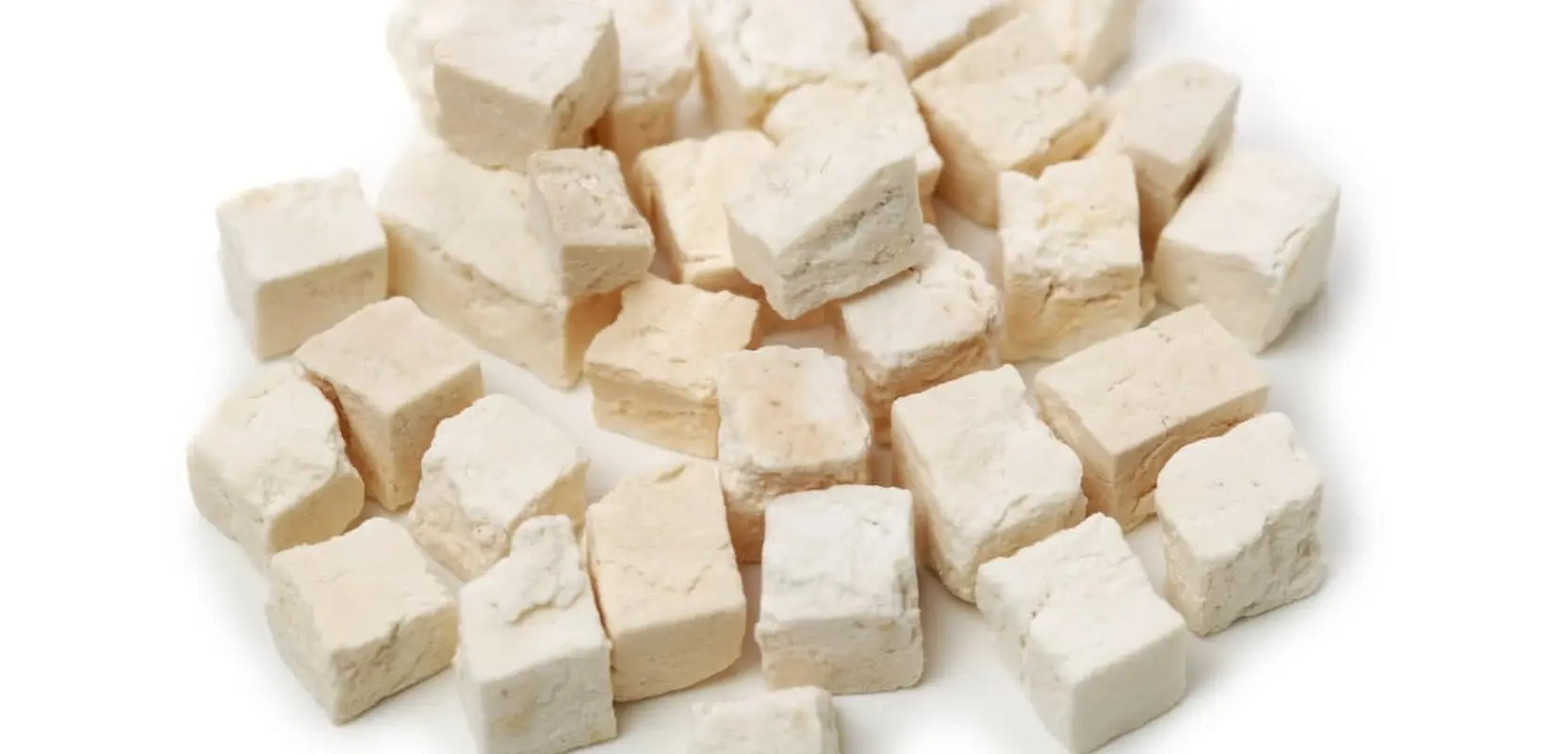
Poria cocos (Wolfiporia extensa, Poria cocos, Fu Ling) is an edible mushroom belonging to the order Polyporales, family Polyporaceae. It is a wood-decay fungus that grows mainly on injured trees, fallen trunks, stumps, etc. It prefers pine trees. Interestingly, the fungus creates long-lived underground sclerotia that resemble coconuts. Sclerotia can be up to 30 cm in diameter and weigh more than 1 kg. The colour of the sclerotia is most often light brown.
The mushroom prefers a subtropical climate with higher humidity. Its home is East and Southeast Asia. It grows abundantly in China, Vietnam, and Thailand.
In China, it is known as Fu Ling and has been used there as a medicinal plant within traditional Chinese medicine for more than 2000 years. It is mentioned in the most famous Chinese herbal, Sheng Nong Ben Cao Jing, and also in the work Shi Jing from the 11th century BC. It is used alone or in combination with other herbs and mushrooms. Described effects include improving blood formation, use in the treatment of eye diseases, strengthening the spleen and kidneys, and calming the nerves, etc.
Nature (Si Qi): balanced
Taste (Wu Wei): sweet, bland
Tropism (Gui Jing): heart, spleen, kidneys, lungs, small intestine
1, Regulates water
2, Strengthens Spleen Qi
3, Calms the spirit (An Shen), strengthens Heart Qi
a, Mushrooms in the form of extracts (recommended form of use)
If you are taking mushrooms in the form of 30% extracts, I recommend:
Preventive use
For milder health problems
For more serious health problems
b, Mushrooms in tincture
c, Mushrooms in the form of powder (biomass)
d, Dried mushrooms
Poria cocos contains a large amount of bioactive substances. We will mention the most important of them.
As with all mushrooms, the dry matter of Poria cocos is composed mainly of sugar compounds. These are both simple sugars, i.e., monosaccharides, e.g., glucose, fucose, arabinose, xylose, galactose, mannose, and complex sugars, i.e., polysaccharides. Among polysaccharides, beta-glucans dominate in their importance, both in the branching of the main chain at position 3 and at position 6: β(1→3) and β(1→6). It is also necessary to mention the unique polysaccharide carboxymethylated pachymaran. It is well soluble in water, and thus approx. 98% of the used dose is absorbed from the intestine. It is most often administered in the form of a solution.
Polysaccharides mainly have immunostimulatory effects. However, they can also neutralise free radicals, lower blood sugar values, and kill tumour cells.
Various solutions and fractions are created, depending on what "solvent" is used, there are different types of polysaccharides in the solution. The most famous standardised fractions are: WPS (NaOH-HAc), PAP (1 mol/L NaOH), PCP2 (hot water), PCP1 (0.9% NaCl), PCP3-I and PCP3-II (0.5 mol/L NaOH), PCP4-I and PCP4-II (88% formic acid).
Triterpenes are bioactive compounds that give the mushroom a bitter, pungent taste. They have antioxidant, immunomodulatory, anti-tumour, and antimicrobial effects. A large amount of triterpenes is found in Poria cocos, the most famous are, for example:
The mushroom also contains fatty acids, sterols, enzymes, minerals (calcium, potassium, magnesium, iron), and vitamins.
Wang D, Huang C, Zhao Y, et al. Comparative Studies on Polysaccharides, Triterpenoids, and Essential Oil from Fermented Mycelia and Cultivated Sclerotium of a Medicinal and Edible Mushroom, Poria Cocos. Molecules. 2020;25(6):1269. Published 2020 Mar 11. doi:10.3390/molecules25061269
Poria cocos exhibits many effects; we will mention the most significant ones in the following text.
Poria cocos, like other mushrooms, exhibits anti-tumour effects, mainly thanks to polysaccharides and terpenes. In China, polysaccharides from Poria cocos in the form of a solution have been produced since 1970. In 2015, the solution "Polysaccharidum of Poria cocos oral solution" was approved by Chinese authorities (Chinese Food and Drug Administration) for the treatment of some types of cancer and as a supplement mitigating the effects of chemo- and radiotherapy. The preparation was patented in 2006 by the Hunan Butian pharmaceutical company. The main component of the solution (95%) is carboxymethylated.
In experiments directly on cell cultures, a direct toxic effect was demonstrated. The mushroom is added to tumour cells and the state of the cells is monitored. They stop multiplying and die (cell cycle arrest and initiation of apoptosis occur); this happened in breast, liver, lung, stomach, pancreatic, and leukaemia cancer cells. It is important that when using components of Poria cocos on healthy cells, the toxicity is minimal, or rather, the dose that kills tumour cells does not harm healthy ones.
Anti-tumour effects were also demonstrated in animals, most often in rodents. Animals with cancer are divided into two groups and one of them is given the mushroom or a component of the mushroom. Tumour growth and metastasis are compared between the groups. For example, pachymic acid significantly limited the growth of breast carcinoma (the tumour weighed approx. 0.51 g, while in animals without pachymic acid it grew to a weight of approx. 1.22 g).
In another study, it was proven that the administration of polysaccharides from Poria cocos limits the growth of subcutaneous sarcoma in mice by 96% compared to the group of mice that did not use Poria cocos.
In another study with mice, this time with stomach cancer, the synergistic effect of Poria cocos and chemotherapy was confirmed. In mice that received a combination of Poria cocos and oxaliplatin, there was a significantly greater reduction in the tumour than in mice with oxaliplatin alone.
However, Poria cocos does not only have a direct anti-tumour effect, but also an indirect one, through the activation of the immune system, i.e., anti-tumour immunity, e.g., pachymaran increases the division and activity of cytotoxic T lymphocytes and macrophages.
Jiang Y, Fan L. Evaluation of anticancer activities of Poria cocos ethanol extract in breast cancer: In vivo and in vitro, identification and mechanism. J Ethnopharmacol. 2020 Jul 15;257:112851. doi: 10.1016/j.jep.2020.112851.
Li X, Ma L, Zhang L. Molecular basis for Poria cocos mushroom polysaccharide used as an antitumor drug in China. Prog Mol Biol Transl Sci. 2019;163:263-296. doi: 10.1016/bs.pmbts.2019.02.011.
Cheng S, Eliaz I, Lin J, Thyagarajan-Sahu A, Sliva D. Triterpenes from Poria cocos suppress growth and invasiveness of pancreatic cancer cells through the downregulation of MMP-7 [published correction appears in Int J Oncol. 2014 May;44(5):1781. Thyagarajan-Sahu, Anita [added]]. Int J Oncol. 2013;42(6):1869-1874. doi:10.3892/ijo.2013.1902
Ríos JL. Chemical constituents and pharmacological properties of Poria cocos. Planta Med. 2011 May;77(7):681-91. doi: 10.1055/s-0030-1270823.
Li X, He Y, Zeng P, et al. Molecular basis for Poria cocos mushroom polysaccharide used as an antitumour drug in China. J Cell Mol Med. 2019;23(1):4-20. doi:10.1111/jcmm.13564
Nie A, Chao Y, Zhang X, Jia W, Zhou Z, Zhu C. Phytochemistry and Pharmacological Activities of Wolfiporia cocos (F.A. Wolf) Ryvarden & Gilb. Front Pharmacol. 2020;11:505249. Published 2020 Sep 15. doi:10.3389/fphar.2020.505249
Poria cocos gets along very well with the immune system. It can improve its functioning, i.e., strengthen it in the fight against tumour cells and mitigate its activity in allergic or autoimmune inflammation.
The effect of Poria cocos is tested directly on immune cells, i.e., how they behave in the presence of Poria cocos. Addition to monocytes/macrophages leads to an increase in their activation, the ability to engulf foreign and harmful material, and increases the production of cytokines that strengthen further immune response, e.g., TNF-α, IL-1β, IL-6, IFN-γ. It was also confirmed that the addition of polysaccharides to the flu vaccine increases its effectiveness in mice, including the creation of necessary antibodies.
In studies, a precisely standardised preparation Lipucan®, which contains lanostane triterpenoids, was also used. Mice were given different doses and the effect was compared with the values of mice that did not receive the preparation. Administration stimulated NK cells, which also produced more interferon gamma, which is an important player in the defence reaction against infections.
Interferon gamma values in the control group of individual doses:
6807.6 ± 2541.6 b | 6677.6 ± 2153.5 b | 7551.4 ± 2083.6 b | 10126.5 ± 3349.3 ab | 11534.3 ± 4907.1 a |
Anti-inflammatory effects:
In the case of allergies, there is increased activity of the immune system, immediate reactions develop, but also lasting damaging allergic inflammation. The activity of Th2 lymphocytes, eosinophils, and mast cells increases, and IgE antibodies are produced. In one study, the authors described the effect of Poria cocos on atopic dermatitis and food allergy in mice. Administration of a polysaccharide solution significantly reduced symptoms (skin inflammation, size of lesions, diarrhoea, anaphylactic reaction...). The authors then found that this is due to an increase in the number of regulatory T lymphocytes (Treg), which mitigate and stop inflammatory reactions. The suppressive effect was also captured in an experiment with mice with allergic asthma. Here, too, the preparation The prevalence of allergic disorders including atopic dermatitis (AD) and food allergy (FA) has increased dramatically in pediatric populations, but there is no effective drug available for their management. Therefore, trials are required for the development of safe therapeutic agents such as herbal medicines. We determined whether orally administered Poria cocos bark (PCB) extract could exert immunosuppressive effects on allergic and inflammatory symptoms of AD and FA. For both AD, which was induced using house dust mite extract, and FA, which was induced by exposure to ovalbumin, model mice were orally treated with PCB extract for 62 days and 18 days, respectively. We also investigated the inductive effect of PCB extract on the generation and maintenance of Foxp3+CD4+ regulatory T cells (Tregs). The symptoms of AD and FA were ameliorated by the administration of PCB extract. Furthermore, PCB extract inhibited the Th2-related cytokines and increased the population of Foxp3+CD4+ Tregs in both AD and FA models. In ex vivo experiments, PCB extract promoted the functional differentiation of Foxp3+CD4+ Tregs, which is dependent on aryl hydrocarbon receptor activation. Thus, PCB extract has potential as an oral immune suppressor for the treatment of AD and FA through the generation of Tregs.Lipucan®. Administration led to a reduction of inflammation in the airways, reduced the amount of pro-inflammatory eosinophils in lung tissue, and IgE values. The extract, on one hand, suppressed pro-allergic Th2 reactions, and on the other, strengthened Th1 reactions, including the production of interferon gamma.
Poria cocos also proved to be a good helper in the case of non-specific intestinal inflammation, which includes ulcerative colitis and Crohn's disease. Both diseases are chronic inflammation that seriously damages the intestine and reduces the quality of life of patients. In studies with mice with colitis, the administration of extract with beta-glucans led to a reduction of inflammation and an increase in the concentration of anti-inflammatory cytokines, both in the blood and the intestinal mucosa.
Nie A, Chao Y, Zhang X, Jia W, Zhou Z, Zhu C. Phytochemistry and Pharmacological Activities of Wolfiporia cocos (F.A. Wolf) Ryvarden & Gilb. Front Pharmacol. 2020;11:505249. Published 2020 Sep 15. doi:10.3389/fphar.2020.505249
Li X, He Y, Zeng P, et al. Molecular basis for Poria cocos mushroom polysaccharide used as an antitumour drug in China. J Cell Mol Med. 2019;23(1):4-20. doi:10.1111/jcmm.13564
Chao CL, Huang HW, Su MH, Lin HC, Wu WM. The Lanostane Triterpenoids in Poria cocos Play Beneficial Roles in Immunoregulatory Activity. Life (Basel). 2021;11(2):111. Published 2021 Feb 1. doi:10.3390/life11020111
Bae MJ, See HJ, Choi G, Kang CY, Shon DH, Shin HS. Regulatory T Cell Induced by Poria cocos Bark Exert Therapeutic Effects in Murine Models of Atopic Dermatitis and Food Allergy. Mediators Inflamm. 2016;2016:3472608. doi:10.1155/2016/3472608
Chao CL, Wang CJ, Huang HW, Kuo HP, Su MH, Lin HC, Teng CW, Sy LB, Wu WM. Poria cocos Modulates Th1/Th2 Response and Attenuates Airway Inflammation in an Ovalbumin-Sensitized Mouse Allergic Asthma Model. Life (Basel). 2021 Apr 21;11(5):372. doi: 10.3390/life11050372.
Free radicals are created in the body even under normal conditions, e.g., during glucose metabolism or mitochondrial function. However, it is an amount that the body can neutralise, using antioxidants or antioxidant enzymes (glutathione peroxidase, superoxide dismutase...). When pathological processes take place in the body, infection, inflammation, exposure to harmful substances, etc., are present, increased production of free radicals occurs, which exceeds the organism's capacity to neutralise them. Free radicals then react with large molecules, e.g., fats in cell membranes (lipid peroxidation), but also with DNA, and strengthen inflammation. Free radicals are linked to tumour diseases and the acceleration of the degeneration of the organism. It is therefore necessary to add antioxidants to the diet. Components of Poria cocos have antioxidant effects, both polysaccharides and terpenes. They can remove superoxide and hydroxyl radicals, and furthermore, Poria cocos increases the production and activity of superoxide dismutase and glutathione peroxidase. Thereby, it protects cells in cell culture. If they are exposed to free radicals, they die, but if they are also exposed to Poria cocos, they can survive. For example, lipid peroxidation in the cell membrane was significantly reduced.
Tang J, Nie J, Li D, Zhu W, Zhang S, Ma F, Sun Q, Song J, Zheng Y, Chen P. Characterization and antioxidant activities of degraded polysaccharides from Poria cocos sclerotium. Carbohydr Polym. 2014 May 25;105:121-6. doi: 10.1016/j.carbpol.2014.01.049.
Wu S., Ng L., Lin C. (2004). Antioxidant activities of some common ingredients of traditional chinese medicine, Angelica sinensis, Lycium barbarum and Poria cocos. Phytother. Res. 18 (12), 1008–1012. 10.1002/ptr.1617
Shuiming CHENG, Yuan GUI, Si SHEN, Wen HUANG. The Antioxidant Activity of Triterpenes in the Peels of Poria cocos. Medicinal Plant. 2013;4(8):38-44.
Wang, Y., Wang, G., Yi, X., Zhang, J., & He, X. (2017). Hepatoprotective and Antioxidant Effects of Total Triterpenoids from Poria cocos. European Journal of Medicinal Plants, 21(2), 1-9. https://doi.org/10.9734/EJMP/2017/37908
The kidneys are burdened organs, as they excrete toxic substances or drugs from the body, which can also damage them. The kidneys also suffer from insufficient hydration or, in diabetics, from increased blood sugar levels.
Poria cocos can reduce oxidative stress and inflammation, thereby also reducing kidney damage. In experiments on rats, this effect was confirmed. The rats' kidneys were damaged, their function decreased, which was accompanied by an increase in creatinine and urea levels in the blood; long-term damage also led to fibrotisation (scarring and remodelling of the kidneys). Administration of Poria cocos components mitigated this kidney impairment and reduced the risk of fibrosis.
Reduction of inflammation and support of function was also confirmed after kidney transplantation in rats. A problem after transplants is often the rejection of organs due to the immune system's rejection reaction and the non-restoration of kidney function. If Poria cocos was administered to the rats, the survival time of the transplanted organ was prolonged. Pathological changes and disruption of kidney function appeared later even without immunosuppressants.
In another study, the effect of pachyman was tested as a prevention of the worsening of autoimmune nephritis (inflammation of the kidneys with antibodies to the glomerular basement membrane). With this disease, the kidneys are slowly damaged and lose their function. In rats that received pachyman, the kidneys were better protected and maintained their ability not to let protein into the urine. Closer examination of the kidney tissue showed that pachyman reduces the deposition of the complement component C3 in the glomeruli, and thus also inflammation and changes in the kidneys.
According to the results of studies on rats, Poria cocos is also a strong diuretic, i.e., it increases urine excretion. There is an increase in sodium excretion, which also pulls water with it. This effect can be used, for example, in oedema or in the treatment of high blood pressure from the accumulation of fluids in the organism
Chen D., Feng Y., Chen L., Liu J., Wang M., Vaziri N., et al. (2019). Poricoic acid A enhances melatonin inhibition of AKI-to-CKD transition by regulating Gas6/AxlNFκB/Nrf2 axis. Free Radical Biol. Med. 134, 484–497.
Ding CG, Tian PX, Xue WJ. [Preventive effect of poria cocos on acute rejection of renal transplantation in rats]. Zhongguo Zhong Xi Yi Jie He Za Zhi. 2010 Mar;30(3):308-11. Chinese. PMID: 20535934.
Hattori T, Hayashi K, Nagao T, Furuta K, Ito M, Suzuki Y. Studies on antinephritic effects of plant components (3): Effect of pachyman, a main component of Poria cocos Wolf on original-type anti-GBM nephritis in rats and its mechanisms. Jpn J Pharmacol. 1992 May;59(1):89-96. doi: 10.1254/jjp.59.89. PMID: 1507662.
Hu G., Huang C., Zhang Y., Xiao W., Jia J. (2017). Accumulation of biomass and four triterpenoids in two-stage cultured Poria cocos mycelia and diuretic activity in rats. Chin. J. Natural Medicines 15 (4), 265–270. 10.1016/S1875-5364(17)30043-2.
The liver, like the kidneys, is exposed to substances that can damage it. Although it has a large regenerative capacity, permanent damage can occur.
Many studies with substances that damage the liver show that Poria cocos mitigates their negative influence on the liver. For example, experiments with acetaminophen, which damages the liver in high doses. If mice also received Poria cocos, liver damage was milder. Liver enzyme values in the blood (ALT) and pro-inflammatory cytokines IL-6, TNF alpha increased less.
Alcohol is also a great burden for the liver. In an experiment with mice, the protective effect of Poria cocos was proven. Administration of Poria cocos before alcohol consumption led to a reduction in liver damage. Poria cocos protected against oxidative stress and inflammation and damage to liver cells (liver enzyme values ALT, AST did not increase massively), and furthermore, the activity of glutathione peroxidase increased.
Liver steatosis (fatty liver) occurs in people with obesity, overweight, and fat metabolism disorders (or in alcoholics). Fats are deposited in liver cells, creating a pro-inflammatory and damaging environment. In one study with mice, Poria cocos was able to reduce the accumulation of triglycerides in the liver when they were fed a high-fat diet. Poria cocos also positively intervened in fat metabolism. Among other things, the activity of genes involved in the new formation of fats, i.e., lipogenesis, decreased.
Wu K, Guo C, Yang B, Wu X, Wang W. Antihepatotoxic benefits of Poria cocos polysaccharides on acetaminophen-lesioned livers in vivo and in vitro. J Cell Biochem. 2019 May;120(5):7482-7488. doi: 10.1002/jcb.28022.
Wu K., Fan J., Huang X., Wu X., Guo C. (2018). Hepatoprotective effects exerted by Poria Cocos polysaccharides against acetaminophen-induced liver injury in mice. Int. J. Biol. Macromol. 114, 137–142. 10.1016/j.ijbiomac.2018.03.107
Kim JH, Sim HA, Jung DY, et al. Poria cocus Wolf Extract Ameliorates Hepatic Steatosis through Regulation of Lipid Metabolism, Inhibition of ER Stress, and Activation of Autophagy via AMPK Activation. Int J Mol Sci. 2019;20(19):4801. doi:10.3390/ijms20194801
Infectious pathogens are all around us. Whether we get sick depends on a number of factors, e.g., the state of the immune system, the type and dose of pathogens, etc. We cannot treat viral infections to a large extent; symptoms are mainly addressed. There are many drugs for bacterial, fungal, and parasitic infections. However, there is a problem with the increasing resistance of pathogens. Drugs are starting to stop working. Poria cocos contains substances that, on one hand, strengthen the immune system so that it can deal with the infection, and on the other, directly destroy pathogens.
The effects of Poria cocos were proven on enteroviruses. These mainly cause diarrhoea in children, but also serious diseases such as inflammation of the heart muscle or meninges in children and adults. Poria cocos strongly limits the replication of the virus in cells that the virus attacks, i.e., it prevents it from multiplying, thereby stopping the infection. It is likely that Poria cocos would act similarly on other viruses.
Besides viruses, Poria cocos can also be used in the fight against bacteria and fungi. In experiments in vitro (in laboratories directly on pathogens), Poria cocos was able to prevent the multiplication and growth of the yeast Candida albicans and the mould Aspergillus fumigatus.
Toxic effects against the bacteria Staphylococcus aureus, Pseudomonas aeruginosa, and Escherichia coli were also confirmed.
Han, J.Y., The Effect of Poria cocos Extract to Inhibit Enterovirus Replication. Korean Journal of Pharmacognosy 2018; 47:2, p 134-142.
Zhang L, Ravipati AS, Koyyalamudi SR, Jeong SC, Reddy N, Bartlett J, Smith PT, de la Cruz M, Monteiro MC, Melguizo A, Jiménez E, Vicente F. Anti-fungal and anti-bacterial activities of ethanol extracts of selected traditional Chinese medicinal herbs. Asian Pac J Trop Med. 2013 Sep;6(9):673-81. doi: 10.1016/S1995-7645(13)60117-0. PMID: 23827142.
Nie A, Chao Y, Zhang X, Jia W, Zhou Z, Zhu C. Phytochemistry and Pharmacological Activities of Wolfiporia cocos (F.A. Wolf) Ryvarden & Gilb. Front Pharmacol. 2020;11:505249. Published 2020 Sep 15. doi:10.3389/fphar.2020.505249
The nervous system, especially the central one, is extremely important for us humans, and as the years go by, gradual degeneration occurs, which can be accelerated, e.g., by oxidative stress, infections, injuries, damage to brain vessels, etc.
Some compounds, including natural ones, can act as prevention of some damage, slow down the progress of degeneration, or even support the regeneration of damaged tissue. In one study, trametenolic acid was used to treat rats in which a state similar to a stroke was induced, ischaemic-reperfusion brain injury (first the blood supply to the brain artery was stopped and later restored. This leads to significant tissue damage, death of nerve cells, development of oxidative stress, and sterile inflammation). Rats treated with trametenolic acid had less impaired brain functions, less brain oedema, and less loss of neurons. The total volume of damaged tissue was smaller than in rats that did not receive trametenolic acid. It is possible to say that a neuroprotective effect was proven.
Protection of the nervous system is also associated with "protecting" memory, i.e., reducing the incidence of dementia, Alzheimer's disease, etc. Alzheimer's disease is associated with the formation of beta-amyloid plaques, the presence of which leads to damage to nerve tissue. In an experiment, nerve cells were exposed to 20 microM amyloid, which led to an increase in oxidative stress and cell death within 48 hours. However, if nerve cells were first exposed to the aqueous extract of Poria cocos and only then to amyloid, the cells were able to resist it and the number of dead cells decreased. Poria cocos reduced oxidative stress, and furthermore, also apoptosis (cell death). It activated anti-apoptotic pathways. It is therefore possible that Poria cocos could reduce the damage to nerve tissue accompanying Alzheimer's disease.
However, Poria cocos can also help with depression, anxiety, and insomnia. In combination with Cordyceps militaris, it was able to reduce depression and mitigate anxiety states in rats thanks to the regulation of neurotransmitters (dopamine, serotonin) and the reduction of inflammation.
Poria cocos also intervenes in sleep regulation. In one study, pachymic acid or alcoholic extract from Poria cocos was administered to rats. The brain functions of the rats were monitored and it was found that both preparations increased the total sleep time and non-REM phase, and the number of awakenings decreased. It was possible to prove that the alcoholic extract modulates sleep activity via the GABAergic system, i.e., it activates these inhibitory pathways.
We cannot fail to mention that Poria cocos also has the potential to mitigate epileptic difficulties. These are associated with excessive activation of some areas of the brain. In a mouse model of epilepsy, it was found that triterpenes from Poria cocos protected mice from the induction of an epileptic seizure.
Wang J., Bie M., Zhou W., Xie B., Sun Z. (2019. b). Interaction between carboxymethyl pachyman and lotus seedpod oligomeric procyanidins with superior synergistic antibacterial activity. Carbohydr. Polym. 212, 11–20. 10.1016/j.carbpol.2019.02.030
Nie A, Chao Y, Zhang X, Jia W, Zhou Z, Zhu C. Phytochemistry and Pharmacological Activities of Wolfiporia cocos (F.A. Wolf) Ryvarden & Gilb. Front Pharmacol. 2020;11:505249. Published 2020 Sep 15. doi:10.3389/fphar.2020.505249
Huang YJ, Hsu NY, Lu KH, Lin YE, Lin SH, Lu YS, Liu WT, Chen MH, Sheen LY. Poria cocos water extract ameliorates the behavioral deficits induced by unpredictable chronic mild stress in rats by down-regulating inflammation. J Ethnopharmacol. 2020 Aug 10;258:112566. doi: 10.1016/j.jep.2020.112566.
Shah funcVikash Kumar, Na Sam-Shik, Chong Myong-Soo, Woo Jae-Hoon, Kwon Yeong-Ok, Lee Mi Kyeong, Oh Ki-Wan. Poria cocos ethanol extract and its active constituent, pachymic acid, modulate sleep architectures via activation of GABAA-ergic transmission in rats. J Biomed Res 2015;16(3):84-92.https://doi.org/10.12729/jbr.2015.16.3.084
Increased intake or production of fats, genetically conditioned diseases interfering with fat metabolism are associated with health risks. Among the most significant are cardiovascular diseases (atherosclerosis, high blood pressure, acute heart and brain attacks, etc.), liver damage (hepatosteatosis), disruption of immune system function, etc.
When increased fat values in the blood are detected, it is necessary to find the exact cause and return the values to normal. Sometimes a change in lifestyle is enough, other times it is necessary to deploy hypolipidaemics, i.e., drugs that lower fats. However, many natural products also have this effect, and at least with mild increases, they can help excellently. Poria cocos was tested on rats that were fed a high-fat diet. This increased fat values in the blood, mainly triglycerides and bad LDL cholesterol. However, the administration of Poria cocos was able to lower all values and improve fat metabolism.
In another study, mice were exposed to a high-fat diet, part of which received water-insoluble polysaccharides from Poria cocos. In the mice, there was an adjustment of fat metabolism, but also an adjustment of blood sugar values and mitigation of liver fatty change. Furthermore, there was an adjustment of the intestinal microflora, which is disrupted by increased fat intake.
An interesting study took place on mice that had an apolipoprotein E deficit. They were fed a high-fat diet, which led to an increase in fats in the blood, disruption of glucose metabolism, oxidative stress, inflammation, and atherosclerotic changes in vessels. Administration of Poria cocos led to a reduction in fat values (triglycerides, LDL), but also inflammatory agents (IL-6) and oxidative stress, also thanks to an increase in superoxide dismutase activity. Furthermore, there was an improvement in pathological changes in the aorta.
Although the studies were carried out only on animals, they suggest that Poria cocos can be a good helper in lowering fats and preventing cardiovascular diseases.
Miao H, Zhao YH, Vaziri ND, Tang DD, Chen H, Chen H, Khazaeli M, Tarbiat-Boldaji M, Hatami L, Zhao YY. Lipidomics Biomarkers of Diet-Induced Hyperlipidemia and Its Treatment with Poria cocos. J Agric Food Chem. 2016 Feb 3;64(4):969-79. doi: 10.1021/acs.jafc.5b05350.
Shan-Shan SUN, Kai WANG, Ke MA, Li BAO, Hong-Wei LIU. An insoluble polysaccharide from the sclerotium of Poria cocos improves hyperglycemia, hyperlipidemia and hepatic steatosis in ob/ob mice via modulation of gut microbiota[J]. Chin J Nat Med, 2019, 17(1): 3-14. doi: 10.1016/S1875-5364(19)30003-2
Li W, Yu J, Zhao J, Xiao X, Li W, Zang L, Yu J, Liu H, Niu X. Poria cocos polysaccharides reduces high-fat diet-induced arteriosclerosis in ApoE-/- mice by inhibiting inflammation. Phytother Res. 2021 Apr;35(4):2220-2229. doi: 10.1002/ptr.6980.
Diabetes is a chronic disease associated with higher blood sugar values in the blood, which has a negative impact on the entire organism. Disruption of vessels, tissues (kidney damage, retina, nerves), immune system, etc., occurs.
While type I diabetes is an autoimmune disease in which there is a loss of insulin production, type II diabetes is associated with overweight and an incorrect lifestyle. Here, there does not have to be reduced pancreatic function and insulin values, but insulin resistance, where cells do not react to insulin. They behave as if insulin were missing in the organism.
In experiments on mice with type II diabetes, it was shown that the administration of 50 mg/kg of Poria cocos extract lowers blood sugar values and increases the sensitivity of cells to insulin. Triterpenes are most likely mainly responsible for this effect.
In another study, Poria cocos was used in combination with Chinese yam (Dioscorea opposita) in prediabetic mice, i.e., with impaired glucose tolerance, close to the onset of diabetes. Administration of one or the other plant and their combination for six weeks lowers fasting glucose, and furthermore, an anti-inflammatory effect was also captured.
Li TH, Hou CC, Chang CL, Yang WC. Anti-Hyperglycemic Properties of Crude Extract and Triterpenes from Poria cocos. Evid Based Complement Alternat Med. 2011;2011:128402. doi:10.1155/2011/128402
Lee, H. C., Cheng, W. Y., Huang, B. E. T. G., Hsu, Y. H., & Huang, S. Y. (2014). Anti-inflammatory and hypoglycemic efficacy of Poria cocos and Dioscorea opposita in prediabetes mellitus rats. RSC Advances, 4(98), 55649-55657. https://doi.org/10.1039/c4ra10539g
Changes in skin pigmentation can be aesthetically unpleasant. These are changes in melanin production by melanocytes. If these cells are stimulated, they can produce more melanin and darker spots occur. In an in vitro study and on melanocytes, Poria cocos reduced melanin production. Furthermore, it was added to a cream that improved the skin tone of volunteers, lightened it.
Lee H, Cha HJ. Poria cocos Wolf extracts represses pigmentation in vitro and in vivo. Cell Mol Biol (Noisy-le-grand). 2018 Apr 30;64(5):80-84.

Characteristics and effects of mushrooms according to traditional Chinese medicine

Description of herbal blends, effects according to Chinese medicine and main usage

Dietary recommendations including individual foods for specific patterns

Characteristics and effects of herbs according to traditional Chinese medicine

Characteristics of food and its influence on individual organs

Classification of herbs and mushrooms by individual diseases


Subscribe to our newsletter and you won't miss any promotions or important information