

Please note that the information provided below is the personal opinion of Mr Milan Schirlo, who is a therapist and an advocate of traditional Chinese medicine and a healthy lifestyle. Mr Schirlo does not promote any specific products or manufacturers of food supplements. Furthermore, the article is not connected to the sale of any products. The information is provided for the purpose of disseminating publicly available knowledge, conclusions of professional studies, education, and personal findings regarding vital mushrooms and a healthy lifestyle.
For legislative reasons, I cannot provide some information. Therefore, the text is missing for some points. I am working on republishing it. Thank you for your understanding.
Latin: Phellinus linteus
Czech: ohňovec brázditý
Chinese: Song Gen, Sang Huang
Japanese: Meshimakobu
Korean: Sang Hwang, Sang Mogi
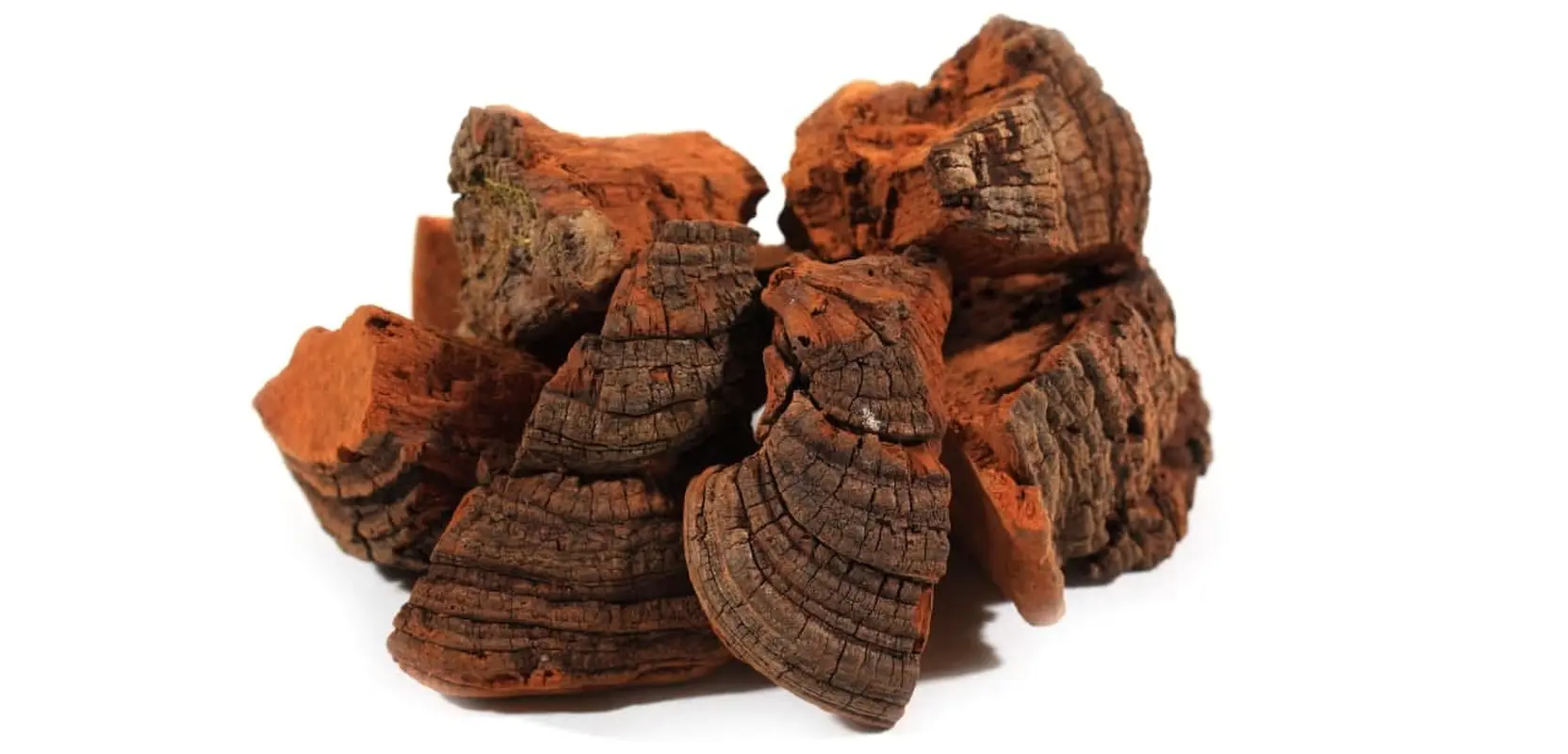
Phellinus linteus (Chinese sanghuang, Japanese meshimakobu, Korean sangwhang) belongs to the basidiomycete wood-decaying polypore mushrooms that prefer mulberry trees, but it can also be found on oaks and other deciduous trees. The fruiting body is attached to the tree and is brown to black. Although the mushroom is edible, it is rarely used for direct consumption due to its bitterness. It grows mainly in warm regions, e.g., tropical America, Africa, and is very popular in South and East Asia, especially in China, Japan, and Korea.
Phellinus has been known in Asia for thousands of years and is part of local traditional medicines. It is also mentioned in the most famous Chinese herbal, the Shennong, which began to be written during the Han Dynasty about 200 years BC. The pharmacopoeia written by Quan Zhen during the Tang Dynasty describes the use of Phellinus mainly in cases of bleeding, haemostasis, and menstrual problems. In other works, such as the Chinese Bencao Gangmu (Compendium of Materia Medica) written by Shi-Zhen Li during the Ming Dynasty, the mushroom was used as a diuretic, haemostatic, and to strengthen internal organs. The mushroom has maintained its popularity to this day and is still widely used, not only in traditional Chinese medicine, but many experiments and clinical studies are also being conducted.
Nature (Si Qi): slightly bitter
Taste (Wu Wei): cold
Tropism (Gui Jing): liver, stomach, large intestine
1, Anti-tumour effects
2, Regulation of the immune system
3, Allergies and asthma
4, Skin problems
5, Digestive support
6, Diarrhoea
7, Chronic inflammation
8, Rheumatoid arthritis
9, Fertility support
10, Painful conditions
a, Mushrooms in the form of extracts (recommended form of use)
If you are using mushrooms in the form of 30% extracts, I recommend:
Preventive use
For milder health problems
For more serious health problems
b, Mushrooms in tincture
c, Mushrooms in the form of powder (biomass)
d, Dried mushrooms
The main share of the mushroom's dry matter consists of sugar compounds, whether they are simple monosaccharides or complex high-molecular polysaccharides. Polysaccharides have immunomodulatory, antioxidant, anti-tumour, and other effects.
Monosaccharides in Phellinus include:
Among polysaccharides, beta-glucans are biologically the most important.
The polysaccharide designated as PBF6 has the structure →3)-β-D-Glcp-(1→3)-β-D-Glcp-(1→6)-β-D-Glcp-(1→. Other interesting polysaccharides are PIP60-1 and PISP1. PIP60-1 is composed of L-fucose, D-glucose, D-mannose, D-galactose, and 3-O-Me-D galactose in a ratio of 1:1:1:2:1. PISP1 consists of fucose, galactose, mannose, and 3-O-Me-galactose in a ratio of 1:2:1:2.
Neutral polysaccharides include PL-A and PL-B, which contain a large amount of glucose, a smaller amount of mannose and rhamnose.
Furthermore, polysaccharides designated as PBF1 and PBF2 are found in Phellinus, which are β-D-glucans with a slightly different composition.
The list could, of course, be much longer.
These are compounds that have significant antioxidant effects, many also act anti-tumour and anti-inflammatory
Terpenes give the mushroom a bitter, pungent taste and have significant antioxidant, anti-tumour, and anti-infective effects.
Phellinus also contains amino acids, which are the basic building blocks of proteins. They can also serve for the synthesis of sugars, etc.
In Phellinus there are:
Within the composition research, mineral substances that the mushroom obtains from its environment were also detected in Phellinus. It contains potassium, calcium, sodium, magnesium, iron, manganese, copper, and zinc.
When we look at the amount of substances (only the most famous ones are written) that Phellinus contains, it is clear that it will also have many effects. We will mention the most researched ones.
Tumour diseases are an increasingly large problem. Their numbers are increasing. Although diagnostics have improved and tumours are found earlier, as well as therapeutic options, there are still patients who succumb to tumour diseases. Moreover, treatment in the form of surgery, chemo-, and radiotherapy is very burdensome. Many natural substances show effects against tumour cells.
Research into the anti-tumour effects of Phellinus began in 1968, when Dr Ikekawa's team discovered that Phellinus kills mouse sarcoma cells. Since then, many studies have been conducted.
A large part is precisely on cell lines. The mushroom or its components are added to selected types of tumour cells and cell behaviour is monitored. Cell division stops and intracellular pathways that lead to apoptosis, i.e., cell death, are activated. This effect was confirmed on cells of colon and rectal carcinoma, liver, sarcoma, leukaemia, melanoma, breast, nasopharynx, glioblastoma, prostate, pancreas, lungs, etc.
Many studies have also taken place on animals. These experiments are set up so that animals with cancer are divided into groups and each is treated differently, the results are compared between groups, i.e., most often one group receives salt water and others receive different doses of the mushroom. Administration of polysaccharides to mice with colorectal carcinoma slowed down to stopped tumour growth. The same effect of polysaccharides was proven in mice with liver carcinoma.
An interesting study was also conducted on mice, and it involved mice with colon carcinoma with a certain KRAS mutation. For this type, the drug cetuximab is administered. The mice were treated with the drug in certain doses and/or alcohol extract. It turned out that the combination of the drug and the extract led to the best effects. The extract increased the sensitivity of tumour cells to treatment.
A water extract from the mushroom acted similarly in patients with pancreatic cancer, which is very aggressive. The study included 217 patients who first underwent surgery with removal of the pancreas. In patients who also received Phellinus for further treatment, there was a longer disease-free survival time and overall survival time. Patients in the group with subsequent treatment without Phellinus often did not even finish it. It seems that the mushroom reduces the toxicity of chemotherapy and it is then better tolerated.
Besides the direct toxic effect of Phellinus on tumour cells, its anti-tumour activity is also given by the stimulation of anti-tumour immunity. For example, in mice with liver carcinoma, 8-week administration of extract from Phellinus mycelia led to a reduction in tumour size and an increase in the number of T lymphocytes, NK cell activity, and phagocytic activity of other immune cells. The production of cytokines that have the ability to strengthen the immune response, e.g., IL-12, interferon gamma, and TNF alpha, also increased.
Similar results were brought by a study in which mice with sarcoma received Phellinus extract in combination with leaves of Sasa senanensis and Chaga. The tumour shrank, especially if natural treatment was combined with chemotherapeutics, and there was a strengthening of the immune response.
Anti-tumour effects are also given by the fact that Phellinus limits the formation of new blood vessels. Many tumours support the formation of new blood vessels to ensure enough nutrients that come with the blood. In experiments with invasive breast carcinoma cells, Phellinus prevented the adhesion and migration of tumour cells (i.e., limited metastasis) and angiogenesis, because it reduced the production of growth factor supporting the formation of new blood vessels by tumour cells.
Chen W, Tan H, Liu Q, et al. A Review: The Bioactivities and Pharmacological Applications of Phellinus linteus. Molecules. 2019;24(10):1888. Published 2019 May 16. doi:10.3390/molecules24101888
Konno S, Chu K, Feuer N, Phillips J, Choudhury M. Potent Anticancer Effects of Bioactive Mushroom Extracts (Phellinus linteus) on a Variety of Human Cancer Cells. J Clin Med Res. 2015;7(2):76-82. doi:10.14740/jocmr1996w
Park HJ, Park JB, Lee SJ, Song M. Phellinus linteus Grown on Germinated Brown Rice Increases Cetuximab Sensitivity of KRAS-Mutated Colon Cancer. Int J Mol Sci. 2017;18(8):1746. Published 2017 Aug 11. doi:10.3390/ijms18081746
Lee SH, Hwang HK, Kang CM, Lee WJ. Potential Impact of Phellinus linteus on Adherence to Adjuvant Treatment After Curative Resection of Pancreatic Ductal Adenocarcinoma: Outcomes of a Propensity Score-Matched Analysis. Integr Cancer Ther. 2019;18:1534735418816825. doi:10.1177/1534735418816825
Huang HY, Chieh SY, Tso TK, Chien TY, Lin HT, Tsai YC. Orally administered mycelial culture of Phellinus linteus exhibits antitumor effects in hepatoma cell-bearing mice. J Ethnopharmacol. 2011 Jan 27;133(2):460-6. doi: 10.1016/j.jep.2010.10.015. Epub 2010 Oct 15. PMID: 20951789.
Fang J, Gao S, Islam R, Teramoto Y, Maeda H. Extracts of Phellinus linteus, Bamboo (Sasa senanensis) Leaf and Chaga Mushroom (Inonotus obliquus) Exhibit Antitumor Activity through Activating Innate Immunity. Nutrients. 2020 Jul 29;12(8):2279. doi: 10.3390/nu12082279. PMID: 32751371; PMCID: PMC7469031.
Sliva D, Jedinak A, Kawasaki J, Harvey K, Slivova V. Phellinus linteus suppresses growth, angiogenesis and invasive behaviour of breast cancer cells through the inhibition of AKT signalling. Br J Cancer. 2008;98(8):1348-1356. doi:10.1038/sj.bjc.6604319
The immune system has the task of protecting us from danger from outside and inside the organism. It liquidates harmful pathogens and other harmful molecules, removes damaged and tumour cells, and supports healing processes. However, it can also cause problems if it reacts disproportionately, reacts to harmless molecules, e.g., allergens, or even to its own proteins (antigens), and autoimmune inflammation arises.
Components in Phellinus have the potential to influence the activity of the immune system, both in the sense of its increase and decrease.
Stimulatory effects are mainly had by polysaccharides and compounds derived from them, e.g., proteoglycans. They can strengthen the proliferation of immune cells (T, B lymphocytes, NK cells, macrophages...), their maturation, and their functions and production of cytokines, e.g., TNF alpha, interferon gamma. This manifests not only in the direct effect of Phellinus on cultured cells but also in experiments on animals. In a study with mice that were caused to have immunodeficiency, it was confirmed that administration of a water solution from Phellinus increases the immune response even in a weakened immune system, increased the number of T lymphocytes and cytokine production.
Anti-inflammatory effects are also well documented in Phellinus. They were described both in the case of chronic and autoimmune inflammation and in the case of allergic inflammation.
Chronic intestinal inflammation, colitis, is very problematic. It significantly limits patients due to symptoms (diarrhoea, abdominal pain), but it is also a risk for the development of colon cancer and can cause serious and life-threatening complications (intestinal rupture, fistulas). In experiments on a colitis mouse model, it was found that Phellinus mitigates symptoms of inflammation, reduces oxidative stress, and the activity of inflammatory factors, e.g., TNF alpha.
Joints are also often affected by chronic inflammation. These are often autoimmune inflammations. In a study with mice with arthritis, administration of proteoglycans from Phellinus led to a reduction in autoantibodies and pro-inflammatory cytokines, e.g., IL-12, TNF alpha, and interferon gamma. Upon examination of the joints, it was shown that there was a decrease in the severity of the disease.
Phellinus is also capable of suppressing allergic reactions. In experiments on asthmatic mice, administration of Phellinus managed to reduce allergic inflammation in the lungs, the numbers of immune cells in the lungs, mainly eosinophils, and mainly also mitigated the increased reactivity of the airways, i.e., limited the occurrence of attacks. A study of administering extract from Phellinus mycelia to mice with atopic dermatitis also turned out similarly promising. Water extract from the mushroom mitigated symptoms, i.e., the size of lesions, itching, skin inflammation. The concentration of IgE antibodies, which are increased in allergies, also decreased.
Lin CJ, Lien HM, Lin HJ, Huang CL, Kao MC, Chen YA, Wang CK, Chang HY, Chang YK, Wu HS, Lai CH. Modulation of T cell response by Phellinus linteus. J Biosci Bioeng. 2016 Jan;121(1):84-88. doi: 10.1016/j.jbiosc.2015.05.008.
Kim HM, Han SB, Oh GT, Kim YH, Hong DH, Hong ND, Yoo ID. Stimulation of humoral and cell mediated immunity by polysaccharide from mushroom Phellinus linteus. Int J Immunopharmacol. 1996 May;18(5):295-303. doi: 10.1016/0192-0561(96)00028-8. PMID: 8933208.
Matsuba S, Matsuno H, Sakuma M, Komatsu Y. Phellinus linteus Extract Augments the Immune Response in Mitomycin C-Induced Immunodeficient Mice. Evid Based Complement Alternat Med. 2008 Mar;5(1):85-90. doi: 10.1093/ecam/nem001.
Song M, Park HJ. Anti-inflammatory effect of Phellinus linteus grown on germinated brown rice on dextran sodium sulfate-induced acute colitis in mice and LPS-activated macrophages. J Ethnopharmacol. 2014 Jun 11;154(2):311-8. doi: 10.1016/j.jep.2013.12.059.
Kim GY, Kim SH, Hwang SY, Kim HY, Park YM, Park SK, Lee MK, Lee SH, Lee TH, Lee JD. Oral administration of proteoglycan isolated from Phellinus linteus in the prevention and treatment of collagen-induced arthritis in mice. Biol Pharm Bull. 2003 Jun;26(6):823-31. doi: 10.1248/bpb.26.823. PMID: 12808294.
Yan GH, Choi YH. Phellinus linteus Extract Exerts Anti-asthmatic Effects by Suppressing NF-κB and p38 MAPK Activity in an OVA-induced Mouse Model of Asthma. Immune Netw. 2014 Apr;14(2):107-15. doi: 10.4110/in.2014.14.2.107.
Hwang JS, Kwon HK, Kim JE, Rho J, Im SH. Immunomodulatory effect of water soluble extract separated from mycelium of Phellinus linteus on experimental atopic dermatitis. BMC Complement Altern Med. 2012 Sep 18;12:159. doi: 10.1186/1472-6882-12-159.
Free radicals, if they arise in excess, e.g., during inflammation, damage to the organism, stress..., damage important molecules, including DNA, and thus accelerate ageing and increase the risk of tumour diseases. The organism contains antioxidants and antioxidant enzymes that can remove free radicals arising under physiological conditions, e.g., superoxide dismutase, glutathione peroxidase.
Components of Phellinus, mainly phenols, polysaccharides, and terpenes, have antioxidant potential, neutralise/scavenge free radicals, which then cannot react with vital molecules and damage them. Vitamin C is a very strong antioxidant, and in one study it was shown that Phellinus extract approaches it in effectiveness.
Experiments on mice showed that administration of Phellinus extract increases the activity of superoxide dismutase and glutathione peroxidase, i.e., antioxidant enzymes, moreover, individual components function as antioxidants. In animals, the concentration of malondialdehyde, which arises during the reaction of free radicals with fats, e.g., in cell membranes, decreased.
Lee MS, Hwang BS, Lee IK, Seo GS, Yun BS. Chemical Constituents of the Culture Broth of Phellinus linteus and Their Antioxidant Activity. Mycobiology. 2015;43(1):43-48. doi:10.5941/MYCO.2015.43.1.43
S. Samchai, P. Seephonkai, A. Sangdee, A. Puntumchai and U. Klinhom, 2009. Antioxidant, Cytotoxic and Antimalarial Activities from Crude Extracts of Mushroom Phellinus linteus. Journal of Biological Sciences, 9: 778-783.
Yan J.K., Wang Y.Y., Wang Z.B., Ma H.L., Pei J.J., Wu J.Y. Structure and antioxidative property of a polysaccharide from an ammonium oxalate extract of Phellinus linteus. Inter. J. Biol. Macromol. 2016;91:92–123. doi: 10.1016/j.ijbiomac.2016.05.063.
Infectious pathogens are everywhere around us. The immune system protects us from them, but also various substances that are toxic to pathogens, e.g., if we get a bacterial infection, antibiotics help us. We can also destroy pathogenic fungi and parasites. It is more difficult with viruses and often we have no choice but to mitigate the symptoms of the disease. Another problem is that pathogens increase their resistance to drugs. New substances that could overcome resistance are therefore being sought. Phellinus also contains such substances.
Experiments directly with bacteria proved that it can reduce the multiplication of highly resistant Staphylococcus aureus (golden staph). A dose of 63-125 μg/ml depending on the type of fraction used is enough to limit multiplication. Another bacterium against which Phellinus is effective is Porphyromonas gingivalis, which is associated with periodontitis. The component phellinone gives Bacillus subtilis no chance.
Besides bacteria, the influence of Phellinus was also tested on viruses. A good effect was achieved with influenza viruses, e.g., H5N1, H1N1. They limit the entry of the virus into the cell and its replication.
In one study, it even managed to reveal anti-parasitic effects, specifically against Plasmodium falciparum, which is the causative agent of malaria.
In one study, the authors performed comprehensive testing of Phellinus against a larger number of bacteria and fungi. Various types of extracts were used, e.g., methanol, chloroform, and it was found that the extracts act against the fungi Candida albicans, Chrysosporium merdarium, and Chrysosporium keratinophilum. Staphylococci, Salmonella typhi, Agrobacterium tumefaciens, Klebsiella pneumonia, Pseudomonas aeruginosa were most sensitive to the influence of Phellinus.
Phellinus does not destroy pathogens only by toxic action, but also by strengthening the activity of the immune system.
Hur JM, Yang CH, Han SH, Lee SH, You YO, Park JC, Kim KJ. Antibacterial effect of Phellinus linteus against methicillin-resistant Staphylococcus aureus. Fitoterapia. 2004 Sep;75(6):603-5. doi: 10.1016/j.fitote.2004.06.005. PMID: 15351119.
Shirahata T., Ino C., Mizuno F., Asada Y., Hirotani M., Petersson G.A., mura S., Yoshikawa T., Kobayashi Y. γ-Ionylidene-type sesquiterpenoids possessing antimicrobial activity against Porphyromonas gingivalis from Phellinus linteus and their absolute structure determination. J. Antibiot. 2017;70:695–698. doi: 10.1038/ja.2017.35.
Yeo WH, Hwang EI, So SH, Lee SM. Phellinone, a new furanone derivative from the Phellinus linteus KT&G PL-2. Arch Pharm Res. 2007 Aug;30(8):924-6. doi: 10.1007/BF02993957. PMID: 17879742.
Ichinohe T., Ainai A., Nakamura T., Akiyama Y., Maeyama J.J., Odagiri T., Tashiro M., Takahashi H., Sawa H., Tamura S.I., et al. Induction of cross-protective immunity against influenza a virus H5N1 by an intranasal vaccine with extracts of mushroom mycelia. J. Med. Virol. 2010;82:128–137. doi: 10.1002/jmv.21670.
Hwang B.S., Lee M.S., Lee S.W., Lee I.K., Seo G.S., Choi H.J., Yun B.S. Neuraminidase inhibitors from the fermentation broth of Phellinus linteus. Mycobiology. 2014;42:189–192. doi: 10.5941/MYCO.2014.42.2.189
S. Samchai, P. Seephonkai, A. Sangdee, A. Puntumchai and U. Klinhom, 2009. Antioxidant, Cytotoxic and Antimalarial Activities from Crude Extracts of Mushroom Phellinus linteus. Journal of Biological Sciences, 9: 778-783.
Kodiyalmath JK & Krishnappa M (2017) Evaluation of antimicrobial activity of Phellinus linteus (Berk. & M.A Curtis.) with their wild collections from Western Ghats of India. Tropical Plant Research 4(2): 351–357
Diabetes (diabetes mellitus) is a disease associated with increased blood sugar values (hyperglycaemia). We distinguish two main types. Type I is an autoimmune disease damaging the pancreas, mainly in young people and children, while type II is associated with older age and overweight. Moreover, there does not have to be a decrease in insulin values as in type I, but cells are resistant to the effects of insulin. They behave as if it were not there. High blood sugar values damage blood vessels, tissues (kidneys, retina), nerves, and the immune system.
In experiments on animals, it turned out that Phellinus can mitigate symptoms of diabetes. If rats with type II diabetes received Phellinus extract, there was a decrease in glycaemia and also an improvement in cell sensitivity to insulin. There was also a suppression of glucose neo-formation and degradation of the storage sugar glycogen in the liver.
Besides that, it was also found that the extract reduced triglyceride and LDL cholesterol values, moreover, it limited cholesterol synthesis in the liver. In another study, rats were administered extract or a drug that is also used in humans. In both, there was a decrease in glycaemia. Phellinus extract also positively influenced the composition of intestinal microbiota, thereby improving intestinal quality and reducing its permeability, which is also associated with inflammation and insulin resistance. Restoration of microbiota can thus improve cell sensitivity to insulin.
In mice, in which diabetes was induced by high doses of fructose, polysaccharides from Phellinus managed to reduce fasting glycaemia and improve glucose tolerance. Moreover, it improves cell sensitivity to insulin. Even homocysteine values decreased.
Phellinus therefore has the potential to regulate blood sugar values. Unfortunately, clinical studies that would allow adding Phellinus to the therapy of diabetics have not taken place.
Liu Y, Wang C, Li J, Mei Y, Liang Y. Hypoglycemic and Hypolipidemic Effects of Phellinus Linteus Mycelial Extract from Solid-State Culture in A Rat Model of Type 2 Diabetes. Nutrients. 2019 Jan 30;11(2):296. doi: 10.3390/nu11020296.
Liu Y, Wang C, Li J, Li T, Zhang Y, Liang Y, Mei Y. Phellinus linteus polysaccharide extract improves insulin resistance by regulating gut microbiota composition. FASEB J. 2020 Jan;34(1):1065-1078. doi: 10.1096/fj.201901943RR.
Feng H, Zhang S, Wan JM, Gui L, Ruan M, Li N, Zhang H, Liu Z, Wang H. Polysaccharides extracted from Phellinus linteus ameliorate high-fat high-fructose diet induced insulin resistance in mice. Carbohydr Polym. 2018 Nov 15;200:144-153. doi: 10.1016/j.carbpol.2018.07.086.
Kim, H., You, J., Jo, Y., Lee, Y., Park, I., Park, J., … Kim, S. (2013). Inhibitory Effects of Phellinus linteus and Rice with Phellinus linteus Mycelium on Obesity and Diabetes. Journal of the Korean Society of Food Science and Nutrition, 42(7), 1029–1035. https://doi.org/10.3746/jkfn.2013.42.7.1029
Chen W, Tan H, Liu Q, et al. A Review: The Bioactivities and Pharmacological Applications of Phellinus linteus. Molecules. 2019;24(10):1888. Published 2019 May 16. doi:10.3390/molecules24101888
Higher blood fat values lead to tissue damage, mainly of blood vessels and the liver. Atherosclerosis and hepatosteatosis and other complications develop. An increase in the volume of adipose tissue and the previously mentioned pathologies are moreover associated with chronic inflammation, which further damages the organism. It is therefore necessary to have fat values and weight under control. Phellinus can also help with this.
Interesting results were also brought by a study in which the hypolipidaemic effect of mushroom extract was monitored. Blood fat values in animals decreased by 76% at a dose of 300μg/ml. Triglycerides and total cholesterol decreased. The activity of the enzyme that regulates cholesterol formation also decreased.
Thanks to the reduction of cholesterol, the risk of cholesterol gallstone formation can also be reduced. Mice fed a diet with a higher content of cholesterol and cholesterol cholate had a higher incidence of gallstones than mice that also received extracts from either the mature mushroom or mycelia. Moreover, the atherogenicity index (risk of atherosclerosis) and total cholesterol in the liver decreased.
In another study with rats fed a high-fat diet, a positive influence on cholesterol and triglyceride values was confirmed, and moreover also an increase in "good" HDL cholesterol. The authors also proved antioxidant effects when there was an increase in the activity of superoxide dismutase and liver glutathione peroxidase.
The reduction of blood fats and oxidative stress is a significant protective effect against the development of cardiovascular diseases.
Kim, H., You, J., Jo, Y., Lee, Y., Park, I., Park, J., … Kim, S. (2013). Inhibitory Effects of Phellinus linteus and Rice with Phellinus linteus Mycelium on Obesity and Diabetes. Journal of the Korean Society of Food Science and Nutrition, 42(7), 1029–1035. https://doi.org/10.3746/jkfn.2013.42.7.1029
Toshiro Watanabe, Miho Inoue, Taduko Uno, et al. Effects of Dietary Phellinus linteus on Cholesterol Gallstone Formation in Mice. Nippon Shokuhin Kagaku Kogaku Kaishi 2006; 53(5):268-274.
Song, W.-Y., Sung, B.-H., Kang, S.-K., & Choi, J.-H. (2010). Effect of Water Extracts from Phellinus linteus on Lipid Composition and Antioxidative System in Rats Fed High Fat High Cholesterol Diet. Journal of the Korean Society of Food Science and Nutrition, 39(1), 71–77. https://doi.org/10.3746/jkfn.2010.39.1.071
The liver is an extremely important organ without which we cannot survive. It has huge regenerative abilities, yet it is possible to permanently damage it. Viral hepatitis, toxic substances, drugs, alcohol, excessive amounts of fat, etc., can contribute to this. Damage is always associated with an increase in oxidative stress, which further increases damage.
From what is written above, it follows that Phellinus has the capacity to protect the liver, as it reduces oxidative stress and fat storage in the liver. It also exhibits antiviral effects and it is possible that even against hepatitis viruses.
From experiments on animals, it follows that administration of Phellinus reduces the risk of liver damage. In the experiment, animals were administered polysaccharides from Phellinus twice a day and subsequently a toxic substance was administered, which normally induces fibrosis in the liver. This, however, did not happen thanks to Phellinus.
In another study, mice were administered high doses of acetaminophen, which is used in humans to reduce pain and fever. The drug strongly damages the liver. If it was administered to mice, liver enzymes in the blood increased (a sign of liver cell damage), oxidative stress also grew, and the activity of antioxidant enzymes decreased. In microscopic liver samples, it was proven that there was cell death in the tissue. Administration of polysaccharides from Phellinus significantly reduced the consequences of high doses of acetaminophen.
Huang S-C, Wang P-W, Kuo P-C, Hung H-Y, Pan T-L. Hepatoprotective Principles and Other Chemical Constituents from the Mycelium of Phellinus linteus. Molecules. 2018; 23(7):1705. https://doi.org/10.3390/molecules23071705
Chen C, Liu X, Qi S, C P Dias A, Yan J, Zhang X. Hepatoprotective effect of Phellinus linteus mycelia polysaccharide (PL-N1) against acetaminophen-induced liver injury in mouse. Int J Biol Macromol. 2020 Jul 1;154:1276-1284. doi: 10.1016/j.ijbiomac.2019.11.002. Epub 2019 Nov 20. PMID: 31758991.
There are many effects of Phellinus on the body's functioning, besides those mentioned above, we will also add protection against the development of osteoporosis (reduction of bone quality). This effect was tested directly on bone cells and on animals. Phellinus reduces the activity of osteoclasts (cells breaking down bone tissue) and strengthens the functions of osteoblasts, which synthesise bone tissue. In mice without ovaries (oestrogen protects against osteoporosis), administration of Phellinus improved bone quality, reduced the numbers of osteoclasts. 12-week administration led to an increase in mineral accumulation in bone tissue, including calcium, magnesium, and phosphorus.
Also interesting is the protective influence against the development of stomach ulcers. Rats were applied a substance that induces stomach ulcers, naproxen, and at the same time part of the rats received Phellinus extract 3 days before starting the administration of damaging doses of naproxen. A dose of mushroom extract of 10 μg/kg significantly reduced damage to the stomach mucosa and prevented the development of stomach ulcers.
Phellinus can also mitigate changes in pigmentation, which are a significant aesthetic problem for many people. It influences melanin formation by melanocytes. The effect was tested on guinea pigs that were exposed to UVB radiation. Application to the skin firstly reduced hyperpigmentation, and secondly protected the skin from exposure to UVB, which increases oxidative stress.
Phellinus could also help men, as in one study with animals it was found that it mitigates the development of benign prostatic hyperplasia. Even despite the stimulation of its growth, its size decreased, which is of course important for the proper function of peripheral urinary tracts, which can be compressed by an enlarged prostate.
Kim IH, Chung MY, Shin JY, Han D. Protective Effects of Black Hoof Medicinal Mushroom from Korea, Phellinus linteus (Higher Basidiomycetes), on Osteoporosis In Vitro and In Vivo. Int J Med Mushrooms. 2016;18(1):39-47. doi: 10.1615/IntJMedMushrooms.v18.i1.50.
Kim JH, Kwon HJ, Kim BW. Protective Effect of 4-(3,4-Dihydroxyphenyl)-3-Buten-2-One from Phellinus linteus on Naproxen-Induced Gastric Antral Ulcers in Rats. J Microbiol Biotechnol. 2016 May 28;26(5):823-8. doi: 10.4014/jmb.1511.11024.
Ahn HY, Choo YM, Cho YS. Anti-Pigmentation Effects of Eight Phellinus linteus-Fermented Traditional Crude Herbal Extracts on Brown Guinea Pigs of Ultraviolet B-Induced Hyperpigmentation. J Microbiol Biotechnol. 2018 Mar 28;28(3):375-380. doi: 10.4014/jmb.1711.11043.
Kim YN, Kim MS, Chun SS, Choi JH. Effect of Phellius linteus water extract on benign prostatic hyperplasia. Nutr Res Pract. 2013 Jun;7(3):172-7. doi: 10.4162/nrp.2013.7.3.172.
Knee osteoarthritis (KOA) is the most common form of degenerative arthritis. We used Phellinus linteus (PL), which has a well-known anti-inflammatory function. In this study, we will evaluate whether PL extract improves symptoms in KOA.
This study will be an 8-week randomised controlled double-blind clinical study in one centre. A total of 24 people with KOA will be included, who will be divided into 3 groups, PL 1,000 mg, PL 1,500 mg, and placebo. Subjects will be monitored every 4 weeks regarding efficacy and safety at the 2nd and 3rd visit. All subjects should follow the dosage scheme of this protocol. The primary outcome will be evaluated using the Korean version of the Western Ontario and McMasters Universities. And secondary outcomes will be measured using a visual analogue scale, quality of life scale (EQ-5D-3L), ESR, C-reactive protein, and C-telopeptide of type II collagen. Statistical analysis will be performed on the principle of the full analysis set.
This study has inclusion and exclusion criteria and a well-controlled intervention. This clinical study is the first step to assessing the efficacy and safety of PL in patients with KOA. This study will be an important contribution to the literature and will help subsequent research in the field of using PL in KOA.

Characteristics and effects of mushrooms according to traditional Chinese medicine

Description of herbal blends, effects according to Chinese medicine and main usage

Dietary recommendations including individual foods for specific patterns

Characteristics and effects of herbs according to traditional Chinese medicine

Characteristics of food and its influence on individual organs

Classification of herbs and mushrooms by individual diseases


Subscribe to our newsletter and you won't miss any promotions or important information