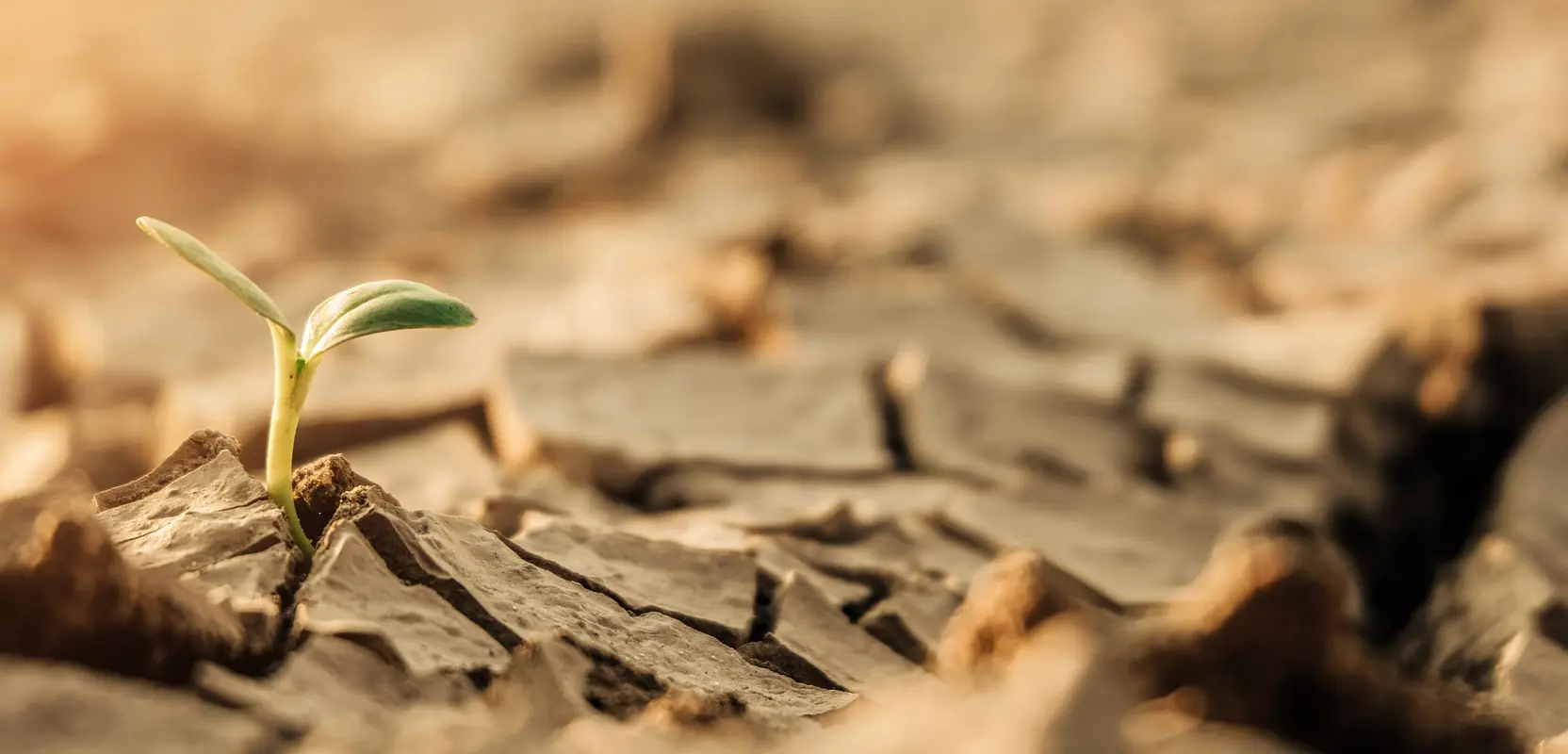


Dryness is a pathology of autumn that enters the body through the nose or mouth. It attacks the lungs and dries up fluids. As a result, blood and nourishing energy are dried out, leading to a deterioration in the body's hydration. Dryness is very similar to Yin deficiency; therefore, it could be said that it is a consequence of long-term Yin deficiency.
External attack by warm dryness occurs in autumn when Indian summer persists, or in spring. It attacks the defensive energy Wei Qi, the skin, and the lungs. It manifests as fever, chills, headaches, mild sweating, dryness in the throat and nose, and thirst.
Cold dryness is a consequence of cold autumn days. It manifests on the skin and lungs. It manifests more as a fever; the nose is blocked but not dry, mucus is thinner, and lips are dry. Dryness can then very quickly transform into heat.
Dryness primarily affects the Lungs and Stomach and related tissues. Dryness can (but does not have to) be associated with Yin deficiency. While patients may suffer from dryness without any Yin deficiency, they very rarely suffer from Yin deficiency without any accompanying dryness. Common body fluids are the most superficial of all body Yin and are the easiest to damage. However, they are also the fastest to recover. Foods intended to moisten dryness tend to be lubricating and mucus-forming: this distinguishes them from those that increase Yin, as the latter tend to be very nourishing and rich in protein. However, some foods that benefit Yin also have moistening effects. Add stewed or steamed vegetables to your meals and do not forget to maintain a drinking regimen to sufficiently hydrate the body.
Small amounts of milk and dairy products such as butter and yoghurt, pears, apples, bananas, tofu, tempeh and soy milk, barley, millet, Snow Fungus, Wood Ear, Hericium, almonds, pine nuts, peanuts, sesame seeds, eggs, pork, herring, watercress, chicory, parsnips, kohlrabi, lettuce, asparagus, cauliflower, aubergine, peas, legume sprouts.
Frying, baking, grilling over an open fire; remove drying foods from your diet (pastries and bread); remove spicy foods and foods that heat the body from your diet (chilli, curry, dried ginger, cinnamon, cloves, lamb, venison, wild boar meat), hard alcohol, red wine.
Recommended drinking regimen:
Healing soup for moistening
What we need: 50 g Bai Hé (lily bulb), 100 g sliced asparagus.
How to do it: bring the lily bulb to a boil in 1 l of water and simmer for 30 minutes on low heat. Then add 100 g of sliced asparagus and cook for another 30 minutes. Serve twice a day. DO NOT SALT!
Curd with Hericium
What we need: for 1 person 100 g tofu, 20 g Hericium mushroom, 15 g hard curd, 15 g peanuts, 1 spring onion, 1½ tablespoons olive oil, 1 tablespoon Shoyu, 1 teaspoon honey, salt, 1 teaspoon sesame oil.
How to do it: soak the dried Hericium, slice the onion into fine slices, dice the tofu and curd, and mix everything together. Squeeze the water out of the Hericium and chop into pieces. Heat the oil in a pan, add the onion and then the tofu, curd, Hericium and peanuts and mix everything. Stir in the Shoyu, honey and salt. Add 1 cup of water and bring to a boil, reduce heat and let simmer for about 15 minutes. Drizzle with sesame oil and serve.

Characteristics and effects of mushrooms according to traditional Chinese medicine

Description of herbal blends, effects according to Chinese medicine and main usage

Dietary recommendations including individual foods for specific patterns

Characteristics and effects of herbs according to traditional Chinese medicine

Characteristics of food and its influence on individual organs

Classification of herbs and mushrooms by individual diseases


Subscribe to our newsletter and you won't miss any promotions or important information