

Please note that the information provided below is the personal opinion of Mr Milan Schirlo, who is a therapist and an advocate of traditional Chinese medicine and a healthy lifestyle. Mr Schirlo does not promote any specific products or manufacturers of food supplements. Furthermore, this article is not connected to the sale of any products. The information is provided for the purpose of disseminating publicly available knowledge, conclusions of professional studies, education, and personal findings regarding vital mushrooms and a healthy lifestyle.
For legislative reasons, I cannot provide some information. Therefore, the text is missing in some points. I am working on republishing it. Thank you for your understanding.
Latin: Coprinus comatus
Czech: Shaggy Ink Cap
Coprinus comatus is known in our country by a name based on where it is most often found – the common ink cap. In English, it is known as the Shaggy Ink Cap.
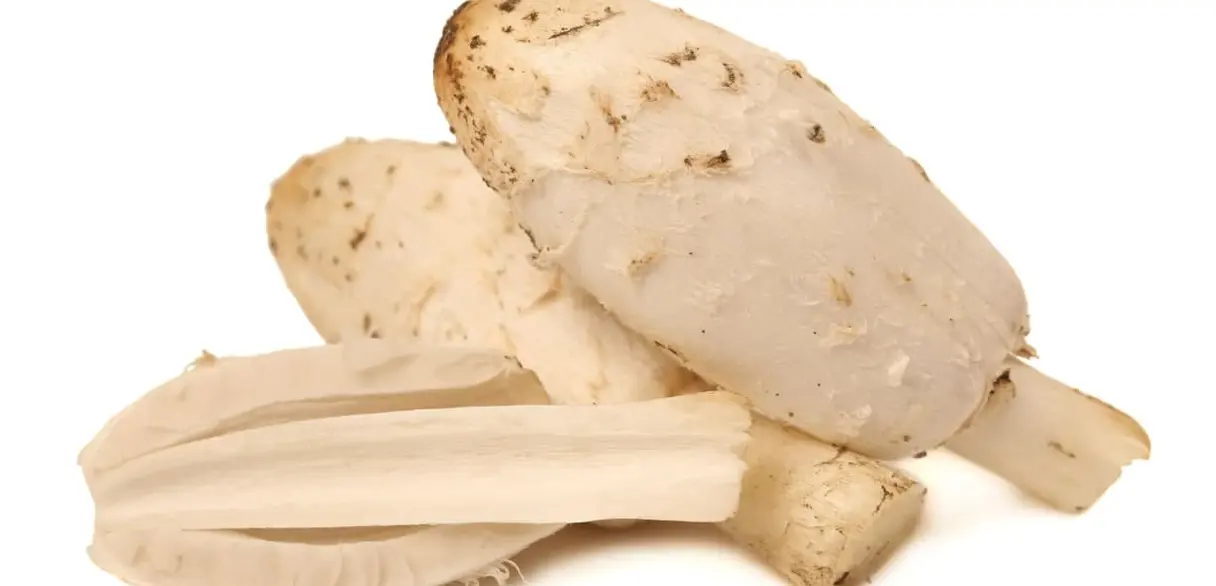
Coprinus comatus is an edible mushroom, but only if you find a young fruiting body. The young fruiting body is light, creamy or beige, and closed with scales similar to those on the caps of parasol mushrooms. The mushroom quickly "ages", the fruiting body opens, darkens until it turns black, and literally melts (self-digests); the English name is derived from this phenomenon. Coprinus can have a stalk up to 35 cm high. It prefers open spaces, meadows, forest edges, and gardens. It likes soil that has plenty of nitrogen. It occurs all over the world but prefers cooler zones. We find it abundantly in Central Europe or North America.
Coprinus was described in 1780, when the Danish naturalist Otto Friedrich Müller named it Agaricus comatus. The current name was given to it by Christiaan Hendrik Persoon in 1797.
Nature (Si Qi): sweet
Taste (Wu Wei): neutral
Tropism (Gui Jing): spleen, stomach
1, Type II Diabetes
2, Digestive support
3, Blood circulation support
a, Mushrooms in the form of extracts (recommended form of use)
If you are taking mushrooms in the form of 30% extracts, I recommend:
Preventive use
For milder health problems
For more serious health problems
b, Mushrooms in tincture
c, Mushrooms in the form of powder (biomass)
d, Dried mushrooms
Contraindications and known drug interactions
It is sometimes stated that Coprinus should not be combined with alcohol. However, this unpleasant side effect of an otherwise excellent edible mushroom mainly concerns the common ink cap. It then acts like Antabuse. This is caused by coprine. If it meets alcohol, it can cause hot flushes, increased heart rate, heart palpitations, increased blood pressure, tingling and itching, nausea, and vomiting.
Like other mushrooms, Coprinus is mostly made of water; after drying, a dry matter is created, in which there are compounds that we will discuss further.
Sugar components make up the largest share of the dry matter. On one hand, there are polysaccharides that are not absorbed, i.e., crude fibre, which serves as "food" for symbiotic bacteria in the intestines, and on the other hand, absorbable polysaccharides, among which beta-glucans are the most important. They are known to have an immunostimulatory effect, reduce oxidative stress, and also have anti-tumour effects.
In addition to polysaccharides, Coprinus also contains shorter sugar compounds, e.g., monosaccharides (fructose, trehalose, mannitol), i.e., individual sugar molecules, disaccharides (2 molecules), and pentasaccharides, e.g., [α-d-Glcp-(1↔1)-α-d-Glcp].
Proteins and amino acids, i.e., the building blocks of proteins, can also be obtained from the dry matter of Coprinus. It has been possible to extract all types of amino acids. We will introduce them to you according to how they are represented in the dry matter; we will not mention the less represented ones – valine, leucine, lysine, isoleucine, threonine, phenylalanine, tryptophan, methionine, and also glutamic acid, which is the carrier of the mushroom's taste.
We cannot omit ornithine and gamma-aminobutyric acid (GABA), which has the function of a neurotransmitter in the nervous system, i.e., it regulates the transmission of impulses, etc.
The proteins found in Coprinus are mainly various enzymes that help the mushroom decompose woody parts, plant residues, etc. These include, for example, glucosidases, chitinases, and cellulases.
Studies have shown that Coprinus also contains fats, i.e., fatty acids. They compared the fat content in wild-growing and cultivated mushrooms; it was 1.98 and 1.8 g/100g of dry matter. It is therefore not a high fat content, but on the other hand, these are health-beneficial fats. These are mainly polyunsaturated fatty acids (PUFA), which make up about 50% of all fatty acids, followed by monounsaturated fatty acids (MUFA), which make up around 36%, and saturated fatty acids about 12%. Important ones include, for example, palmitoleic, linoleic, and oleic acid.
It is also possible to find various minerals and trace elements in Coprinus. From minerals and trace elements, we can highlight calcium, magnesium, sodium, potassium, iron, copper, zinc, and manganese. From vitamins, B-group vitamins are found in Coprinus, mainly B1, B2, and niacin. Vitamin C is also present in smaller amounts. Also important is the presence of vitamin E, i.e., tocopherol, specifically beta, gamma, and delta tocopherol.
Coprinus contains a large amount of other compounds, e.g., saponins, steroids, terpenoids, comatin, cardiac glycosides, etc.
We will mention various types of acids; many of them are classified as phenols, which have antioxidant, antimicrobial, and anti-tumour effects.
From the number of substances we have listed, and believe me there are many more, it follows that Coprinus will also have many effects. We will mention the most important ones, which have been verified by studies, in the following lines.
Cao H, Qin D, Guo H, et al. The Shaggy Ink Cap Medicinal Mushroom, Coprinus comatus (Agaricomycetes), a Versatile Functional Species: A Review. Int J Med Mushrooms. 2020;22(3):245-255. doi: 10.1615/IntJMedMushrooms.2020033988.
The proper functioning of the immune system is indispensable for our life. The immune system must have the strength to destroy pathogens and tumour cells, but it must also be able not to react to its own proteins (antigens) and to harmless compounds (allergens). Autoimmune and allergic inflammations have a damaging character.
Coprinus, or rather its components, modulate the activity of the immune system. Important in this regard are polysaccharides, beta-glucans, which can stimulate the immune system and increase resistance. In studies on immune system cells, it was proven that adding Coprinus to cells leads to their activation, the ability to absorb harmful material (phagocytosis), and multiplication. Moreover, they produced higher amounts of substances (cytokines) that activate other immune cells and strengthen the immune response.
Immunostimulatory effects were also tested on animals. An interesting study took place on 320 ducklings, which were divided into 4 groups. Each group received the same food; the only difference was that each group also received Coprinus in the food in a different amount. Ducklings that consumed food with Coprinus grew faster and thrived; blood tests revealed increased activity of the immune system, i.e., more immune cells and cytokine concentration.
Above we mentioned that the immune system can get out of control and cause damaging inflammation. Coprinus can dampen it; as shown in one study, inflammation was induced in mice, and in mice that received Coprinus, it was lower than in mice without Coprinus, which even reduced pain during inflammation, acting as an analgesic.
Takashi Asahi, Xiaohong Wu, Hiroshi Shimoda, Shinsuke Hisaka, Etsuko Harada, Tomomi Kanno, Yoshimasa Nakamura, Yoji Kato, and Toshihiko Osawa. A mushroom-derived amino acid, ergothioneine, is a potential inhibitor of inflammation-related DNA halogenation Bioscience, Biotechnology, and Biochemistry Vol. 80 , Iss. 2,2016
LI Wen,YANG Yan,ZHOU Shuai,WU Di,WANG Wenhan,LIU Yanfang,JIANG Jun,ZHANG. β-Glucan Content and In Vitro Immunological Activity of Crude Water soluble Polysaccharide Fractions from Eight Edible Fungi. Jingsong Laboratory of Agricultural Genetics and Breeding of Shanghai, Shanghai 201403,China)
Ren J, Shi JL, Han CC, Liu ZQ, Guo JY. Isolation and biological activity of triglycerides of the fermented mushroom of Coprinus Comatus. BMC Complement Altern Med. 2012 Apr 24;12:52.
ZHANG Ya-xue,WANG Tao,YIN Zhong-qiong et al. Effects of Spent Coprinus Comatus Substrate on Growth and Immune Function in Ducks[J]. , 2011, 38(11): 14-18.
Cancer is still a big scare. Thanks to early diagnosis, very small tumours are being discovered, and thanks to prevention programmes and treatment, more and more people are surviving. But cancer still kills a large number of people, and cancer treatment is very demanding and greatly reduces the quality of life of the treated person.
Scientists are looking for ways to treat patients effectively while ensuring that the treatment is as least burdensome as possible.
Many components of Coprinus have anti-tumour effects. This was tested mainly on cell cultures. This means that tumour cells were grown in a dish/flask, they multiplied well, thrived, and then either individual components of Coprinus or an extract from the whole Coprinus were added to them, and it was observed how it affected the cells. In the presence of Coprinus, there was a limitation of multiplication and cell death of many types of cancer cells, e.g., ovarian cancer, brain cancer, etc.
Coprinus also exhibits hormonal activity, which can be used for prostate carcinoma, as growth is stimulated by testosterone. Coprinus can limit the influence of testosterone on prostate tumour cells, so it grows less.
Coprinus also acts anti-tumourally because it strengthens the immune system, i.e., also anti-tumour immunity. In an experiment on mice that had a tumour implanted, the administration of Coprinus led to an increase in the number of immune cells, enlargement of the spleen and thymus, and this was also associated with the fact that the tumour shrank.
Nowakowski P, Markiewicz-Żukowska R, Gromkowska-Kępka K, Naliwajko SK, Moskwa J, Bielecka J, Grabia M, Borawska M, Socha K. Mushrooms as potential therapeutic agents in the treatment of cancer: Evaluation of anti-glioma effects of Coprinus comatus, Cantharellus cibarius, Lycoperdon perlatum and Lactarius deliciosus extracts. Biomed Pharmacother. 2021 Jan;133:111090. doi: 10.1016/j.biopha.2020.111090.
Dotan N, Wasser SP, Mahajna J. The culinary-medicinal mushroom Coprinus comatus as a natural antiandrogenic modulator. Integr Cancer Ther. 2011;10(2):148-59.
Rouhana-Toubi A, Wasser SP, Agbarya A, Fares F. Inhibitory effect of ethyl acetate extract of the shaggy inc cap medicinal mushroom, Coprinus comatus (Higher Basidiomycetes) fruit bodies on cell growth of human ovarian cancer. Int J Med Mushrooms. 2013;15(5):457-70.
Asatiani MD, Wasser SP, Nevo E, Ruimi N, Mahajna J, Reznick AZ. The Shaggy Inc Cap medicinal mushroom, Coprinus comatus (O.F.Mull.: Fr.) Pers. (Agaricomycetideae) substances interfere with H2O2 induction of the NF-kappaB pathway through inhibition of Ikappaalpha phosphorylation in MCF7 breast cancer cells. Int J Med Mushrooms. 2011;13(1):19-25.
Zaidman BZ, Wasser SP, Nevo E, Mahajna J. Coprinus comatus and Ganoderma lucidum interfere with androgen receptor function in LNCaP prostate cancer cells. Mol Biol Rep. 2008 Jun;35(2):107-17.
Jiang XG, Lian MX, Han Y, Lv SM. Antitumor and immunomodulatory activity of a polysaccharide from fungus Coprinus comatus (Mull.:Fr.) Gray. Int J Biol Macromol. 2013 Jul;58:349-53.
Diabetes is a chronic disease in which blood sugar, glycaemia, increases. Sugar damages the vascular lining, destroys nerves, and thus also the kidneys, retina, prolongs healing, etc. Behind type II diabetes, there is usually not a lack of insulin, but cell insensitivity to insulin, i.e., insulin resistance.
Experiments were conducted with Coprinus on mice, and it was proven that it can lower the level of sugar, glycated haemoglobin (sugar binds to haemoglobin if it is elevated long-term). Glucose tolerance is also improved, and cell sensitivity to insulin is restored. Similar experiments took place on rats with the same positive effect; moreover, it was proven that it protects the pancreas and increases insulin production.
Diabetes damages the kidneys, leading to the development of diabetic nephropathy, and Coprinus can help with that too. In mice, kidneys were damaged by inducing diabetes, and Coprinus was able to reduce inflammation and oxidative stress. The kidneys were also relieved by the fact that Coprinus lowered glycaemia.
Han C, Yuan J, Wang Y, Li L. Hypoglycemic activity of fermented mushroom of Coprinus comatus rich in vanadium. J Trace Elem Med Biol. 2006;20(3):191-6.
Bailey CJ, Turner SL, Jakeman KJ, Hayes WA. Effect of Coprinus comatus on plasma glucose concentrations in mice. Planta Med. 1984;50(6):525-6.
Gao Z, Kong D, Cai W, Zhang J, Jia L. Characterization and anti-diabetic nephropathic ability of mycelium polysaccharides from Coprinus comatus. Carbohydr Polym. 2021 Jan 1;251:117081. doi: 10.1016/j.carbpol.2020.117081. Epub 2020 Sep 14. PMID: 33142624.
Nuniek Ina Ratnaningtyas et al. Chicken drumstick mushroom (Coprinus comatus) ethanol extract exerts a hypoglycaemic effect in the Rattus norvegicus model of diabetes. Biocatalysis and Agricultural Biotechnology Volume 19, May 2019, 101050. https://doi.org/10.1016/j.bcab.2019.101050Get rights and content
Zhongyang Ding et al. Hypoglycaemic effect of comatin, an antidiabetic substance separated from Coprinus comatus broth, on alloxan-induced-diabetic rats. Food Chemistry Volume 121, Issue 1, 1 July 2010, Pages 39-43. https://doi.org/10.1016/j.foodchem.2009.12.001
ZhengGao, DeyinKong et al.Characterization and anti-diabetic nephropathic ability of mycelium polysaccharides from Coprinus comatus. Carbohydrate Polymers 251:117081 DOI: 10.1016/j.carbpol.2020.117081
Infectious pathogens surround us, they are everywhere; whether we get sick often depends only on the immune system and its ability to deal with the pathogen and remove it before it causes disease. We divide infections into viral, bacterial, fungal, and parasitic. We usually only have to endure viral infections and administer drugs that provide relief; only a few viral infections are treatable. Bacterial and other infections can be suppressed and cured with antibiotics, antifungals, and antiparasitics. The problem, however, is that pathogens are becoming resistant to treatment. It is therefore necessary to look for other ways to kill pathogens. Substances contained in Coprinus are capable of limiting the multiplication of viruses, including HIV. As for bacteria, one study compared the effectiveness of ampicillin (an antibiotic) and Coprinus. Coprinus was effective against all tested bacteria, i.e., Staphylococcus aureus, Bacillus cereus, Micrococcus flavus, Listeria monocytogenes, Salmonella typhimurium, Escherichia coli, Enterobacter cloacae. Many bacteria are very resistant. With ampicillin, it was possible to use a lower dose for the same effect, but administering Coprinus is safer.
Its antifungal action is also important, i.e., against yeasts and moulds. Effectiveness was proven, for example, on Aspergillus fumigatus, Aspergillus versicolor, Aspergillus niger, Trichoderma funiculosum, Penicillium echrochloron. For some moulds, Coprinus was more effective than ketoconazole, i.e., a commonly administered antifungal.
Zhao S, Rong CB, Kong C, Liu Y, Xu F, Miao QJ, Wang SX, Wang HX, Zhang GQ. A novel laccase with potent antiproliferative and HIV-1 reverse transcriptase inhibitory activities from mycelia of mushroom Coprinus comatus. Biomed Res Int. 2014;2014:417461.
Luo H, Liu Y, Fang L, Li X, Tang N, Zhang K. Coprinus comatus damages nematode cuticles mechanically with spiny balls and produces potent toxins to immobilize nematodes. Appl Environ Microbiol. 2007;73(12):3916-23.
Stilinović Nebojša et al. 2020 Chemical composition, nutritional profile and in vivo antioxidant properties of the cultivated mushroom Coprinus comatusR. Soc. open sci.7200900 http://doi.org/10.1098/rsos.200900
de Carvalho MP, Gulotta G, do Amaral MW, Lünsdorf H, Sasse F, Abraham WR. Coprinuslactone protects the edible mushroom Coprinus comatus against biofilminfections by blocking both quorum-sensing and MurA. Environ Microbiol. 2016 Nov;18(11):4254-4264.
Oxidative stress is behind many chronic diseases and the faster ageing of the organism. Free radicals damage cell membranes, even DNA, and are therefore also behind the development of cancer and chronic inflammation. Neutralising free radicals is therefore extremely important. The organism has mechanisms by which it reduces oxidative stress, but the problem is when the amount of produced free radicals exceeds the neutralisation capacity.
Antioxidant effects, reducing oxidative stress, are most often tested on animals that are given a toxic substance that causes tissue damage, thereby increasing the production of free radicals, e.g., carbon tetrachloride in mice, which leads to liver damage. Lipid peroxidation in membranes increases and malondialdehyde is formed. And it is precisely its concentration that is evaluated. In untreated mice, there are higher concentrations than in mice that receive Coprinus.
With the reduction of oxidative stress, it naturally also relates to the protection of the organ that is damaged. Many experiments are performed mainly with liver damage (damaged by carbon tetrachloride, alcohol, etc.). If Coprinus is not administered, there is higher oxidative stress, the liver is more damaged, and more liver enzymes are released into the blood (ALT, AST), etc.
Popović M, Vukmirović S, Stilinović N, Capo I, Jakovljević V. Anti-oxidative activity of an aqueous suspension of commercial preparation of the mushroom Coprinus comatus. Molecules. 2010 15(7):4564-71.
Li B, Lu F, Suo X, Nan H, Li B. Antioxidant properties of cap and stipe from Coprinus comatus. Molecules. 2010;15(3):1473-86.
Ozalp FO, Canbek M, Yamac M, Kanbak G, Van Griensven LJ, Uyanoglu M, Senturk H, Kartkaya K, Oglakci A. Consumption of Coprinus comatus polysaccharide extract causes recovery of alcoholic liver damage in rats. Pharm Biol. 2014;52(8):994-1002.
Zhao H, Li H, Lai Q, Yang Q, Dong Y, Liu X, Wang W, Zhang J, Jia L. Antioxidant and hepatoprotective activities of modified polysaccharides from Coprinus comatus in mice with alcohol-induced liver injury. Int J Biol Macromol. 2019 Apr 15;127:476-485. doi: 10.1016/j.ijbiomac.2019.01.067. Epub 2019 Jan 16. PMID: 30659878.
Zhao H, Zhang J, Liu X, Yang Q, Dong Y, Jia L. The antioxidant activities of alkalic-extractable polysaccharides from Coprinus comatus on alcohol-induced liver injury in mice. Sci Rep. 2018 Aug 3;8(1):11695. doi: 10.1038/s41598-018-30104-6. PMID: 30076364; PMCID: PMC6076309.
Coprinus can protect the nervous system through many mechanisms, e.g., dampening inflammation that occurs in the nervous system, reducing oxidative stress. Also important is the effect on acetylcholinesterase. It breaks down acetylcholine, which is an important neurotransmitter that helps transmit nerve impulses. Coprinus acts against the activity of the enzyme, so thanks to it, less acetylcholine is broken down, i.e., there is more of it. Some scientists therefore lean towards the idea that Coprinus could help mitigate the impacts of Alzheimer's disease.
Karaman M, Tesanovic K, Novakovic A, Jakovljevic D, Janjusevic L, Sibul F, Pejin B. Coprinus comatus filtrate extract, a novel neuroprotective agent of natural origin. Nat Prod Res. 2020 Aug;34(16):2346-2350. doi: 10.1080/14786419.2018.1533831.
Pejin B, Tešanović K, Jakovljević D, Kaišarević S, Šibul F, Rašeta M, Karaman M. The polysaccharide extracts from the fungi Coprinus comatus and Coprinellus truncorum do exhibit AChE inhibitory activity. Nat Prod Res. 2019 Mar;33(5):750-754. doi: 10.1080/14786419.2017.1405417. Epub 2017 Nov 22. PMID: 29166776.

Characteristics and effects of mushrooms according to traditional Chinese medicine

Description of herbal blends, effects according to Chinese medicine and main usage

Dietary recommendations including individual foods for specific patterns

Characteristics and effects of herbs according to traditional Chinese medicine

Characteristics of food and its influence on individual organs

Classification of herbs and mushrooms by individual diseases


Subscribe to our newsletter and you won't miss any promotions or important information