

Please note that the information provided below is the personal opinion of Mr Milan Schirlo, who is a therapist and an advocate of traditional Chinese medicine and a healthy lifestyle. Mr Schirlo does not promote any specific products or manufacturers of food supplements. Furthermore, this article is not connected to the sale of any products. The information is provided for the purpose of disseminating publicly available knowledge, conclusions of professional studies, education, and personal findings regarding vital mushrooms and a healthy lifestyle.
For legislative reasons, I cannot provide some information. Therefore, the text is missing for some points. I am working on republishing it. Thank you for your understanding.
Latin: Auricularia polytricha
Czech: Jidášovo ucho/boltcovitka chlupatá (or sametová)
Chinese: Hei Mu Er (Mu Er = wood ears)
Japanese: Kikurage
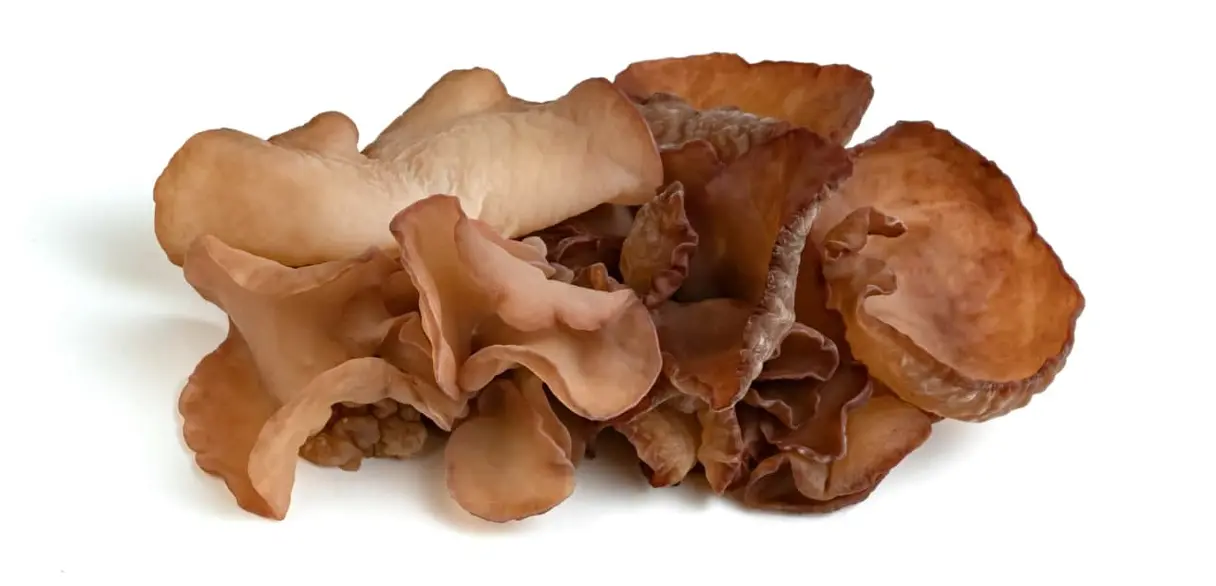
Auricularia (Auricularia polytricha, wood ear mushroom, known in Asia as Yung ngo, Kikurage, Mokurage, wood ear mushroom) belongs to wood-decaying fungi that draw nutrients from the tree on which they grow. Auricularia mainly chooses deciduous trees, those that are damaged, stumps, fallen branches, etc. We can find it on maples, oaks, ashes, and elderberries. The mushrooms can survive in freezing temperatures, so we can find them all year round. The fruit bodies form clusters on a woody substrate. Individual fruit bodies resemble a human ear, from which the mushroom's name is derived. It resembles an ear somewhat in shape, but mainly in consistency, which is stiff but gelatinous and elastic. Similar to cartilage in the ear pinna. The surface can also be covered with tiny hairs. The colour can range from light beige to various shades of brown. Auricularia owes its Czech name Jidášovo ucho (Judas's Ear) to the Christian interpretation, according to which Judas, the betrayer of Jesus, hanged himself on an elder tree, on which mushroom shapes resembling an ear pinna later began to grow.
Auricularia is widely used in Asian cuisine. It is very popular, although it lacks the typical mushroom aroma and taste. However, it adds another dimension to food with its consistency. In Asia, however, it is not used only in dishes, but also as a "medicinal". There is ancient written evidence that Auricularia was cultivated for use in traditional Chinese medicine as early as around 600 AD. It was entered into the scientific botanical system in 1789 thanks to J. B. F. Bulliard. At that time, he named it Tremella auricula-judae. It received its current name, Auricularia, only in 1897 from the Austrian botanist R. Weittstein.
Nature (Si Qi): neutral
Taste (Wu Wei): sweet
Tropism (Gui Jing): liver, spleen
1, Cardiovascular system
2, Non-healing wounds
3, Neuropathy
4, Cough
5, Strengthens eyesight
6, Haemorrhoids
7, Constipation
8, Stops bleeding
9, Anti-inflammatory effects
a, Mushrooms in the form of extracts (recommended form of use)
If you are taking mushrooms in the form of 30% extracts, I recommend:
Preventive use
For milder health problems
For more serious health problems
b, Mushrooms in tincture
c, Mushrooms in the form of powder (powder, biomass)
d, Dried mushrooms
The composition of Auricularia is very diverse. It contains a large amount of biologically active substances. We will discuss some of them in the following text.
Auricularia is largely made up of sugar components. It contains monosaccharides, i.e., individual sugars, i.e., glucose, galactose, xylose, mannose, etc., but mainly complex sugars. Complex sugars, i.e., polysaccharides, are divided into two main parts, namely crude fibre, which is not absorbed, and polysaccharides absorbable from the intestine. Beta-glucans also belong to this group. These are known for their immunomodulatory, antioxidant, and anti-tumour effects. In Auricularia, there are mainly beta-glucans β-(1→3). Recently, a polysaccharide was also discovered, which was named AAP-3-1. It has very strong antioxidant effects and strengthens the activity of enzymes that protect against oxidative stress, e.g., glutathione peroxidase, superoxide dismutase, catalase, etc.
Auritoxin also belongs among polysaccharides. It is a heteromanoglucan. It is formed mainly by glucose and mannose. 6% is then made up of amino acids. Although it is called a toxin, it is not dangerous, or rather, the lethal dose for mice if administered by mouth is 454 milligrams per kilogram of live weight. Yet there is really very little of it in the mushroom. A person would have to consume literally tens of kilograms of the mushroom at once.
Amino acids and proteins make up to 16% of the dry matter of Auricularia. It contains 16 amino acids, 7 of which are essential, i.e., the body cannot produce them itself:
It also contains
If we look at proteins, enzymes that break down wood matter are worth mentioning. These are, for example, glucoamylases, glucose 2 oxidases. Auricularia also contains enzymes that have antioxidant effects, i.e., glutathione peroxidase, catalase, superoxide dismutase, etc.
Auricularia also contains a protein that can limit the formation of blood clots.
Fatty acids/fats are also not missing in Auricularia. It is important that unsaturated ones prevail, i.e., the healthier ones. We can name, for example, linoleic, oleic, palmitoleic acid. From the saturated ones, you can find palmitic and myristic acid in Auricularia.
Ceramides and cerebrosides also fall under fats. These are compounds composed of fats and sugars, glycolipids. They have the ability to reduce inflammation and mitigate the perception of pain.
Melanin makes up 1 to 3% of Auricularia. It has antioxidant effects and can also limit the growth of bacterial colonies, e.g., Escherichia coli and Pseudomonas aeruginosa.
Other components that excel in antioxidant effects are polyphenols and flavonoids. In an acetone solution, these substances were found:
The content of minerals and trace elements depends a lot on the environment in which the mushroom grows. All contain:
Minerals are also supplemented by vitamins. Auricularia contains mainly B-group vitamins (thiamine, riboflavin, niacin, pantothenic acid, pyridoxine). We cannot fail to mention the all-important vitamin D.
Sterols
The already mentioned vitamin D (ergosterol) also belongs to the sterol group. Other important sterols are
If we take into account the diversity of the composition of Auricularia, it is clear that the effects on the health of living creatures will be the same. These are still being tested and verified.
Liu E, Ji Y, Zhang F, Liu B, Meng X. Review on Auricularia auricula-judae as a Functional Food: Growth, Chemical Composition, and Biological Activities. J Agric Food Chem. 2021 Feb 17;69(6):1739-1750. doi: 10.1021/acs.jafc.0c05934. Epub 2021 Feb 5. PMID: 33543932.
The immune system has the task of protecting the organism from danger lurking in the surroundings (e.g., pathogens), but also danger lurking inside the body (tumour cells, we need it just as much for the process of healing and regeneration). However, the immune system can also threaten us, in the case that it reacts very strongly, reacts to safe stimuli (allergens), or even to its own proteins (autoimmunity). The immune system must therefore be in "balance".
Auricularia contains components that have the ability to increase the activity of the immune system, and thus its anti-infective and anti-tumour response. In this regard, polysaccharides are the most effective. According to studies conducted directly on immune cells obtained from blood, they support the multiplication of immune cells, activate them, increase the production of substances (cytokines) that increase the inflammatory response (TNF alpha, IL-1beta, IL6). They can also strengthen phagocytosis, i.e., the ability of some immune cells to engulf foreign material or cell debris. Under the influence of polysaccharides from Auricularia, an immune cell also more effectively destroys engulfed material (including bacteria, viral particles). If a pathogen is killed, it is further processed and its proteins are exposed on the surface of the immune cell so that they are noticed by other immune cells, mainly T lymphocytes, among which CD4+ T lymphocytes can activate B lymphocytes to produce antibodies.
Results of studies on animals are also important. Here, too, an immunostimulatory effect was demonstrated, where animals cope better with infections. It is important that Auricularia can reverse the effects of immunosuppressants, radiotherapy. These significantly suppress the immune system, but if Auricularia is also added, the immune system maintains its functions. We can highlight a study with mice that received cyclophosphamide and some of them also Auricularia. Auricularia was able to preserve the functions of the immune system, stimulated the production of some cytokines, e.g., interferon gamma, IL-2, IL-4 or IL-10. The production of claudin and occludin, which ensure the resistance and compactness of mucous membranes, also increased, and in addition, Auricularia also improved the state of the intestinal microbiota, which also suffers from immunosuppressant treatment.
We have discussed immunostimulatory effects and now we will look at the immunosuppressive ones. Studies have shown that Auricularia has anti-inflammatory effects. This is important, for example, in an excessive reaction to infection. Rats were given lipopolysaccharide, which is part of bacterial membranes, and stimulation of the immune system occurred. However, its reaction can damage tissues. In this study, the immune system significantly damaged the rats' lungs. However, it was different for rats that received Auricularia. The activation of the immune system was appropriate and moderate. The lung tissue showed signs of inflammation, but not destruction of the tissue. In addition, fewer free radicals were formed in the tissues, i.e., there was less oxidative stress.
In another experiment, rats suffered from an analogue of human Crohn's disease. This is associated with inflammation in the digestive tract and disruption of the composition of the intestinal microbiota. Rats that received polysaccharides from Auricularia had much fewer problems. They did not suffer from such massive diarrhoea, did not lose weight, had fewer signs of inflammation in the intestine, and the composition of the intestinal microflora corresponded more to healthy rats. Auricularia therefore had an anti-inflammatory effect.
Zuo JC, Zeng YQ, He XW, Wang QX. Effect of Auricularia auricula polysaccharide on PBMCs proliferation and cytokine expression in vitro. Zhong Yao Cai. 2008 Jan;31(1):76-9.
Damte D, Reza MA, Lee SJ, Jo WS, Park SC. Anti-inflammatory Activity of Dichloromethane Extract of Auricularia auricula-judae in RAW264.7 Cells. Toxicol Res. 2011 Mar;27(1):11-4.
Kong X, Duan W, Li D, Tang X, Duan Z. Effects of Polysaccharides From Auricularia auricula on the Immuno-Stimulatory Activity and Gut Microbiota in Immunosuppressed Mice Induced by Cyclophosphamide. Front Immunol. 2020 Nov 6;11:595700. doi: 10.3389/fimmu.2020.595700. P
Ukai S, Kiho T, Hara C, Kuruma I, Tanaka Y.Polysaccharides in fungi. XIV. Anti-inflammatory effect of the polysaccharides from the fruit bodies of several fungi. J Pharmacobiodyn. 1983;6(12):983-90.
Zhuan-Yun LI, Xue-Ping Y, Bin L, Reheman HN, Yang G, Zhan S, Qi MA. Auricularia auricular-judae polysaccharide attenuates lipopolysaccharide-induced acute lung injury by inhibiting oxidative stress and inflammation. Biomed Rep. 2015 Jul;3(4):478-482.
Nguyen TL, Wang D, Hu Y, Fan Y et al. Immuno-enhancing activity of sulfated Auricularia auricula polysaccharides. Carbohydr Polym. 2012 Aug 1;89(4):1117-22.
Damte D, Reza MA, Lee SJ, Jo WS, Park SC. Anti-inflammatory Activity of Dichloromethane Extract of Auricularia auricula-judae in RAW264.7 Cells. Toxicol Res. 2011 Mar;27(1):11-4.
Zhao D, Dai W, Tao H, Zhuang W, Qu M, Chang YN. Polysaccharide isolated from Auricularia auricular-judae (Bull.) prevents dextran sulfate sodium-induced colitis in mice through modulating the composition of the gut microbiota. J Food Sci. 2020 Sep;85(9):2943-2951. doi: 10.1111/1750-3841.15319.
Tumour diseases are still a big scare and many people succumb to them. But thanks to awareness, preventive check-ups, and good diagnostic procedures, tumour diseases are detected earlier and are then better treatable. Even the treatment itself is constantly improving, effectiveness is increasing. But even that is often not enough, and furthermore, the treatment is quite demanding, associated with a large amount of side effects. Ways are being sought to treat cancer effectively and as safely as possible. Natural substances, which are also in mushrooms, could help with that.
The effectiveness of Auricularia is tested mainly on tumour cells. This means that a culture is created from the cells, an environment that allows them to "live well". Then, an extract from the whole mushroom, or some of its components, is added to the cell culture. Experiments were carried out, for example, on colon cancer cells, oesophagus, lung, prostate, sarcoma, or leukaemic cells. After adding Auricularia, the cells stopped multiplying, but what is more important, they also began to die. Under the influence of Auricularia, the process of apoptosis, i.e., cell death, was triggered.
A number of studies were also carried out on animals, e.g., on rats with prostate cancer. When Auricularia was administered to some of them, cancer growth was limited, while in rats without Auricularia, the tumour grew.
Another positive influence of Auricularia is given by the fact that it limits the side effects of anti-tumour therapy. It maintains the function of the immune system. In rats that were exposed to radiotherapy, there was an increase in oxidative stress and suppression of bone marrow function, and thus a reduction in the production of immune cells. However, if the rats were also treated with Auricularia during radiotherapy, the negative impact of this treatment was mitigated.
Clinical studies are important. Here we will mention a meta-analysis that summarises the results of carefully selected studies (high quality). Results from 33 clinical studies were evaluated, in which a total of 2884 patients with stomach cancer participated. Adding Auricularia to the treatment was associated with an increase in the effectiveness of the treatment. Patients felt better and survival time was also prolonged.
Bai H, Wang Z, Cui J, Yun K, Zhang H, Liu RH, Fan Z, Cheng C. Synergistic radiation protective effect of purified Auricularia auricular-judae polysaccharide (AAP IV) with grape seed procyanidins. Molecules. 2014 Dec 11;19(12):20675-94.
Yu J, Sun R, Zhao Z, Wang Y. Auricularia polytricha polysaccharides induce cell cycle arrest and apoptosis in human lung cancer A549 cells. Int J Biol Macromol. 2014 Jul;68:67-71.
Reza MA, Jo WS, Park SC. Comparative antitumor activity of jelly ear culinary-medicinal mushroom, Auricularia auricula-judae (Bull.) J. Schrot. (higher basidiomycetes) extracts against tumor cells in vitro. Int J Med Mushrooms. 2012;14(4):403-9.
Reza MA, Hossain MA, Lee SJ, Yohannes SB, Damte D, Rhee MH, Jo WS, Suh JW, Park SC. Dichlormethane extract of the jelly ear mushroom Auricularia auricula-judae (higher Basidiomycetes) inhibits tumor cell growth in vitro. Int J Med Mushrooms. 2014;16(1):37-47.
Feng Y, Wu J, Feng X, Tao D, Hu J, Qin J, Li X, Xiao W, Gardner K, Judge SI, Li QQ, Gong J. Timing of apoptosis onset depends on cell cycle progression in peripheral blood lymphocytes and lymphocytic leukemia cells. Oncol Rep. 2007 Jun;17(6):1437-44.
Ma Y, Wang C, Zhang Q, Peng X, Feng Y, Meng X. The effects of polysaccharides from Auricularia auricula (Huaier) in adjuvant anti-gastrointestinal cancer therapy: A systematic review and network meta-analysis. Pharmacol Res. 2018 Jun;132:80-89. doi: 10.1016/j.phrs.2018.04.010.
Many people have an increased level of fats without knowing it. It does not have to be just individuals with overweight or obesity, in whom higher fat values are quite common.
An increase in fats, their intake, is associated with their deposition in vascular walls. This leads to the development of atherosclerosis, i.e., inflammation in the vessels and their remodelling. Their "elasticity" is limited, as well as the ability to react as needed by narrowing or widening. Depositing fats create plaques that bulge into the interior of the vessels and reduce their lumen. Vessel impairment can manifest as increased blood pressure, ischaemia, heart attacks, or strokes.
Fats are also deposited in the liver, hepatosteatosis occurs, which is associated with liver damage. Here too, inflammation is present, which destroys the liver.
Overall, adipose tissue is a source of various hormones and substances that negatively affect the entire organism.
Sometimes it is enough to change diet and lifestyle. Sometimes it is necessary to put patients on fat-lowering medication, i.e., hypolipidaemics. Auricularia can also help with the regulation of fat values.
Many studies have been carried out on animals, the results are more or less the same. Rats/mice are fed a high-fat diet, which leads to weight gain and fats in the blood. Auricularia is also administered to part of them with food and the state of animals with and without Auricularia is compared. Animals with the mushroom have lower values of total cholesterol, bad LDL cholesterol, triglycerides, and conversely, values of good HDL cholesterol increase. In one study, even before constant feeding with a fatty diet, after 29 days of administering Auricularia, cholesterol decreased by 29%.
On one hand, components of Auricularia directly interfere with fat metabolism, and on the other hand, they increase the excretion of fats in the stool. Less fat from food is absorbed.
In another study, it was even confirmed that thanks to Auricularia, it is possible to reduce weight. It reduced the deposition of fats in adipose tissue, i.e., in adipocytes. Auricularia also reduces the activity of an enzyme in the liver that is needed for cholesterol synthesis.
It is quite possible that the same results that were achieved in rodents would also be achieved in humans.
Zhao S, Rong C, Liu Y, Xu F, Wang S, Duan C, Chen J, Wu X. Extraction of a soluble polysaccharide from Auricularia polytricha and evaluation of its anti-hypercholesterolemic effect in rats. Carbohydr Polym. 2015 May 20;122:39-45.
Reza MA, Hossain MA, Damte D, Jo WS, Hsu WH, Park SC. Hypolipidemic and Hepatic Steatosis Preventing Activities of the Wood Ear Medicinal Mushroom Auricularia auricula-judae (Higher Basidiomycetes) Ethanol Extract In Vivo and In Vitro. Int J Med Mushrooms. 2015;17(8):723-34.
Chen G, Luo YC, Li BP, Li B, Guo Y, Li Y, Su W, Xiao ZL. Chen G, Luo YC, Li BP, Li B, Guo Y, Li Y, Su W, Xiao ZL. Effect of polysaccharide from Auricularia auricula on blood lipid metabolism and lipoprotein lipase activity of ICR mice fed a cholesterol-enriched diet. J
Kaneda T and Tokuda S. The hypocholesterolemic effect of two edible mushrooms: Auricularia auricula (tree-ear) and Tremella fuciformis (white jelly-leaf) in hypercholesterolemic rats. Nutrition Research. 1996;1699(10):1721-1725.
Yi M.A, Tang J, Han C. Isolation and purification of polysaccharides from wood ear (Auricularia auricular) and their hypoglycemic, hypolipidemic and antioxidant activities. 2005 IFT Annual Meeting. ift.confex.com 18B-13.
Byung-Keun Yang, Ji-Young Ha, Sang-Chul Jeong, Young-Jae Jeon, Kyung-Soo Ra, Surajit Das, Jong-Won Yun, Chi-Hyun Song. Hypolipidemic effect of an exo-biopolymer produced from submerged mycelial culture of Auricularia polytricha in rats Biotechnology Letters 2002, Volume 24, Issue 16, pp 1319-1325.
ZHAO Shuang,LIU Yu,XU Feng,WANG Shou-xian,CHEN Jie,GENG Xiao-li.Hypolipidemic Function of Auricularia polytricha Protein Extract. Modern Food Science and Technolog, 2013-05.
Shuang Zhao , Chengbo Rong , Yu Liu , Feng Xu , Shouxian Wang , Changling Duan , Jie Chen , Xiaoya Wu. Extraction of a soluble polysaccharide from Auricularia polytricha and evaluation of its anti-hypercholesterolemic effect in rats. Carbohydrate Polymers Volume 122, 20 May 2015, Pages 39–45.
Auricularia protects the cardiovascular system already by having the potential to lower the level of fats in the blood. However, there is also evidence that it could protect the heart as such.
Ageing is associated with gradual damage to the heart muscle, also due to an increase in oxidative stress and inflammation. In ageing mice, Auricularia can prolong heart functions, keep it in better condition. There was no decline in heart functions.
Another study was devoted to ischaemic-reperfusion damage to the heart muscle. This is about the fact that if there is a restriction of blood flow through a vessel or its blockage, ischaemia occurs. This is associated with the death of heart cells. If blood flow is restored, oxidative stress increases, which can further destroy damaged tissue. The authors interrupted blood flow through the vessels of the heart muscle and then restored the flow. In rats that were administered Auricularia, the impairment of the heart muscle was much smaller and heart functions were better preserved.
Wu Q, Tan Z, Liu H, Gao L, Wu S, Luo J, Zhang W, Zhao T, Yu J, Xu X. Chemical characterization of Auricularia auricula polysaccharides and its pharmacological effect on heart antioxidant enzyme activities and left ventricular function in aged mice. Int J Biol Macromol. 2010 Apr 1;46(3):284-8.
Ye TM, Qian LB, Cui J, Wang HP, Ye ZG, Xia Q. Auricularia auricular polysaccharide protects myocardium against ischemia/reperfusion injury. Zhongguo Ying Yong Sheng Li Xue Za Zhi. 2010 May;26(2):154-8
The liver is a very stressed organ, which is indispensable for our life. It is involved in nutrient metabolism, protein synthesis, hormones, vitamin storage, detoxification, and many other processes. The liver can be damaged by fat deposition, toxic substances, alcohol, viral hepatitis, autoimmune diseases. Damage is accompanied by oxidative stress, which further worsens the situation.
Auricularia reduces oxidative stress, acts anti-inflammatorily, reduces fat deposition, destroys jaundice viruses, supports liver regeneration, etc.
A study with rats that were administered high doses of paracetamol, which damages the liver, demonstrated the positive influence of Auricularia on the liver. Rats were divided into 2 groups, 1 was also treated with Auricularia and the 2nd group only with paracetamol. Liver damage was significantly higher in rats without Auricularia. Necroses appeared in the liver, i.e., areas of "dead" tissue. This did not happen in rats with Auricularia.
In another study, the positive influence of melanin from Auricularia on the liver of mice that was damaged by alcohol was demonstrated. Mice that received Auricularia had much less inflammation in the liver, oxidative stress was reduced, etc.
Chellappan DK, Ganasen S, Batumalai S, Candasamy M, Krishnappa P, Dua K, Chellian J, Gupta G. THE PROTECTIVE ACTION OF THE AQUEOUS EXTRACT OF AURICULARIA POLYTRICHA IN PARACETAMOL INDUCED HEPATOTOXICITY IN RATS. Recent Pat Drug Deliv Formul. 2015 Oct 30.
Chiu WC, Yang HH, Chiang SC, Chou YX, Yang HT. Auricularia polytricha aqueous extract supplementation decreases hepatic lipid accumulation and improves antioxidative status in animal model of nonalcoholic fatty liver. Biomedicine (Taipei). 2014;4:12.
Hou R , Liu X , Yan J , Xiang K , Wu X , Lin W , Chen G , Zheng M , Fu J . Characterization of natural melanin from Auricularia auricula and its hepatoprotective effect on acute alcohol liver injury in mice. Food Funct. 2019 Feb 20;10(2):1017-1027. doi: 10.1039/c8fo01624k.
Oxidative stress occurs when the production of free radicals exceeds the neutralisation capacity in the organism. Free radicals are formed in the organism even during normal reactions, e.g., metabolism, cellular respiration. However, the body has mechanisms to neutralise them. If production is higher, e.g., during infections, exposure to harmful substances..., the organism does not have the capacity to neutralise free radicals and they react with many molecules, including those that form cell membranes, and even with DNA. Oxidative stress accelerates degenerative processes, increases the risk of tumour diseases, etc.
In experiments in solutions with free radicals, the strong antioxidant capacity of Auricularia was confirmed. Phenols, flavonoids, polysaccharides, and enzymes that Auricularia contains (glutathione peroxidase, superoxide dismutase) participate in this effect.
Kho Y.S, Vikineswary S, Abdullah N, Kuppusamy U.R, Oh H.I. Antioxidant capacity of fresh and processed fruit bodies and mycelium of Auricularia auricula-judae (Fr.) Quél. J Med Food. 2009;12(1):167-74.
Acharya K, Samui K, Rai M, Dutta B.B, Acharya R. Antioxidant and nitric oxide synthase activation properties of Auricularia auricula. Indian J Exp Biol. 2004;42(5):538-40.
Asatiani M et al. Antioxidant activity of submerged cultured mycelium extracts of higher Basidiomycetes mushrooms, Int J Med Mush. 2007;9
Gebreyohannes G, Nyerere A, Bii C, Sbhatu DB. Investigation of Antioxidant and Antimicrobial Activities of Different Extracts of Auricularia and Termitomyces Species of Mushrooms. ScientificWorldJournal. 2019 Jul 24;2019:7357048. doi: 10.1155/2019/7357048.
Increased blood clotting is associated with the formation of thrombi. These limit the lumen of vessels and reduce or stop blood flow. However, they can break off (embolise) and be thrown into the vascular bed of the brain and lungs. This can lead to immediate death. There are congenital blood clotting disorders, but also acquired ones, e.g., clotting increases in immobile people, in patients with tumour diseases, in atherosclerosis, etc.
Studies have shown that Auricularia has the ability to limit the clumping of platelets, which are the basis of a blood clot. Furthermore, it limits the activity of thrombin, which participates in the conversion of fibrinogen to insoluble fibrin, which strengthens the thrombus.
In rats that were administered polysaccharides from Auricularia, a reduction in platelet clumping occurred, similar to what we see with aspirin.
Yoon SJ, Yu MA, Pyun YR, Hwang JK, Chu DC, Juneja LR, Mourão PA. The nontoxic mushroom Auricularia auricula contains a polysaccharide with anticoagulant activity mediated by antithrombin. Thromb Res. 2003;112(3):151-8.
Agarwal K.C, Russo F.X, Inhibition of human and rat platelet aggregation by extracts of Mu-er (Auricularia auricula). Thromb Haemost. Parks R.E Jr. 1982;48(2):162-5.
The nervous system, and mainly the brain, is extremely important for us humans. Many influences negatively affect its health. With the progression of age, degeneration occurs, which is associated with a decline in brain functions, the ability to learn, remember, etc.
As an example, it is possible to mention Alzheimer's disease, during which the formation of beta amyloid occurs, which is deposited in the brain and creates plaques that damage nerve cells, which gradually die. During this, oxidative stress increases and inflammation develops.
Research has shown that Auricularia reduces oxidative stress and inflammation, and in addition, it limits the activity of the BACE1 enzyme, which is behind the formation of amyloid. Less amyloid is therefore formed.
In a study with ageing mice, in which brain degeneration was accelerated, 12 weeks of administering Auricularia led to an improvement in brain functions. They handled maze passages better, oriented themselves better, and remembered new things. Detailed tests showed that thanks to the administration of Auricularia, a reduction in inflammation and oxidative stress occurred.
Auricularia was also used in studies with epilepsy. The experiment was carried out on mice, in which seizures were induced. The animals were treated with an extract from Auricularia in various concentrations or with the antiepileptic phenytoin. Higher doses of Auricularia were able to limit the occurrence of seizures, their duration, and intensity.
http://www.dl.begellhouse.com/journals/708ae68d64b17c52,3a24b2df76f12ae0,44ab31e9573a147f.html
Wang J, Zhang T, Liu X, Fan H, Wei C. Aqueous extracts of se-enriched Auricularia auricular attenuates D-galactose-induced cognitive deficits, oxidative stress and neuroinflammation via suppressing RAGE/MAPK/NF-κB pathway. Neurosci Lett. 2019 Jun 21;704:106-111. doi: 10.1016/j.neulet.2019.04.002.
Gupta G, Pathak S, Dahiya R, Awasthi R, Mishra A, Sharma RK, Agrawal M, Dua K. Aqueous Extract of Wood Ear Mushroom, Auricularia polytricha (Agaricomycetes), Demonstrated Antiepileptic Activity against Seizure Induced by Maximal Electroshock and Isoniazid in Experimental Animals. Int J Med Mushrooms. 2019;21(1):29-35. doi: 10.1615/IntJMedMushrooms.2018029113.
Diabetes (diabetes mellitus) is a disease accompanied by an increase in blood sugar levels, i.e., hyperglycaemia. In type I diabetes, the increase is mainly due to the destruction of the pancreas due to autoimmune inflammation. A reduction in insulin production then occurs. In type II, we more often encounter the fact that even despite normal and high insulin values, glycaemia is still higher. This is caused by insulin resistance, i.e., cells do not react to the presence of insulin.
Hyperglycaemia does not have to be associated only with an acute state, chronic, gradual, and long-term changes are important. Diabetes damages vessels, and thus also significantly perfused tissues and organs. The retina, kidneys, but also nerves, the immune system, etc., are often damaged.
In studies with animals, it was possible to find out that Auricularia has an effect similar to metformin, i.e., a commonly used antidiabetic. If Auricularia was administered to diabetic mice, sugar metabolism increased and they were stored as reserve in the form of glycogen. The activity of alpha-amylase decreased, which is associated with a reduction in sugar digestion in the intestine, whereby less is also absorbed into the blood. Thanks to the fact that Auricularia reduces inflammation and oxidative stress, it protects the pancreas and preserves the function of pancreatic cells producing insulin.
Wu NJ, Chiou FJ, Weng YM, Yu ZR, Wang BJ. In vitro hypoglycemic effects of hot water extract from Auricularia polytricha (wood ear mushroom). Int J Food Sci Nutr. 2014 Jun;65(4):502-6.
Yuan Z, He P, Takeuchi H. Ameliorating effects of water-soluble polysaccharides from woody ear (Auriculariaauricula-judae Quel.) in genetically diabetic KK-Ay mice. J Nutr Sci Vitaminol (Tokyo). 1998 Dec;44(6):829-40.
Wang D, Jiang X, Teng S, Zhang Y, Liu Y, Li X, Li Y. The Antidiabetic and Antinephritic Activities of Auricularia cornea (An Albino Mutant Strain) via Modulation of Oxidative Stress in the db/db Mice. Front Immunol. 2019 May 8;10:1039. doi: 10.3389/fimmu.2019.01039.
Painful impulses are conducted from the periphery, from sensors, to the brain, where information is converted into painful. Pain warns us that something is not in order, but significantly reduces the quality of our life. Auricularia reduces pain thanks to the fact that it suppresses inflammation and oxidative stress, protects nerves from damage by higher sugar values. The effect of aspirin and Auricularia in mitigating pain was even compared. Auricularia achieved the same effect as aspirin, but with the fact that it has fewer negative effects.
Kiyotaka Koyama, Michiko Akiba, Tooru Imaizumi, Kaoru Kinoshita, Kunio Takahashi, Akira Suzuki , Shingo Yano , Syunji Horie , Kazuo Watanabe. Antinociceptive Constituents of Auricularia polytricha. Planta Med. 2002 Mar;68(3):284-5.
Infectious pathogens are everywhere around us. They attack us every second of our life and the immune system protects us from them. Often we don't even notice that we have been attacked, as the pathogen is neutralised already in the beginnings. However, the immune system may not be enough for some pathogens and an infection breaks out. Then it is necessary to help the organism. Viral infections are in most cases untreatable, only impacts and symptoms can be mitigated. For bacterial, parasitic, and fungal infections, we can use targeted medication. The problem, however, is that these pathogens are becoming resistant. Medication no longer destroys them. New ways are therefore being sought to treat infections. Components from nature, i.e., also from mushrooms, can help.
Studies confirmed that Auricularia is capable of limiting the multiplication of the HIV virus, as it blocks an enzyme that the virus needs for its multiplication, i.e., reverse transcriptase. It can also suppress the multiplication of herpes viruses.
Auricularia is shown to be effective also against bacteria. It can also handle very resistant bacteria that can trigger very serious diseases, e.g., multi-resistant staphylococcus, Escherichia coli, Pseudomonas aeruginosa, Klebsiella pneumoniae.
In the case of moulds and fungi, Auricularia can stand up to Cryptococcus neoformans and Candida Albicans.
Nguyen TL, Chen J, Hu Y, Wang D, Fan Y, Wang J, Abula S, Zhang J, Qin T, Chen X, Chen X, Khakame SK, Dang BK. In vitro antiviral activity of sulfated Auricularia auricula polysaccharides. Carbohydr Polym. 2012 Oct 15;90(3):1254-8.
Sillapachaiyaporn C, Nilkhet S, Ung AT, Chuchawankul S. Anti-HIV-1 protease activity of the crude extracts and isolated compounds from Auricularia polytricha. BMC Complement Altern Med. 2019 Dec 5;19(1):351. doi: 10.1186/s12906-019-2766-3.
Cai M, Lin Y, Luo YL, Liang HH, Sun P. Extraction, Antimicrobial, and Antioxidant Activities of Crude Polysaccharides from the Wood Ear Medicinal Mushroom Auricularia auricula-judae (Higher Basidiomycetes). Int J Med Mushrooms. 2015;17(6):591-600.
Gebreyohannes G, Nyerere A, Bii C, Sbhatu DB. Investigation of Antioxidant and Antimicrobial Activities of Different Extracts of Auricularia and Termitomyces Species of Mushrooms. ScientificWorldJournal. 2019 Jul 24;2019:7357048. doi: 10.1155/2019/7357048.
Oli AN, Edeh PA, Al-Mosawi RM, Mbachu NA, Al-Dahmoshi HOM, Al-Khafaji NSK, Ekuma UO, Okezie UM, Saki M. Evaluation of the phytoconstituents of Auricularia auricula-judae mushroom and antimicrobial activity of its protein extract. Eur J Integr Med. 2020 Sep;38:101176. doi: 10.1016/j.eujim.2020.101176.
Basso AMM, De Castro RJA, de Castro TB, Guimarães HI, Polez VLP, Carbonero ER, Pomin VH, Hoffmann C, Grossi-de-Sa MF, Tavares AH, Bocca AL. Immunomodulatory activity of β-glucan-containing exopolysaccharides from Auricularia auricular in phagocytes and mice infected with Cryptococcus neoformans. Med Mycol. 2020 Feb 1;58(2):227-239. doi: 10.1093/mmy/myz042.
Osteoporosis is a disease of the bones, where their "thinning" occurs, quality and resistance decrease. Bones break easily and heal poorly. Patients with osteoporosis take medication that helps to incorporate calcium into the bones and support their new formation. Auricularia can also help with that. Scientists created a calcium + peptides complex from Auricularia. Treatment with these complexes in osteoporotic mice led to an improvement in bone density, an increase in bone mineralisation, and an increase in the organic component of the bone.
Qu H, Yi J, Gao X, Zhao H, Wang Z. Anti-Disuse Osteoporosis Activity of a Complex of Calcium-Binding Peptide from Auricularia auricula Protein Hydrolysates. J Food Sci. 2019 Jul;84(7):1909-1919. doi: 10.1111/1750-3841.14697. Epub 2019 Jun 25. PMID: 31237973.

Characteristics and effects of mushrooms according to traditional Chinese medicine

Description of herbal blends, effects according to Chinese medicine and main usage

Dietary recommendations including individual foods for specific patterns

Characteristics and effects of herbs according to traditional Chinese medicine

Characteristics of food and its influence on individual organs

Classification of herbs and mushrooms by individual diseases


Subscribe to our newsletter and you won't miss any promotions or important information